
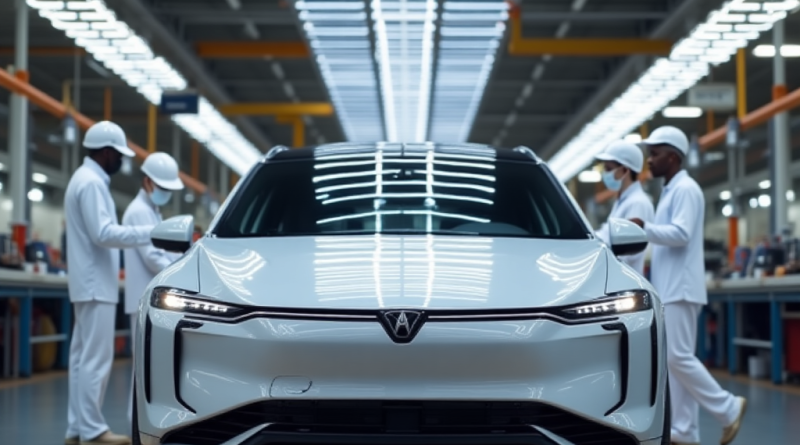
China Powers Up Nigeria with New EV Manufacturing Move
From Rust to Recharge: A New Chapter in Nigeria’s Industrial Story
Not long ago, in a dusty industrial corner of Lagos, stood a neglected auto assembly plant that had seen better days. Rusted metal, idle machinery and echoes of a once-promising automotive dream haunted the site. But change came silently. One morning, the hum of activity returned. Construction crews began moving in. Shipments of unfamiliar parts started to arrive. And soon, banners in Mandarin fluttered in the tropical breeze, announcing a groundbreaking partnership.
China had arrived. But this was no ordinary foreign investment. This time, it was electric.
What is unfolding now across Nigeria is not just an industrial upgrade. It is a transformative leap into the electric vehicle revolution. At the heart of it is a bold move by Chinese companies to set up EV manufacturing hubs on Nigerian soil, lighting the spark for what could become Africa’s next green powerhouse.
Read More: Healing in the Digital Age: When AI Listens and Humans Heal
Why Nigeria and Why Now?
China’s interest in Nigeria is not accidental. Nigeria is the most populous country in Africa, with a growing middle class, urban sprawl and a desperate need for cleaner, more sustainable transportation options. For years, Lagos and Abuja have battled traffic congestion, rising fuel costs and carbon emissions. Electric vehicles offer a way out.
On the other side of the globe, China has rapidly emerged as the global leader in EV technology. Homegrown brands like BYD and NIO are now competing with Tesla, while its supply chain dominates the production of batteries, motors and charging infrastructure. Yet, domestic saturation and global ambitions are pushing Chinese EV giants to look outward.
Nigeria presents a win-win scenario. With its youthful population, natural resource base and strategic access to West African markets, it is the perfect launchpad for a new green industrial age.
Inside the Deal: What China Brings to the Table
Several Chinese firms, in collaboration with Nigerian partners, have announced plans to establish electric vehicle assembly lines in cities like Lagos, Ogun and Enugu. These plants will focus on both passenger and commercial vehicles. The investments come with key components:
- Technology Transfer: Chinese companies are not just exporting products. They are training Nigerian engineers, sharing designs and helping build a local EV ecosystem.
- Battery Innovation: Given Nigeria’s mining potential, especially in lithium-rich regions, discussions are already underway about local battery production.
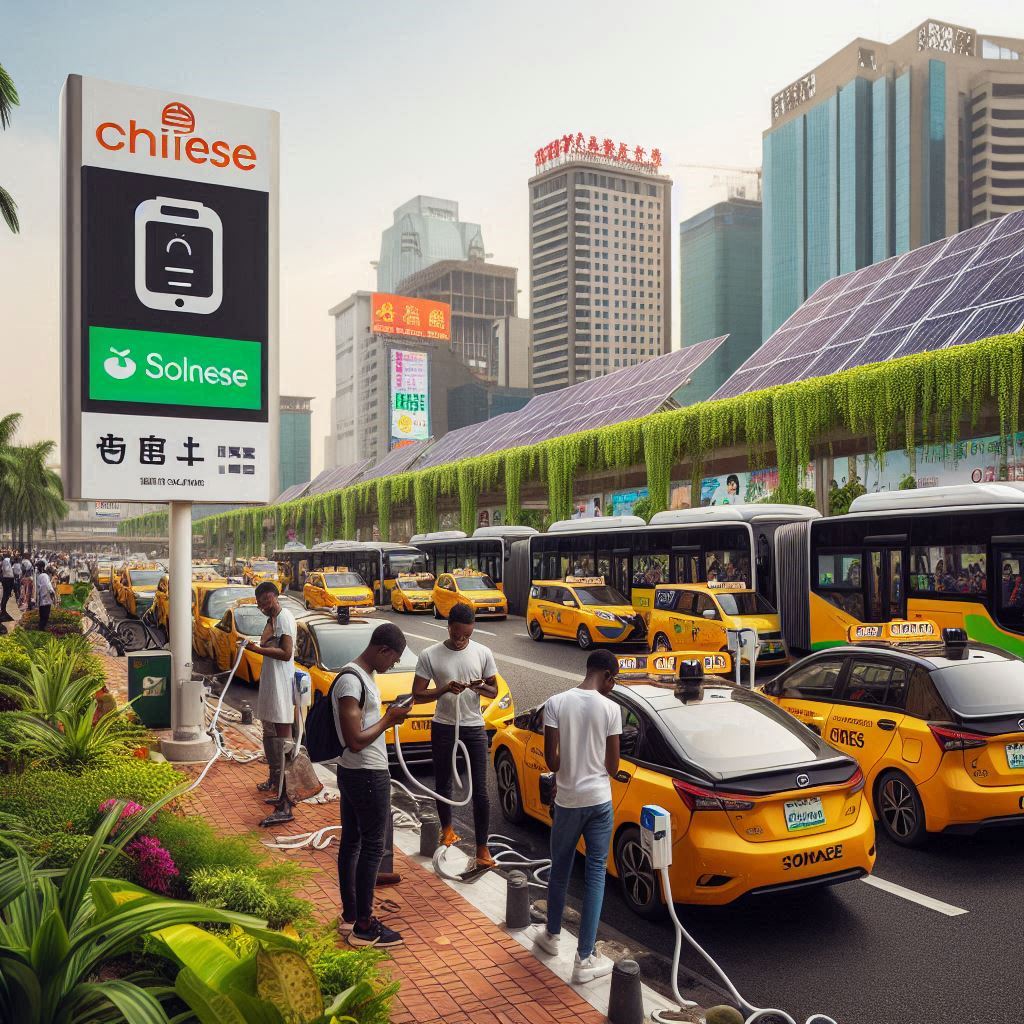
- Charging Infrastructure: Alongside vehicle assembly, China is laying the foundation for Nigeria’s EV grid, installing charging stations in urban centers and along key transport corridors.
- Job Creation: Thousands of jobs are expected to be created, from factory work to EV maintenance and support services.
Challenges on the Road Ahead
As promising as this venture sounds, it comes with real challenges. Nigeria’s power supply remains erratic, which could limit the usability of electric vehicles. Poor road infrastructure and inconsistent policies have historically deterred industrial growth.
But this time feels different. The Nigerian government has begun offering tax incentives and streamlined regulations for EV investors. There is also growing public awareness about the environmental benefits of electric mobility.
If managed well, the synergy between Chinese capital and Nigerian energy could overcome these hurdles.
What Does This Mean for the Average Nigerian?
Imagine boarding an electric bus in Abuja that is quiet, smooth and does not belch black smoke. Picture ride-hailing apps offering EV-only options at cheaper rates. Envision mechanic shops offering training for battery diagnostics instead of oil changes.
This is not just about vehicles. It is about a future economy where Nigerians design, build and service the green machines of tomorrow. It is about affordable transport that does not cost the planet.
Read More: The 6G Revolution Is Coming – But Who’s Really Pulling the Strings Behind Our Hyperconnected Future?
A Glimpse Into the Future
What began as a quiet revival of abandoned factories is now turning into a full-blown movement. Already, pilot projects are rolling out electric taxis in Lagos. Nigerian universities are partnering with Chinese institutes for EV research. Private investors are launching charging startups.
As more Chinese companies enter the Nigerian market, expect faster rollout, better pricing and a stronger supply chain. If successful, Nigeria could become the EV hub of Africa, exporting not just vehicles but also the vision of a cleaner, smarter continent.
Frequently Asked Questions
1. Are Chinese electric vehicles reliable for Nigerian roads?
Yes, Chinese EVs are being customized for Nigerian conditions. Many are designed to handle rough terrain and long-distance travel. Plus, ongoing field tests ensure they meet local standards.
2. Will these vehicles be affordable for everyday Nigerians?
The goal is to produce affordable EVs by assembling them locally. As production scales up and subsidies kick in, prices are expected to become more competitive.
3. How will EVs be charged in areas with poor electricity supply?
Innovative solutions are being explored, including solar-powered charging stations and battery swap systems. Some companies are also developing off-grid microgrids.
4. Is this move sustainable for the Nigerian economy?
Absolutely. The investment supports local jobs, reduces fuel imports and opens up opportunities in tech and green energy sectors.
5. When will we see mass adoption of EVs in Nigeria?
The next five years are critical. Early adoption will depend on incentives, infrastructure and public trust. But signs are pointing in the right direction.
Conclusion: The Road to an Electric Tomorrow
Nigeria is at a turning point. The electric vehicle revolution is no longer a distant dream reserved for the West or Asia. It is starting here, with the hum of machines and the vision of a cleaner future.
China’s involvement marks a new chapter in Sino-African cooperation. This is not about dependency. It is about mutual progress. As factories light up and streets get quieter with electric motion, one thing is clear — Nigeria is ready to power forward.
In the story of global transformation, Africa is no longer just a spectator. With China as a partner and vision as its fuel, Nigeria is driving straight into the future.


Pingback: Top 10 Tech Venture Capital in Nigeria - Newline Tech