
How Spotify Uses Machine Learning to Deliver Personalized Music Experiences
Introduction
Think about the last time you opened a music app and instantly found a song you loved. It might have felt like the platform could read your mind. In reality, it was not magic. It was machine learning working behind the scenes.
Music discovery used to depend on radio stations, charts, or recommendations from friends. Today, it is driven by data and intelligent systems that understand your taste better with every click.
At the center of this transformation is Spotify, a platform that has mastered the art of personalization using advanced machine learning techniques.
Understanding Machine Learning in Music Streaming
Machine learning is a branch of Artificial Intelligence that enables systems to learn from data and improve over time.
In the case of Spotify, it analyzes user behavior such as listening history, skipped tracks, search queries, and playlist interactions.
This data helps the platform identify patterns and predict what users are likely to enjoy. Instead of offering generic recommendations, it delivers highly personalized music experiences.
The more you interact with the app, the better it becomes at understanding your preferences.
How Spotify’s Recommendation System Works
Spotify uses a combination of algorithms and data analysis to recommend songs.
One approach is collaborative filtering, where the system compares your listening habits with those of other users who have similar tastes.
Another method involves content-based filtering, which analyzes the characteristics of songs, such as tempo, genre, and mood.
The platform also uses natural language processing to understand music-related content on the internet, including reviews and metadata.
These techniques work together to create a personalized experience for each user.
Read More: How ByteDance Turned TikTok Into One of the World’s Fastest-Growing Apps
Table: Personalized Recommendations vs Traditional Music Discovery
| Method | Key Difference |
|---|---|
| Spotify Machine Learning | Data-driven personalized suggestions |
| Traditional Discovery | Radio and manual recommendations |
| Spotify Machine Learning | Continuous learning from user behavior |
| Traditional Discovery | Limited personalization |

Read More: How NVIDIA Emerged as the Most Critical Hardware Company Powering the AI Revolution
Key Features Powered by Machine Learning
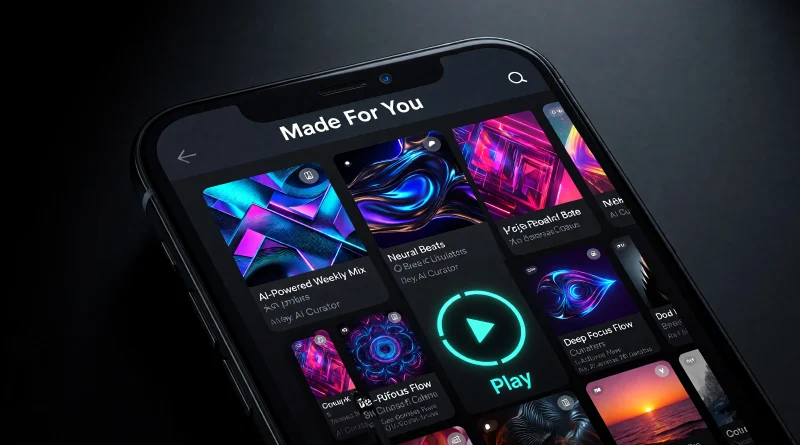
One of the most popular features of Spotify is personalized playlists. These include daily mixes and weekly discovery playlists that introduce users to new songs.
Another feature is smart search, which suggests music based on user preferences and trends.
The platform also adapts its homepage to reflect listening habits, making it easier to find relevant content.
Additionally, it uses machine learning to improve audio recommendations based on mood and context, such as workouts or relaxation.
These features make the listening experience more engaging and enjoyable.
Real World Impact on Users and Artists
For users, machine learning makes music discovery effortless. They can find new songs and artists without actively searching.
For artists, it creates opportunities to reach the right audience. Songs can gain popularity quickly if they match listener preferences.
Spotify also helps smaller artists gain visibility through algorithm-driven recommendations.
This has changed how music is promoted and consumed globally.
Competitive Advantage in the Streaming Industry
Personalization gives Spotify a strong competitive edge.
By delivering relevant content, the platform keeps users engaged for longer periods.
This increases user satisfaction and retention.
It also sets a high standard for other streaming services, pushing the industry toward more advanced recommendation systems.
The Future of Music Personalization
The future of music streaming is closely tied to advancements in Artificial Intelligence.
Spotify is expected to refine its algorithms further, offering even more accurate and context-aware recommendations.
Future systems may consider factors like location, time of day, and user activity to enhance personalization.
We may also see deeper integration of AI-generated music and interactive listening experiences.
As technology evolves, music discovery will become even more intuitive and immersive.
Read More: Inside Microsoft’s Strategic Shift to Cloud Computing and Its Business Impact
Frequently Asked Questions
How does Spotify know what music I like?
Spotify analyzes your listening behavior, including songs you play, skip, and save.
What is machine learning in Spotify?
It is the use of AI algorithms to learn from user data and improve music recommendations over time.
Can Spotify recommend new artists?
Yes, it introduces users to new artists based on their listening patterns.
Does Spotify share the same recommendations for everyone?
No, each user receives personalized recommendations based on their unique behavior.
Conclusion
Spotify has transformed music streaming by using machine learning to deliver personalized experiences.
By analyzing user data and applying advanced algorithms, the platform makes music discovery easier and more enjoyable.
This approach not only benefits listeners but also helps artists reach the right audience.
As machine learning continues to evolve, the future of music personalization will become even more intelligent, creating richer and more engaging listening experiences.


Pingback: Understanding the Business Model Powering Cloud Giants Like AWS, Azure, and Google Cloud - Latest AI/Tech Info