

AI in Climate Change: Tackling Environmental Challenges
The Climate Crisis and the Role of AI
Climate change is arguably one of the most pressing challenges humanity has ever faced. Extreme weather events, rising sea levels, diminishing biodiversity, and changes in ecosystems are already beginning to disrupt the delicate balance of our planet. The United Nations has warned that the window for mitigating the worst effects of climate change is rapidly closing. Global temperatures continue to rise, and the resulting environmental impact poses risks to everything from food security to human health.
In the face of these overwhelming challenges, one of the most exciting and promising tools we have in our fight against climate change is artificial intelligence (AI). While AI is often associated with technology, automation, and data processing, its potential to drive sustainable practices and solutions for the climate crisis is nothing short of revolutionary. From optimizing energy use to predicting environmental changes, AI is being harnessed in creative and innovative ways to tackle environmental challenges head-on.
In this article, we’ll explore how AI is being used to fight climate change, the breakthroughs that have already been made, and how AI could be the key to creating a more sustainable future for generations to come. Let’s dive into the world of AI-driven climate solutions and discover how this technology is reshaping the fight for our planet’s future.
1. AI and Renewable Energy: Powering a Sustainable Future
The transition from fossil fuels to renewable energy sources is critical for reducing global carbon emissions and mitigating climate change. However, integrating renewable energy sources such as solar, wind, and hydroelectric power into the global grid presents numerous challenges, especially when it comes to optimizing energy generation and storage.
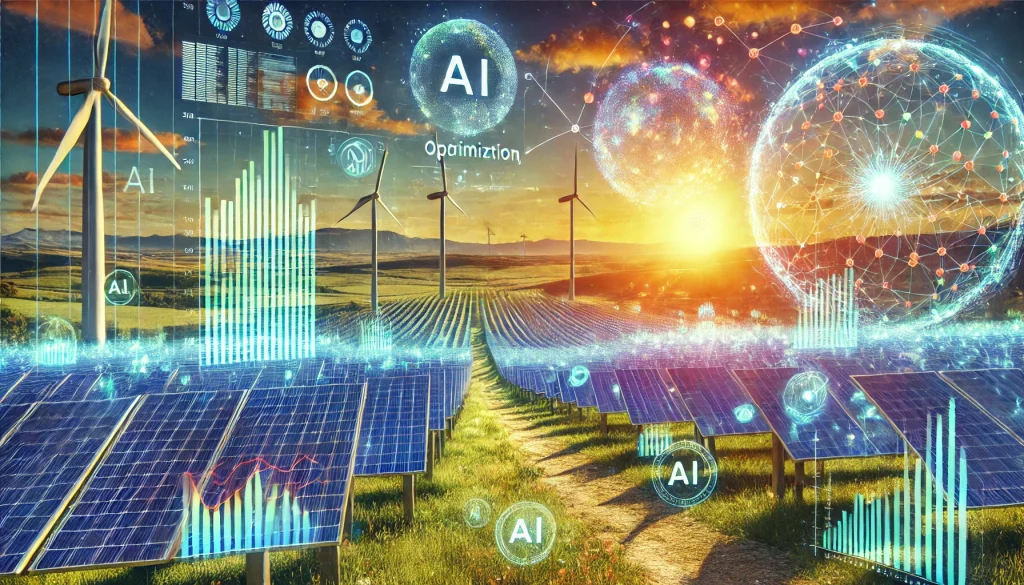
AI is playing a key role in enhancing renewable energy systems. Through the use of advanced machine learning algorithms and predictive analytics, AI helps optimize energy production, storage, and distribution.
AI in Solar and Wind Energy
One of the most significant areas where AI is making a difference is in the optimization of solar and wind energy generation. Solar and wind power depend heavily on external factors like sunlight and wind patterns, which can fluctuate throughout the day and year. This unpredictability can make it difficult to balance supply and demand.
AI-driven systems can help forecast these variables by analyzing large datasets of weather patterns, energy consumption trends, and grid behavior. For instance, Google’s DeepMind has already applied AI to predict energy output from wind farms with greater accuracy, which can help grid operators better balance energy production and reduce reliance on fossil fuels.
Similarly, AI can optimize solar panel placement by analyzing weather data and geographical factors to maximize sunlight absorption. AI can even monitor the performance of individual solar panels, predicting maintenance needs and ensuring that panels are always operating at peak efficiency.
AI for Energy Storage and Smart Grids
Another major challenge with renewable energy is the storage of surplus energy for times when energy production is low, such as on cloudy days or calm nights. Here, AI is playing a pivotal role in energy storage systems, including the development of advanced batteries. AI algorithms can predict energy consumption patterns and adjust storage strategies to ensure that excess energy is stored efficiently for later use.
Moreover, smart grids powered by AI can facilitate the seamless integration of renewable energy into the grid, dynamically adjusting the flow of electricity to meet demand in real time. Smart grids can also reduce energy wastage by identifying inefficiencies and optimizing distribution based on usage patterns, thus significantly lowering overall carbon footprints.
2. AI for Carbon Capture and Climate Monitoring
The need for effective carbon capture technologies is more urgent than ever. The amount of CO2 in the atmosphere continues to rise, contributing to the greenhouse effect and global warming. AI is being used to advance carbon capture technologies and improve climate monitoring systems that track carbon emissions and pollution in real time.
AI in Carbon Capture Technology
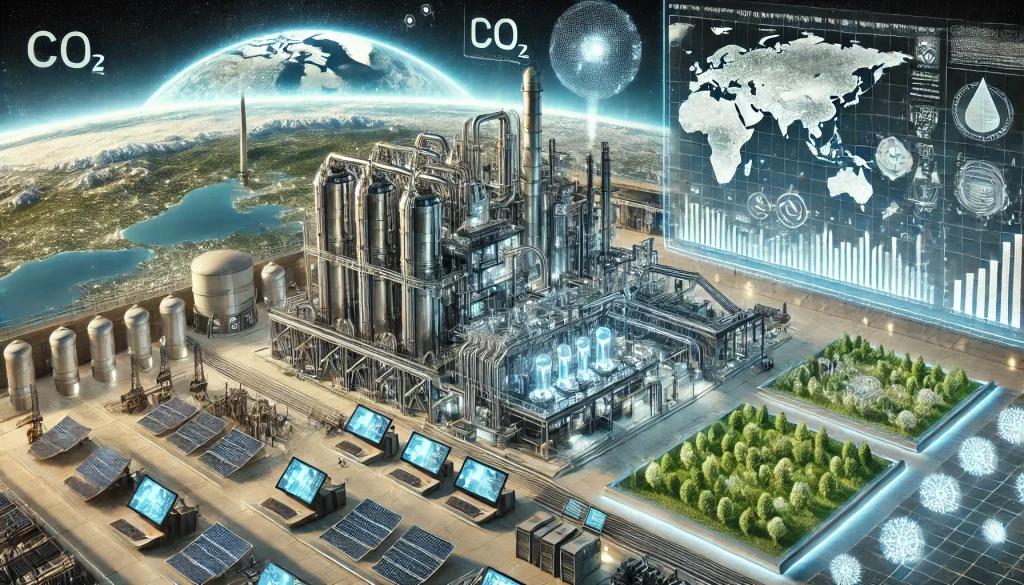
AI-powered systems are enhancing carbon capture technologies by improving the efficiency and accuracy of processes designed to remove CO2 from the atmosphere. For example, AI can help monitor and optimize chemical processes used in carbon capture, ensuring that carbon dioxide is efficiently absorbed and stored in a way that prevents its release back into the environment.
Furthermore, AI systems can improve the design of carbon capture facilities, optimizing energy consumption and ensuring that operations are as efficient and cost-effective as possible. By analyzing vast datasets from multiple carbon capture sites, AI can identify patterns and insights that humans might miss, driving innovation in this critical field.
AI for Climate Change Monitoring
AI is also transforming how we monitor the environment. Satellite imagery, sensors, and data from environmental sensors are being analyzed by AI systems to track emissions, deforestation, ice melt, and other critical environmental changes. Machine learning models can process huge volumes of environmental data, allowing scientists to better understand how climate change is impacting ecosystems and helping policymakers make informed decisions about climate action.
For instance, AI-powered satellites are being used to monitor deforestation in real-time, offering immediate feedback to governments and organizations that are trying to curb illegal logging activities. AI can also be applied to monitor air quality in urban areas, providing data on pollution levels that can inform public health policies and mitigation strategies.
3. AI in Agriculture: Combatting Climate Change Through Sustainable Practices
Agriculture is both a contributor to and a victim of climate change. The agriculture industry accounts for a significant portion of global greenhouse gas emissions, yet it is also highly vulnerable to the impacts of changing weather patterns, extreme droughts, and floods. AI is helping transform agriculture to become more sustainable and resilient to climate change.
AI for Precision Agriculture
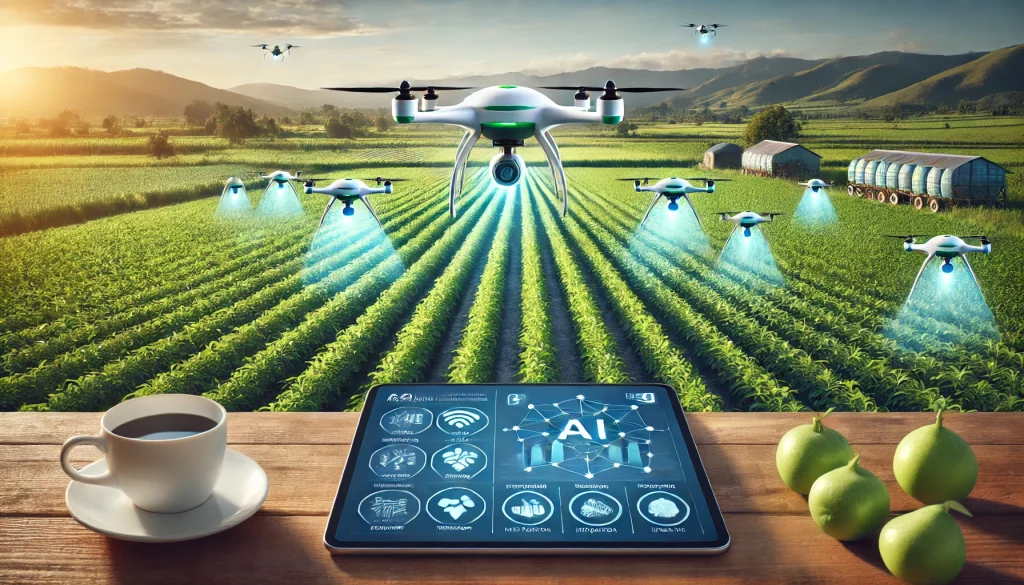
AI applications in precision agriculture are revolutionizing how farmers manage crops, conserve resources, and reduce emissions. By using AI-powered drones and sensors, farmers can gather real-time data on soil health, crop growth, and water usage. AI algorithms can then analyze this data to optimize irrigation, fertilization, and pesticide use.
For example, IBM’s Watson Decision Platform for Agriculture uses AI to provide farmers with insights into weather patterns, crop conditions, and potential threats to crop yields. This allows farmers to make data-driven decisions that reduce waste and environmental impact while maximizing crop productivity.
AI and Sustainable Food Production
In addition to optimizing farming practices, AI is also being used to develop more sustainable food systems. AI-driven technologies can help reduce food waste by predicting demand and optimizing supply chains. Machine learning algorithms can forecast food consumption patterns, helping producers and retailers reduce overproduction and minimize waste.
Moreover, AI is helping improve the development of alternative proteins such as plant-based and lab-grown meat, which have a lower environmental footprint than traditional livestock farming. By automating research and development processes, AI can help speed up the production of these sustainable food sources.
4. AI in Environmental Policy and Advocacy
As governments and organizations around the world work to combat climate change, AI is playing a crucial role in shaping policies and driving climate advocacy efforts.
AI for Policy Analysis and Simulation
AI is being used to simulate the potential effects of different climate policies. By running millions of simulations, AI can predict how specific interventions—such as carbon taxes, emission reductions, or renewable energy incentives—will impact global temperatures, economies, and societies. This enables policymakers to make more informed decisions and take proactive steps toward mitigating climate change.
For instance, the Climate Policy Initiative uses AI to model the financial and economic impacts of climate policies, providing crucial data that can guide investment and regulatory decisions. By analyzing vast datasets from across the world, AI helps highlight which policies are most effective at reducing emissions and achieving climate goals.
AI in Climate Advocacy
AI is also enabling environmental organizations to advocate more effectively for climate action. By using AI to analyze climate data and track environmental trends, organizations can create compelling narratives and campaigns that drive public awareness and influence policy. Social media algorithms, powered by AI, are also being leveraged to spread messages about the importance of climate change action to a global audience.
5. Challenges and Ethical Considerations
While AI offers immense potential to combat climate change, it’s important to recognize the challenges and ethical considerations associated with its implementation.
Data Privacy and Security
AI-driven climate solutions often rely on large datasets, which can include sensitive information about individuals, industries, and governments. Ensuring that data is secure and used responsibly is essential to prevent misuse and safeguard privacy.
AI’s Environmental Footprint
AI itself can have a significant environmental impact. Training advanced AI models requires massive amounts of computational power, which can consume substantial energy and contribute to emissions. As AI adoption grows, it will be important to ensure that these technologies are designed in ways that are energy-efficient and sustainable.
Conclusion: The Future of AI and Climate Change
The intersection of AI and climate change represents a promising frontier in the fight to protect our planet. From optimizing energy systems and advancing carbon capture technologies to transforming agriculture and shaping policy, AI has the potential to drive meaningful change. While challenges remain, the role of AI in combating climate change is undeniable, and the technology will continue to evolve, providing new tools to address environmental challenges and create a sustainable future for generations to come.
Join the Movement for a Sustainable Future
AI is one of the most powerful tools we have in the fight against climate change, but its success depends on the collective efforts of individuals, businesses, and governments. Stay informed about the latest innovations in AI and climate change, and consider supporting initiatives that use AI to drive sustainability. Whether you’re a policymaker, researcher, or concerned citizen, now is the time to act. Together, we can leverage the power of AI to tackle climate change and build a more sustainable world for future generations.



Pingback: Who Is a Data Scientist – And Why Are They in Such High Demand? - Newline Tech