

The Untold Drama Behind the Making of Facebook
From Dorm Room to Courtroom: The Wild Birth of Facebook
In February 2004, a quiet but brilliant Harvard student launched what would eventually become the most influential social media platform in the world. But behind the blue-and-white interface that billions casually scroll through each day lies a web of ambition, betrayal, broken friendships, and legal battles that Hollywood only scratched the surface of. This is not just a tale about building a website. It’s the behind-the-scenes drama of how Facebook rose from a college project to a global empire.
Let’s step into the halls of Harvard where it all began. The night was cold, and the windows of Kirkland House flickered with the glow of laptop screens. Inside one of those rooms, Mark Zuckerberg typed away. Fueled by caffeine, curiosity, and a controversial blog post, he had just created a site called Facemash, allowing students to rate their classmates based on looks. Within hours, the site went viral and was promptly shut down by the university.
But the fire was lit. And Zuckerberg wasn’t going to stop there.
The Spark That Ignited a Digital Revolution
Following the backlash from Facemash, Mark’s reputation as a coding genius spread across campus. Not long after, three upperclassmen—Cameron and Tyler Winklevoss and Divya Narendra—approached him with an idea. They wanted his help in building a social network exclusively for Harvard students, called HarvardConnection.com.
Zuckerberg agreed to work with them. At least, that’s what they believed.
While supposedly collaborating with the trio, Zuckerberg quietly registered thefacebook.com, and just a few weeks later, he launched it. The timing was suspicious. The features were similar. And the Winklevoss twins were furious.
What followed was a flurry of emails, ignored messages, and rising tension that would eventually boil over into one of Silicon Valley’s most famous lawsuits.
Read More: Neural Implants: Upgrading the Human Brain
Betrayals and Breakthroughs
As The Facebook gained popularity across Ivy League campuses, Zuckerberg’s world grew rapidly. He brought on his friend Eduardo Saverin as co-founder and CFO. Saverin provided the initial funds, acting as the financial backbone during the platform’s early stages.
But when tech entrepreneur Sean Parker—co-founder of Napster entered the scene, the dynamic shifted. Parker saw Facebook not just as a college network but as the future of online interaction. With Parker’s vision and charisma, Facebook attracted attention from major Silicon Valley investors. And Saverin? He found himself slowly edged out.
In a stunning turn, Saverin’s shares in the company were diluted. His name was erased from the masthead. Feeling betrayed, he filed a lawsuit. Zuckerberg countered. Both cases were eventually settled, and Saverin’s name was restored as a co-founder. But their friendship never recovered.
Courtrooms and Settlements
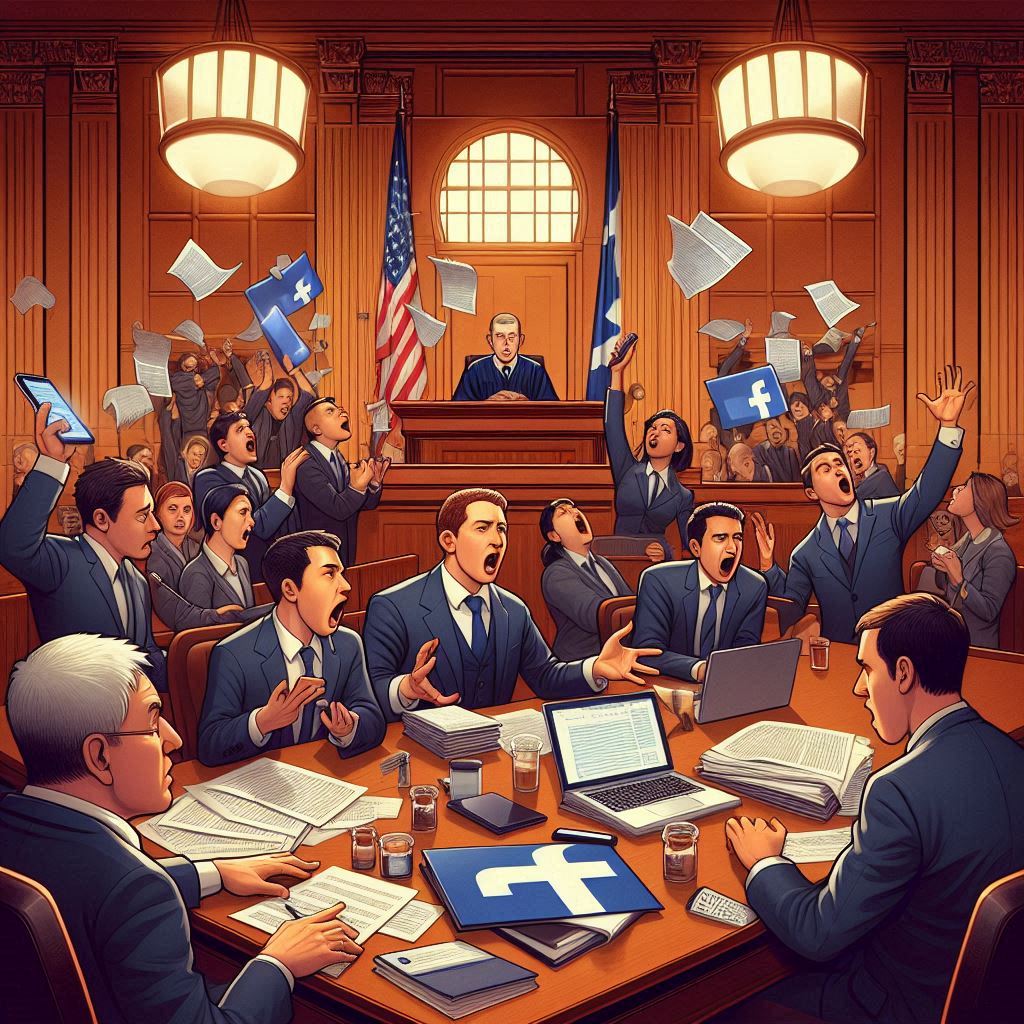
Meanwhile, the Winklevoss twins and Divya Narendra took Zuckerberg to court, accusing him of stealing their idea. The case became a media frenzy, and the stakes were high. In 2008, Facebook agreed to a $65 million settlement, though the twins later tried to renegotiate, claiming the true value of Facebook had been misrepresented.
Even after the payout, controversy followed Zuckerberg. Internal emails revealed ruthless tactics. Critics accused him of pushing ethical boundaries in pursuit of success. And yet, despite the legal storms, Facebook only continued to grow.
Growth, Power, and the Changing Face of Facebook
After the legal dust settled, Zuckerberg focused on expanding Facebook beyond universities. The platform opened up to the general public, introduced the News Feed, and began acquiring other companies like Instagram and WhatsApp. It transformed into a digital giant that reshaped global communication, marketing, politics, and even human behavior.
But the story of Facebook’s creation reminds us that innovation often comes with shadows. The friendly thumbs-up symbol hides years of struggle, strategic moves, and personal costs.
Read More: Meet the Top Ten Greatest Tech Inventors
Frequently Asked Questions
1. Who actually created Facebook?
Mark Zuckerberg is the main founder of Facebook, but the platform’s history involves others like Eduardo Saverin, Dustin Moskovitz, Chris Hughes, and controversies with the Winklevoss twins and Divya Narendra.
2. What happened to Eduardo Saverin?
Saverin’s shares were diluted, leading to a legal battle. He eventually received a settlement and is still listed as a co-founder. He later renounced his U.S. citizenship and moved to Singapore.
3. Did Zuckerberg steal the idea of Facebook?
This remains a debated topic. The Winklevoss twins claimed Zuckerberg stole their idea, leading to a legal settlement. Zuckerberg has always denied the accusations.
4. Was the movie The Social Network accurate?
The film dramatized many events but is based on real legal disputes and personal conflicts. It highlights the core tensions that marked Facebook’s early years.
5. How did Facebook become so successful?
Its success stemmed from strategic growth, investor backing, clean interface, and timely expansion. Zuckerberg’s willingness to take bold risks and align with the right people also played a huge role.
Conclusion: A Cautionary Tech Tale
The birth of Facebook is not just a tech success story. It is a modern-day drama packed with ambition, rivalry, and betrayal. While billions connect and share through Facebook each day, few realize the stormy road that led to its creation.
Understanding this history reminds us that the digital world we live in is built on human choices—sometimes bold, sometimes controversial, but always driven by a hunger for innovation. The untold drama behind Facebook’s creation is more than just gossip. It is a powerful reflection of the price of building something truly revolutionary.