

Rebuilding Nature with Tech: Can AI Help Restore Earth?
Introduction
On a misty morning in Costa Rica’s highlands, a small team of conservationists watched a drone hover over a once‑barren forest. Below it, dozens of seed pods fell gently to the ground. Each pod carried a tiny tree embryo wrapped in a nutrient gel. Weeks later, tiny saplings pushed through the soil. The forest was coming back to life. Behind this simple act lay powerful artificial intelligence. AI had studied maps, soil moisture, and weather patterns to pick the best time and place to plant. This moment marked a new era, one where technology joins hands with nature to heal the planet.
Why Restoration Matters
We lose nearly 10 million hectares of forest each year. Drained wetlands leave coastlines unprotected. Warming seas bleach coral reefs. These losses harm the air we breathe, the water we drink, and the climate we depend on. Restoring nature helps clean our air, store carbon, and protect against storms. It also brings back wildlife and boosts local economies.

Read More: Biotech Breakthroughs – The Human Genome Project
How AI Boosts Restoration
Smart Site Selection
AI reviews satellite images, soil data, and rain forecasts. It then spots the best planting spots. This cuts waste and raises survival rates.
Drone‑Powered Seeding
Drones follow AI‑made maps to drop seed pods exactly where they’ll thrive. They avoid rocky ground and aim for moist soil. This method is faster and cheaper than hand planting.
Rebuilding Coral Reefs
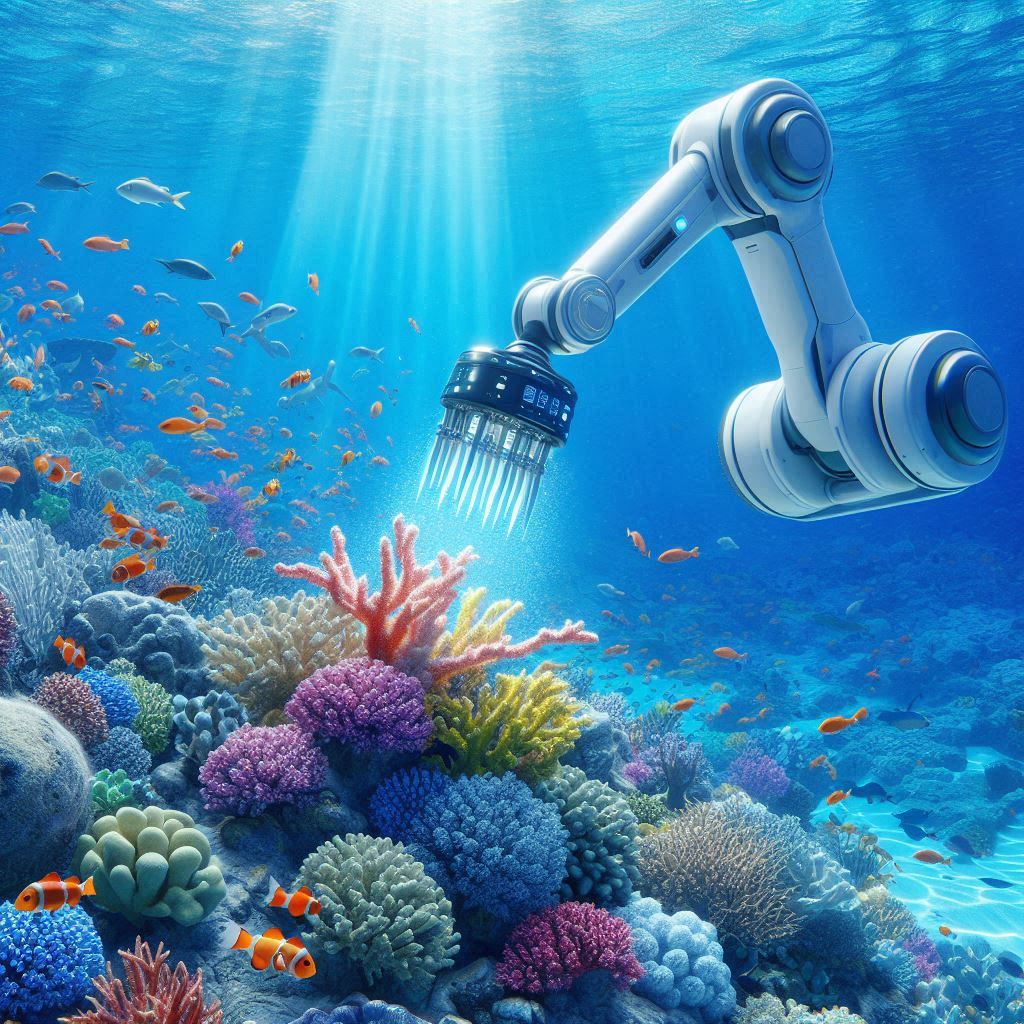
Underwater robots map reef damage in 3D. AI pinpoints the healthiest reef patches to restore first. Robotic arms plant coral fragments, and AI tracks their growth over time.
Protecting Wildlife
Microphones in forests record bird and frog calls. AI identifies each species from their sounds. Rangers use alerts to stop poachers and check on endangered animals.
Case Study: The Great Green Wall
In Africa’s Sahel, the Great Green Wall project aims to restore 100 million hectares. AI‑driven soil sensors and weather models helped local teams plant at the right moments. Seedling survival rose by 40 percent compared to older methods.
Involving Local Communities
Tech works best with people on the ground. Simple apps let farmers log sightings of plants and animals. AI dashboards show when to plant or weed. This mix of local wisdom and AI keeps projects sustainable.
Challenges to Watch
AI needs good data, but remote areas can lack sensors. Models must adapt to each ecosystem. And technology should never replace traditional knowledge. Clear data‑sharing rules and fair access are key.
Read More: How to Become a Successful UI/UX Designer in Nigeria
Frequently Asked Questions
What makes AI different from old‑school methods?
Traditional methods rely on manual surveys and trial plans. AI uses real‑time data to predict when and where plants will thrive.
Can AI fight climate change?
Indirectly. Restored forests and wetlands capture carbon. Healthy ecosystems also reduce flood and heat risks.
Will AI replace human experts?
No. AI speeds up analysis and cuts mistakes, but local experts guide on‑site decisions.
How widely can AI scale?
As sensors and drones get cheaper, AI projects can cover hundreds of thousands of hectares. Open‑source tools and community training help spread the technology.
Is it expensive?
Startup costs cover hardware and data. But higher success rates and lower labor can make it more cost‑effective in the long run.
Conclusion
AI is no silver bullet, but it is a powerful ally. From drones sowing seeds in cleared hillsides to robots replanting coral reefs, smart technology can speed up Earth’s recovery. When communities and AI work together, we can rebuild forests, wetlands, and wildlife habitats at a global scale. The future of restoration lies in this partnership, uniting human wisdom with machine precision to heal our planet.