
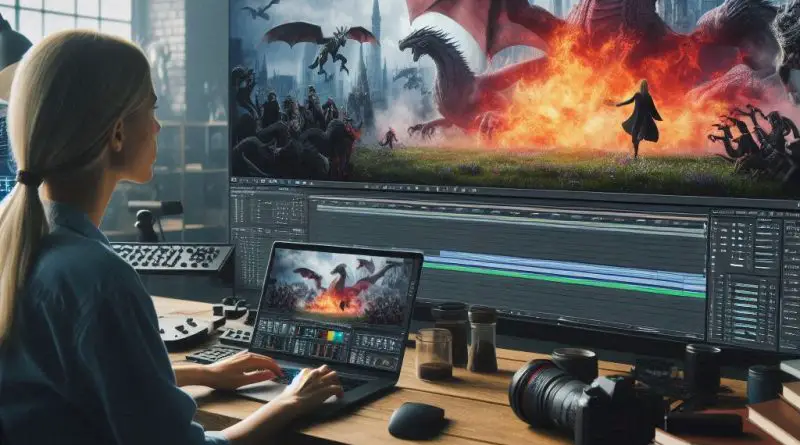
The Next Oscar Winner Might Thank an Algorithm Not a Human
Under the silver glow of a projector light, Sofia hovered over a storyboard filled with sketches of sweeping landscapes and fierce battles. She had poured months of effort into this epic tale but felt stuck on how to bring a mythical creature to life. Late one evening, a friend introduced her to a new collaborator unlike any other: artificial intelligence. At first Sofia was wary of trusting her vision to lines of code. Yet as dawn broke, she watched in awe as AI transformed rough sketches into moving footage that pulsed with emotion. In that small studio Sofia glimpsed the future of storytelling and knew there was no turning back.
Read More: I Tried Microsoft Bing Image Creator and What Happened Next Was Pure Magic
What Is AI in Filmmaking
Artificial intelligence refers to computer systems that learn patterns from data and then generate new content or make decisions. In the context of filmmaking it can assist with visual effects, scriptwriting support, sound design, editing tasks and much more. By analyzing vast libraries of footage and scripts AI tools can offer suggestions, speed up production and even inspire fresh creative ideas.
Key Ways AI Transforms Film Production
- Script Development Support
AI can scan existing scripts and suggest new dialogue or plot twists. It can highlight pacing issues and flag moments that might confuse audiences. - Automated Visual Effects
By learning from thousands of examples AI can generate realistic backgrounds, enhance lighting, or insert digital characters seamlessly. What once took days of manual work now completes in hours. - Intelligent Editing
AI tools can identify the best takes, suggest cuts based on emotion and rhythm, and compile rough assemblies that editors refine. This speeds up the postproduction workflow. - Sound Design Assistance
From crafting ambient soundscapes to cleaning up dialogue tracks AI helps audio teams focus on creative choices rather than tedious tasks. - Personalized Marketing
AI analyzes audience data to craft trailers, posters and social campaigns that resonate with target viewers. This can boost engagement long before release day.
Read More: How to Become an Expert in Cybersecurity
Real World Examples
In a recent fantasy feature a small team used AI to animate flying creatures in half the time of traditional methods. A documentary filmmaker employed AI transcription and sentiment analysis to reveal key themes in hours rather than days. Even major studios test AI driven scene planning tools to visualize camera angles before stepping onto set. These stories show that AI is not replacing artists but empowering them.
Challenges and Ethical Considerations
AI in filmmaking brings incredible potential yet also raises questions. Who owns a scene generated by a neural network trained on existing films? How do artists maintain control over the creative process? There are concerns about bias in training data and the risk of overreliance on machine suggestions. Filmmakers must balance innovation with strong ethical guidelines.
Future Outlook
As AI tools become more user friendly and affordable indie creators will gain access to capabilities once reserved for major studios. We may see interactive films that adapt in real time to audience reactions or completely new forms of visual storytelling. Above all AI will serve as a creative partner that learns from each project and helps filmmakers realize bold new visions.
Read More: What is the free AI tool to create video from script?
Frequently Asked Questions
What skills do filmmakers need to work with AI tools?
Basic understanding of data and software helps but many AI solutions offer intuitive interfaces. Strong storytelling fundamentals remain essential.
Will AI replace human editors and artists?
Most experts agree AI will augment rather than replace creative professionals. Human judgment and emotional insight remain irreplaceable.
How can I start experimenting with AI in my own projects?
Explore free online platforms that offer AI driven editing or visual effect demos. Join filmmaker communities to share tips and resources.
Are there affordable AI solutions for independent creators?
Yes many startup tools provide tiered pricing or free trials. Open source libraries also offer powerful capabilities.
Conclusion
Artificial intelligence is opening new doors for filmmakers at every level. From script development to final cut AI tools can enhance creativity, streamline workflows and unlock ideas that once lived only in the imagination. By embracing these technologies responsibly artists can tell richer stories faster and reach audiences in fresh ways. The future of film belongs to storytellers who blend human passion with machine intelligence to craft unforgettable cinematic experiences.



Pingback: Genius Inventions the World is Not Yet Ready For - Newline Tech