

The Digital Music Revolution – From Vinyl to Spotify
Introduction: The Sound of Change
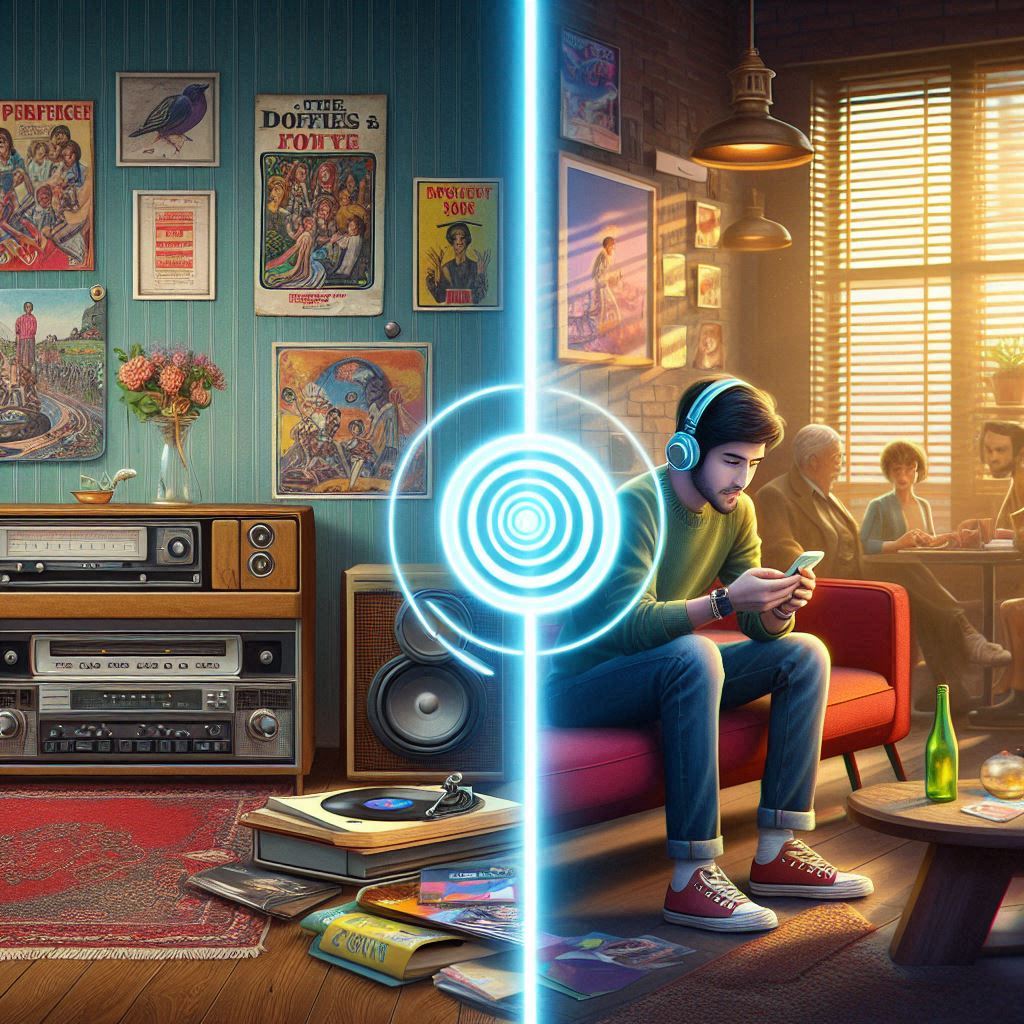
Imagine a teenager in the 1970s carefully sliding a vinyl record out of its sleeve, placing it on a turntable, and lowering the needle. The crackle before the music begins is as much a part of the ritual as the sound itself. Fast forward to the 1990s, and another teenager is slipping a shiny compact disc into a portable player, marveling at the crystal-clear sound. Jump again to the 2000s, and music fans are downloading MP3 files, filling their iPods with hundreds of songs. Today, streaming platforms like Spotify have made music available instantly, anytime and anywhere, with no need for physical media at all.
This journey from vinyl to Spotify is not just about technology, it is the story of how we consume, share, and experience music. It reflects cultural shifts, technological innovations, and changing business models that transformed the music industry forever.
Read More: Google VEO 3 A Complete Guide to the Future of AI Video Generation
The Vinyl Era: Where It All Began
Vinyl records were more than just a way to listen to music. They were pieces of art, complete with album covers, lyric sheets, and a tangible connection to artists. Collectors still cherish vinyl because of its warm, analog sound and the physical presence that digital formats can never replace.
Despite their charm, vinyl records were fragile, bulky, and expensive to produce. Still, they defined the way people enjoyed music for decades and shaped the culture of album listening.
The Cassette and CD Revolution
In the 1980s, cassettes brought portability. Suddenly, you could create mixtapes, record radio shows, and carry your favorite songs in your pocket with a Walkman. This shift introduced personalization and made music more social.
Then came CDs in the late 1980s and 1990s. They promised crystal-clear sound quality, durability compared to tapes, and easy skipping between tracks. CDs became the dominant format, driving the music industry to new commercial heights. For many, owning a wall full of CDs was a status symbol of taste and dedication.
The MP3 Era: The Birth of Digital Music
The late 1990s marked a turning point with MP3 technology. Suddenly, music could be compressed into digital files small enough to share online. Napster and other peer-to-peer platforms exploded in popularity, changing the rules of music distribution.
This era sparked both excitement and chaos. Listeners had more freedom, but artists and record labels struggled with piracy and lost revenue. It was a revolution that forced the industry to rethink its future.
Read More: Udio AI Empowering Every Dreamer to Create the Music of Tomorrow
The iPod and the Age of Downloads
Apple’s iPod, launched in 2001, changed everything again. Coupled with iTunes, it allowed users to buy and organize music digitally, legally, and conveniently. The phrase “1,000 songs in your pocket” symbolized a new age of accessibility.
For the first time, consumers could build massive music libraries without shelves or storage boxes. Downloads became the norm, but the model was still transactional, you had to buy each song or album.
The Streaming Era: From Ownership to Access
Spotify, launched in 2008, introduced the idea that music didn’t need to be owned, it could simply be accessed. Streaming was a paradigm shift. Instead of building a library of purchased tracks, listeners could explore endless catalogs for a small monthly fee.
This model democratized music consumption. Independent artists could reach audiences without traditional labels, and fans discovered new genres with personalized playlists and algorithms. The convenience was unmatched, and streaming quickly became the dominant way to experience music.
The Cultural Impact of the Digital Music Revolution
The journey from vinyl to Spotify is not just technological, it has shaped culture:
- Listening habits shifted from albums to playlists.
- Music discovery became algorithm-driven, introducing people to songs they might never have found otherwise.
- Artists gained new opportunities for exposure but also faced challenges with fair compensation.
- Global accessibility made music a borderless language, uniting listeners worldwide.

Read More: The Meteoric Rise of Nvidia
FAQs
Q1: Why do some people still prefer vinyl records?
Many listeners believe vinyl provides a warmer, richer sound compared to digital formats. Vinyl also offers a physical and nostalgic connection that digital music lacks.
Q2: Did streaming completely replace downloads?
While streaming dominates, some still prefer downloads for offline use, higher-quality files, or ownership. However, the market share of downloads has drastically decreased.
Q3: How has streaming impacted musicians?
Streaming platforms provide global reach but have been criticized for low payout rates. While top artists benefit from massive exposure, smaller musicians often struggle to earn sustainable income.
Q4: What is the future of digital music?
The future likely involves more personalization, integration with AI-driven recommendations, immersive formats like spatial audio, and new ways for artists to monetize their work directly with fans.
Conclusion: The Endless Playlist of Tomorrow
The digital music revolution is a story of transformation. From the tactile beauty of vinyl to the boundless libraries of Spotify, each era brought its own magic, challenges, and innovations. What remains constant is humanity’s love for music. Technology will continue to evolve, but the power of a song to move, inspire, and connect people will never change.
As we step into the future, one thing is certain, the soundtrack of our lives will keep playing, just in ever more innovative ways.


Pingback: AI at Work: Copilots & Autonomous Agents - Latest AI/Tech Info