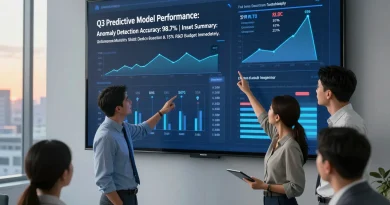

Revolutionize Your Stock: How AI Is Transforming Small Business Inventory Management
Introduction
Imagine a world where stockouts are a distant memory, overstocking is a relic of the past, and your inventory seamlessly adapts to the ever-changing tides of customer demand.
This isn’t a futuristic fantasy; it’s the reality achievable with artificial intelligence (AI) in small business inventory management.
For too long, small businesses have grappled with the complexities of manual inventory tracking, often leading to costly errors and missed opportunities.
But now, AI is leveling the playing field, offering powerful tools that were once the exclusive domain of large corporations.
This article will illuminate how AI can transform your inventory, streamlining operations, reducing costs, and ultimately boosting your bottom line.
Get ready to explore the practical applications of AI and discover how to implement these cutting-edge solutions in your own business.
Step 1: Understanding the Challenges of Traditional Inventory Management
- Manual Errors: Human error is inevitable in manual inventory tracking. This can lead to inaccurate counts, misplaced items, and ultimately, incorrect ordering decisions.
- Time-Consuming Processes: Manually updating inventory records, conducting physical counts, and generating reports takes up valuable time that could be spent on other crucial business activities.
- Lack of Real-Time Visibility: Traditional systems often lack real-time data, making it difficult to respond quickly to changing demand or identify potential stockouts.
- Forecasting Inaccuracies: Relying on historical data alone can lead to inaccurate demand forecasts, resulting in overstocking or understocking.
- Storage and Waste: Overstocking ties up capital and increases storage costs, while understocking leads to lost sales and dissatisfied customers. Perishable goods can expire, generating waste.
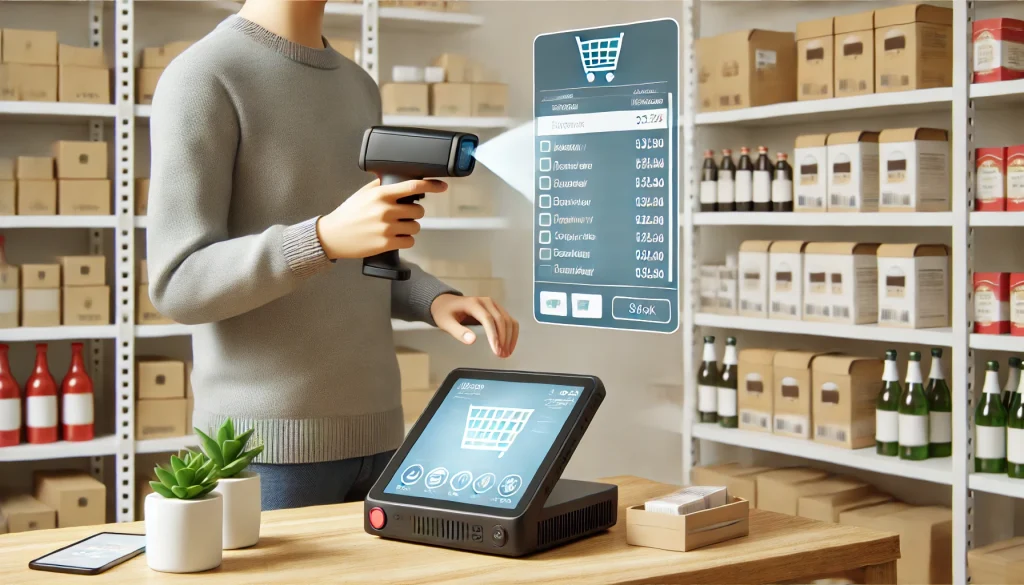
Step 2: Introducing AI-Powered Inventory Management
- What is AI in Inventory Management? AI uses algorithms and machine learning to analyze data, predict trends, and automate tasks. In inventory management, AI can optimize stock levels, forecast demand, and improve overall efficiency.
Key AI Technologies:
- Machine Learning: Algorithms that learn from data to identify patterns and make predictions.
- Predictive Analytics: Using data to forecast future demand and optimize inventory levels.
- Computer Vision: Using cameras and AI to track inventory in real-time.
- Natural Language Processing (NLP): Analyzing customer feedback and social media data to understand demand.
Step 3: Practical Applications of AI in Small Business Inventory Management
Demand Forecasting:
- AI analyzes historical sales data, seasonal trends, and external factors like weather and economic conditions to predict future demand with greater accuracy.
- This allows businesses to optimize stock levels, reduce stockouts, and minimize overstocking.
Automated Stock Replenishment:
- AI can automatically trigger purchase orders when stock levels fall below a predetermined threshold, ensuring that products are always available.
- This eliminates the need for manual monitoring and reduces the risk of stockouts.
Real-Time Inventory Tracking:
- AI-powered systems can track inventory in real-time using RFID tags, barcodes, and computer vision.
- This provides businesses with up-to-date information on stock levels, location, and movement.
Optimized Warehouse Layout:
- AI can analyze data on product popularity and movement to optimize warehouse layout, reducing picking times and improving efficiency.
- This can be especially helpful for businesses with large or complex warehouses.
Anomaly Detection:
- AI can identify unusual patterns in inventory data, such as sudden spikes in demand or unexpected stock discrepancies, alerting businesses to potential issues.
Customer Behavior Analysis:
- AI can analyze customer purchase data to identify trends and preferences, allowing businesses to tailor their inventory to meet customer needs.
Step 4: Implementing AI in Your Small Business
- Start with a Clear Goal: Define your inventory management challenges and identify the specific areas where AI can help.
- Choose the Right AI Tools: Research and select AI-powered inventory management software that meets your business needs and budget.
- Integrate with Existing Systems: Ensure that your AI system integrates seamlessly with your existing point-of-sale (POS) and accounting systems.
- Data Collection and Analysis: Collect accurate and consistent data on inventory levels, sales, and other relevant factors.
- Train Your Staff: Provide your staff with training on how to use the AI system and interpret the data.
- Start Small and Scale: Begin by implementing AI in a specific area of your inventory management and gradually expand as you see results.
- Monitor and Optimize: Continuously monitor the performance of your AI system and make adjustments as needed.
- Consider cloud based systems: cloud based systems often offer more scalable and affordable AI solutions for small businesses.
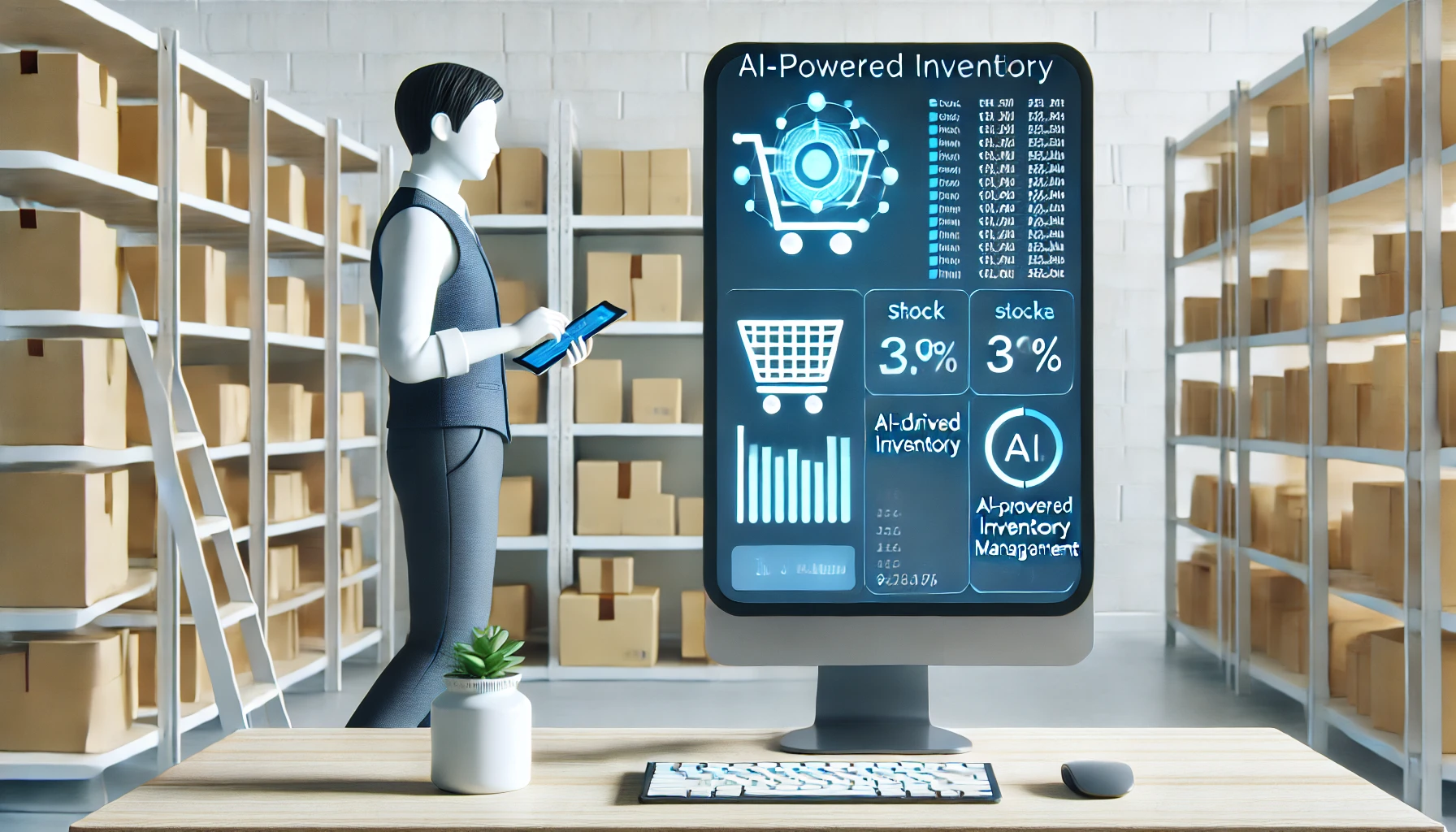
Step 5: Benefits of AI-Powered Inventory Management
- Reduced Costs: AI can help businesses reduce inventory holding costs, minimize waste, and prevent stockouts, leading to significant cost savings.
- Improved Efficiency: Automation and real-time tracking can streamline inventory management processes, freeing up time for other business activities.
- Increased Sales: Accurate demand forecasting and automated replenishment can ensure that products are always available, leading to increased sales.
- Enhanced Customer Satisfaction: By preventing stockouts and ensuring timely delivery, AI can improve customer satisfaction and loyalty.
- Data-Driven Decision Making: AI provides businesses with valuable insights into inventory trends and customer behavior, enabling them to make informed decisions.
Conclusion
AI is no longer a luxury reserved for large corporations.
It’s a powerful tool that can transform small business inventory management, enabling you to optimize stock levels, reduce costs, and improve customer satisfaction.
By embracing AI, you can gain a competitive edge and position your business for long-term success.
The future of inventory management is intelligent, automated, and data-driven.
Ready to revolutionize your inventory management?
Take the first step towards a more efficient and profitable future.
Explore AI-powered inventory management solutions today and discover how they can transform your small business.
Schedule a free consultation with an AI inventory expert to learn how to implement these powerful tools in your own business.
Don’t let outdated inventory practices hold you back any longer. Embrace the power of AI and unlock the full potential of your business.