

How Drones Are Becoming the New Delivery Guys
Introduction: The Pizza That Flew Across Town
On a warm Friday evening in Lagos, Tunde placed an order for his favorite pepperoni pizza. Nothing special, just a regular craving. But what happened next wasn’t regular at all. Twenty minutes later, he heard a faint buzzing outside his window. He looked up. A small quadcopter hovered gracefully over his front yard, gently lowering a bright red box. Tunde laughed in disbelief. His pizza had flown to him. No traffic. No awkward small talk with a delivery rider. Just wings, rotors, and technology.
Welcome to the new age of delivery. Drones are no longer science fiction novelties or military tools. They are the new guys in town, changing how we receive packages, food, medicine, and even emergency supplies. And the shift is happening faster than most of us realize.
Read More: How to Build an AI-Powered Drone
The Sky’s the New Sidewalk
As cities swell and roads clog with traffic, getting packages from point A to point B has become more complex. Traditional delivery systems struggle with urban congestion, rising fuel costs, and the expectations of same-day delivery. Enter drones — agile, unmanned aerial vehicles (UAVs) that can bypass all the traffic, skip the potholes, and fly directly to your location.
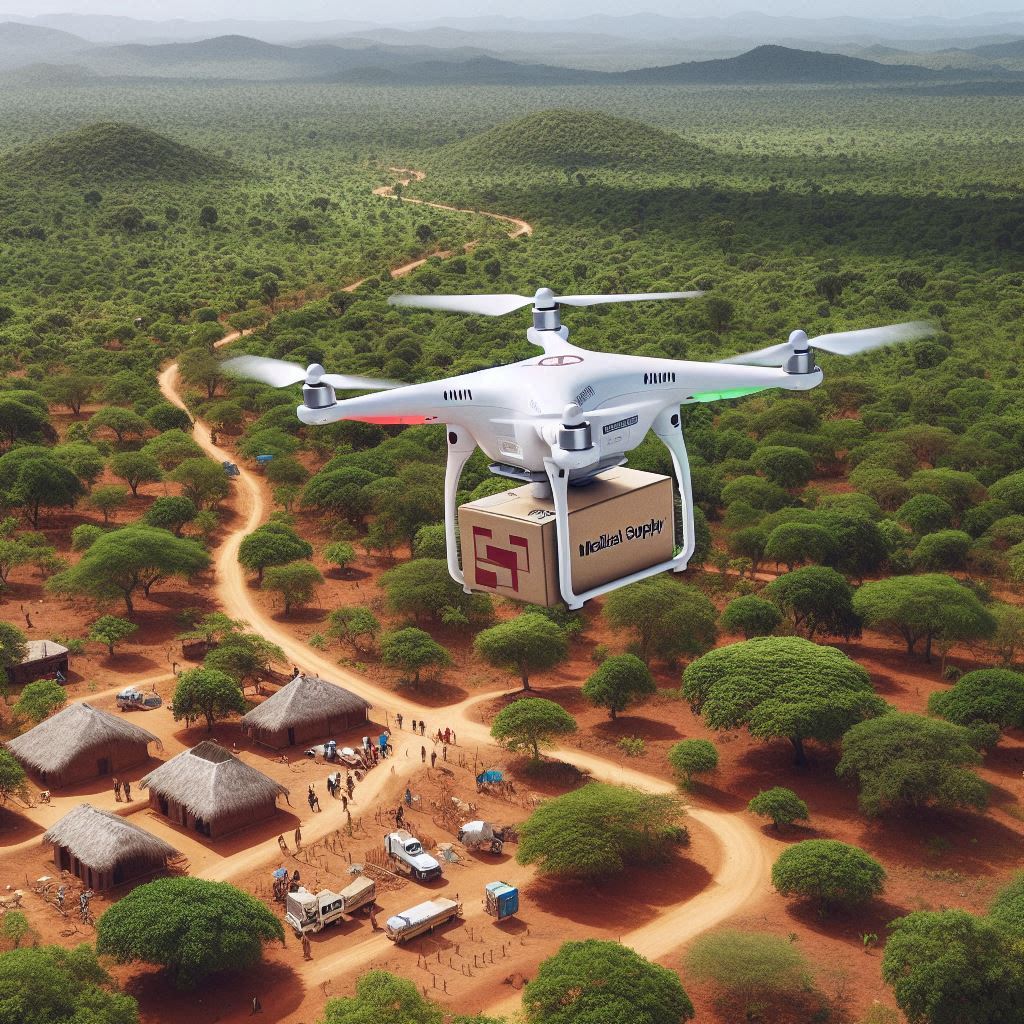
Companies like Amazon, UPS, Zipline, and Wing have been investing heavily in drone delivery programs. In fact, Amazon Prime Air has already launched in select U.S. cities, delivering lightweight packages in under 30 minutes. Zipline, a company born in Silicon Valley, is saving lives in Rwanda and Ghana by delivering blood and vaccines to remote hospitals using fixed-wing drones.
From Gadgets to Gig Workers
At first glance, drones look like expensive gadgets for hobbyists and tech enthusiasts. But today’s delivery drones are more than toys. They’re equipped with GPS navigation, AI-powered collision avoidance systems, real-time communication modules, and payload carriers designed for everything from groceries to medical kits.
Think of them as autonomous gig workers. They don’t need breaks, don’t get stuck in traffic, and aren’t late because of bad directions. Plus, they don’t knock twice. Once the package is delivered, they’re gone, heading back to the sky for the next job.
Industries Taking Flight
1. Retail and E-commerce
Online shopping giants are racing to adopt drone delivery. With customers demanding quicker and greener delivery options, drones are the perfect match. In rural areas where road infrastructure is poor, drones can be a game-changer.
2. Healthcare
In areas where every second matters, like emergencies or rural clinics, drones have already proven life-saving. Blood banks, insulin, defibrillators, and vaccines are being delivered faster than ever.
3. Food and Beverage
From piping hot pizza to ice-cold smoothies, food delivery via drone is gaining popularity in cities with favorable regulations. In countries like Iceland and China, food drones are already a part of everyday life.
4. Agriculture and Farming
While not always considered “delivery,” drones help distribute seeds, fertilizers, and pesticides across large farmlands, enhancing productivity while reducing human labor.
Read More: When Microchips Meet Masquerades – How Tech Is Remixing Culture in Real Time
But Is the Sky All Clear?
While the promise of drone delivery is exciting, it doesn’t come without turbulence.
1. Regulation and Airspace Control
Airspace is not a free-for-all. Governments around the world are still figuring out how to manage low-altitude flight corridors, prevent mid-air collisions, and ensure public safety.
2. Privacy Concerns
A drone flying over neighborhoods with cameras can make people uneasy. Ensuring data protection and preventing misuse is key.
3. Weather Dependency
Heavy rain, strong winds, and fog can ground even the best drones. Unlike trucks or bikes, drones are more vulnerable to natural elements.
4. Cost and Infrastructure
Not every region is drone-ready. Setting up drone ports, charging stations, and maintenance hubs will take time and investment.
What the Future Holds
Despite these challenges, the trajectory is clear. Drones are becoming more efficient, more affordable, and more autonomous. Soon, we might see drones designed to deliver to high-rise balconies, roving drone fleets powered by solar, or swarm deliveries where multiple drones work together for large orders.
As urban areas embrace smart city planning, drones will become integral to how logistics, emergencies, and services operate. Whether it’s delivering textbooks to a student in a flood-stricken village or dropping off birthday cake to your grandma in the suburbs, drones are set to become the delivery guys of tomorrow.
Read More: How to Become a Successful ML Engineer
Frequently Asked Questions
Q1: Are drone deliveries safe?
Yes, most commercial drones are equipped with GPS, collision avoidance systems, and are operated under strict safety regulations. However, weather and technical failures are risks that companies are continually improving on.
Q2: What can drones deliver right now?
Currently, drones can carry small to medium packages, including groceries, medicine, documents, and light electronics — usually under 5 kg.
Q3: How fast is drone delivery compared to traditional methods?
In many cases, drones can deliver in 15 to 30 minutes, bypassing traffic and reducing last-mile delivery delays.
Q4: Do I need a special landing pad for drone delivery?
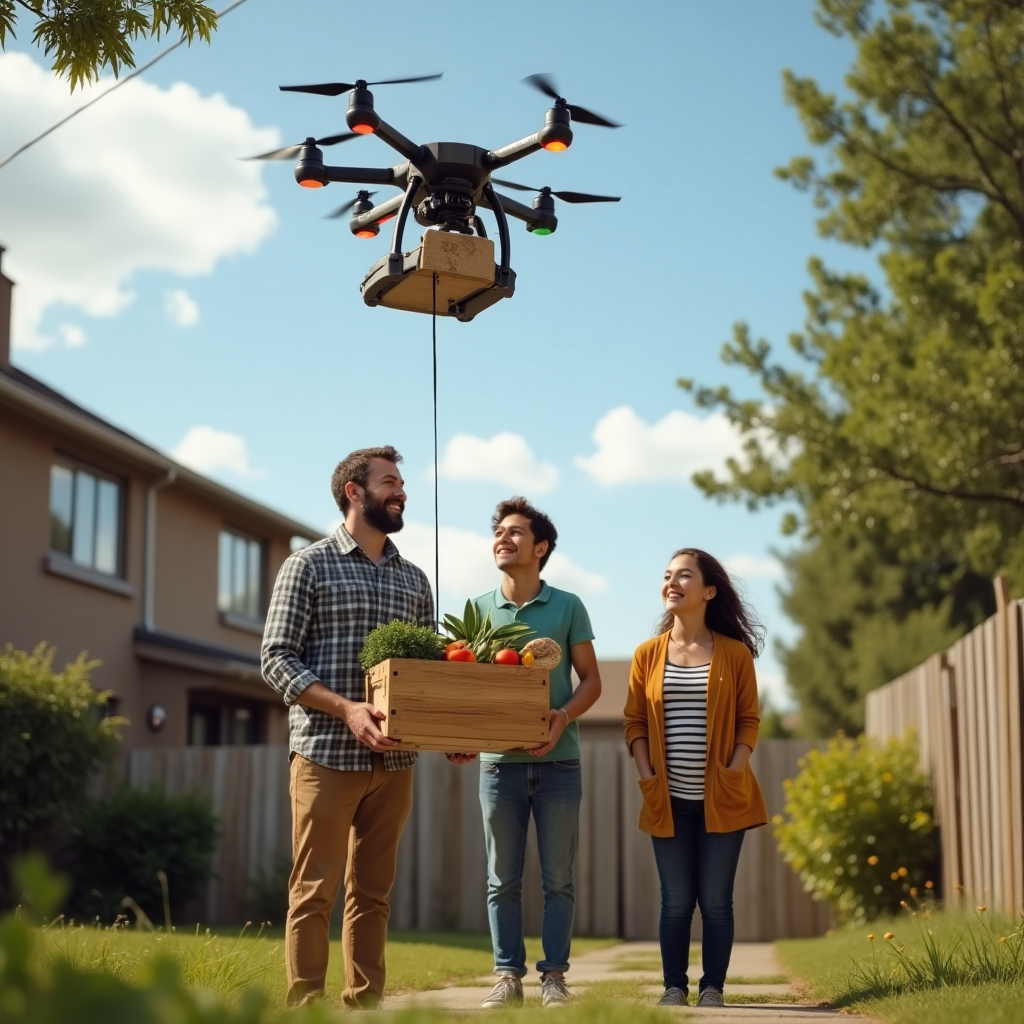
Not necessarily. Some drones can land on flat surfaces, while others use winch systems to lower packages gently to the ground.
Q5: Which countries have embraced drone delivery the most?
The U.S., China, Rwanda, Ghana, and Australia are among the leaders in drone logistics, thanks to supportive regulations and technological investments.
Conclusion: The Buzz Is Real
Back in Lagos, Tunde is still marveling at the memory of that airborne pizza delivery. And he’s not alone. Around the world, millions are beginning to experience what happens when logistics grows wings. While not every country is drone-ready today, the shift is undeniable.
Drones are not just delivering packages. They’re delivering a promise of speed, efficiency, and innovation in motion. The next time you hear a distant hum above your roof, don’t just look up in curiosity. It might just be your groceries landing from the sky.



Pingback: The Birth of the Internet – From ARPANET to World Wide Web - Latest AI/Tech Info