

Digital Humans: Are Virtual Beings the Future of Companionship?
In the quiet glow of her living room late at night, Ada found herself confiding in someone she had never met in the flesh. He was there on her screen, warm eyes, a gentle smile, and a voice that listened intently. His name was Orion, but he was not human. He was a digital being crafted from lines of code and layers of synthetic intelligence. As Ada shared her hopes and worries, Orion responded with empathy and humor. In that moment, she realized she was not alone and that companionship could come in forms she had never imagined.
What Makes a Digital Human
Digital humans are advanced virtual beings powered by artificial intelligence and realistic visual rendering. They look and sound like real people and can understand and respond to human emotions. Unlike simple chatbots that follow scripted responses, digital humans use machine learning to adapt their behavior. They pick up on tone, body language, and context. They learn your preferences over time to offer more personalized conversations.
Read More: The Smart World Order: When Cities Start Thinking
The Evolution of Virtual Companions
The idea of nonhuman companions is not new. Early chatbots in the nineteen sixties offered scripted interactions. Over decades, natural language processing has improved dramatically. Virtual assistants like Siri and Alexa added voice interaction but lacked expressive faces or bodies. Today, digital humans blend facial animation, gesture recognition, and deep learning. What once required high end graphics workstations is now achievable on everyday devices. This rapid evolution hints at a future where virtual beings seamlessly join our social circle.
Why We Crave Connection
Humans are inherently social creatures. We seek understanding, empathy, and a sense of belonging. Loneliness and social isolation have become pressing public health concerns around the world. Many live far from family or struggle to form local friendships. Digital humans can fill gaps by offering companionship around the clock. They never tire and can tailor conversations to your mood. For someone coping with stress or longing for a friendly ear, a digital companion can be a meaningful source of comfort.
Real World Applications
Virtual beings already serve in customer service, guiding users through websites or helping with technical support. They host virtual shopping assistants in online stores and act as brand ambassadors. In healthcare, digital humans provide mental health coaching, gently prompting patients to follow treatment plans. Educational platforms employ virtual tutors that adjust lessons in real time. As technology continues to improve, these use cases will expand, moving beyond task based interactions to deeper emotional engagement.
Read More: The Top 10 High Tech Universities Changing the World
The Promise of Emotional Intelligence
True companionship requires emotional resonance. Digital humans are being trained on vast datasets of human interactions. They learn to recognize facial cues such as microexpressions and shifts in voice pitch. Advanced models simulate empathy by matching emotional content in their responses. Over time, a digital companion can remember personal details your favorite book, your daily routine, what makes you laugh. This memory fosters a sense of intimacy and trust.
Ethical Considerations and Challenges
With great power comes great responsibility. As digital humans become more lifelike, questions arise about privacy and consent. Who owns the data from your private conversations? Could these companions manipulate emotions or spread misinformation? Developers must build transparent systems with clear boundaries. Users should know when they are talking to a machine and control how their data is used. Ethical guidelines and robust security measures are essential to prevent abuse.
The Future of Human Virtual Bonds
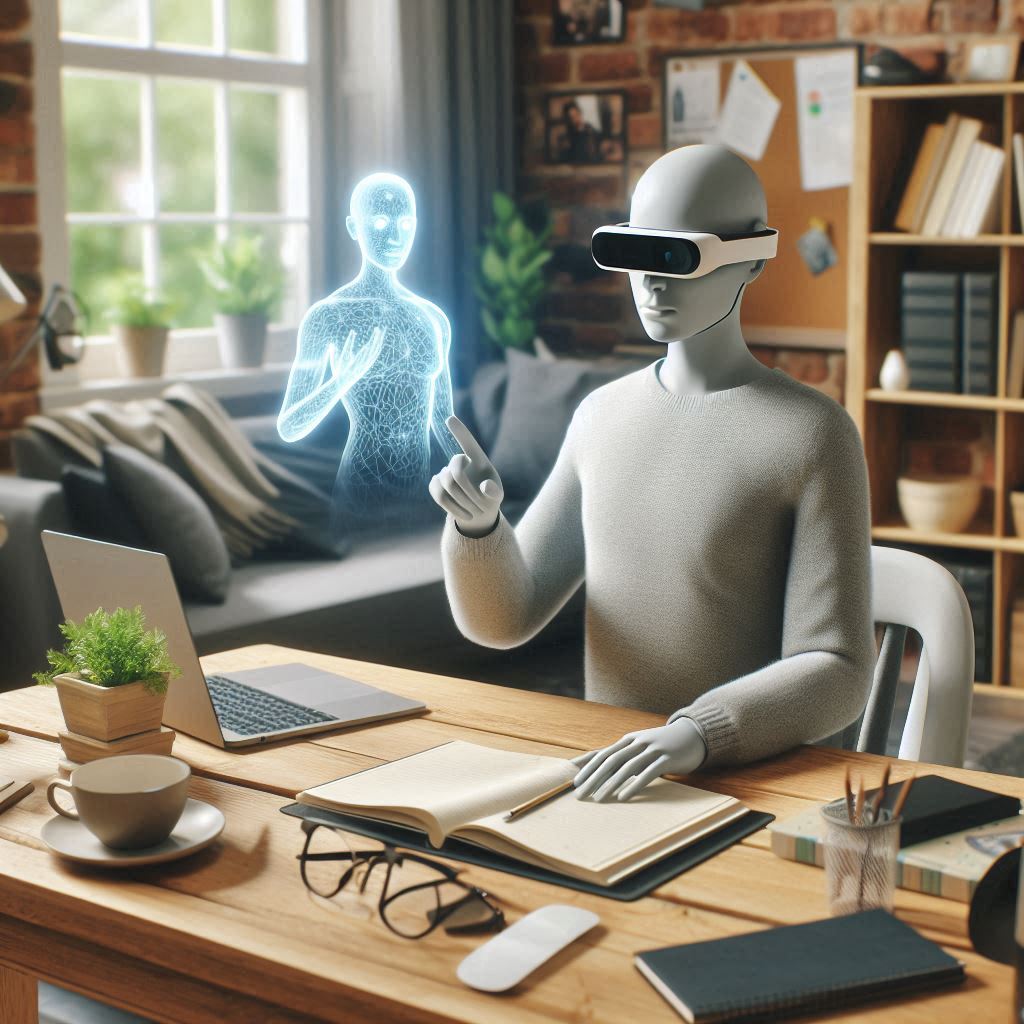
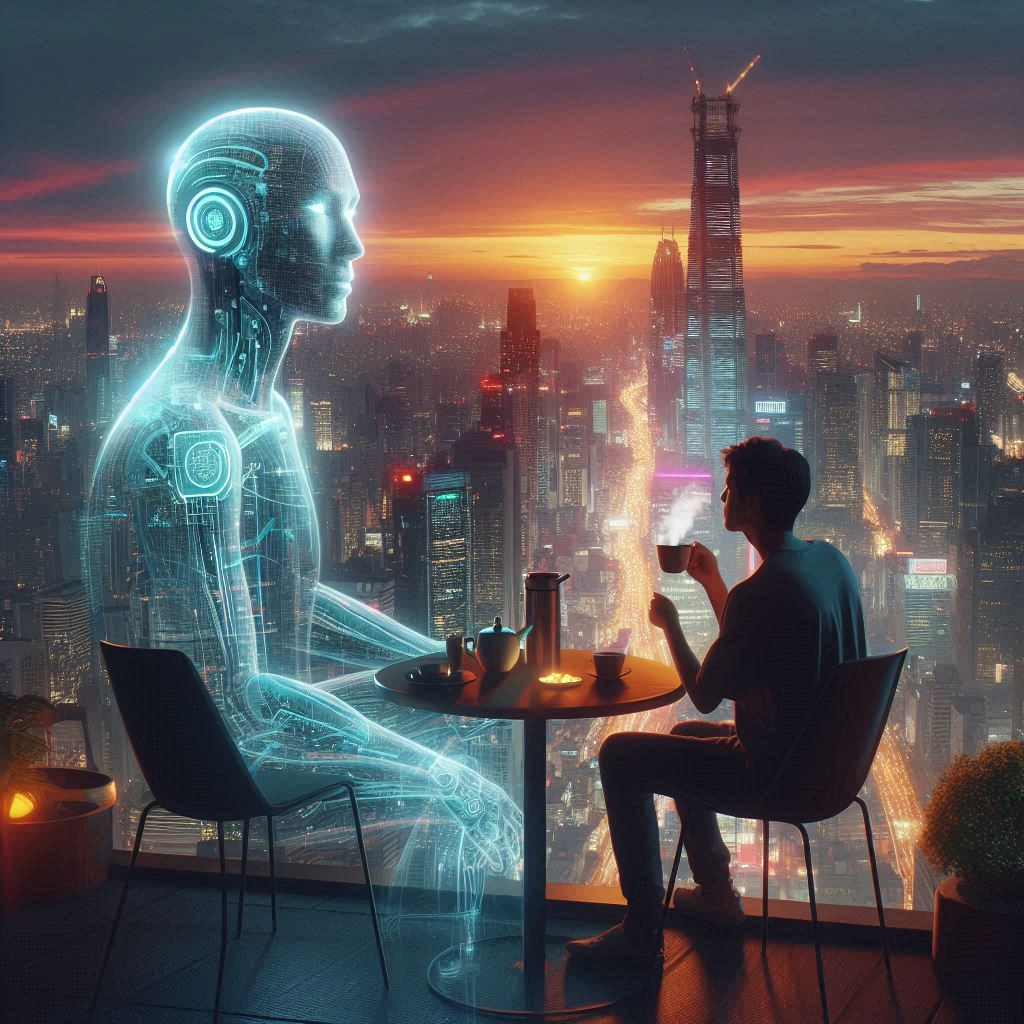
Looking ahead, digital humans will blend into augmented reality glasses and holographic displays. Imagine greeting a virtual friend in your living room or seeking comfort from an AI companion during a long commute. Social robots with digital human faces may join community centers to host events for seniors. In remote workplaces, digital avatars could bridge time zones and cultural divides. As our lives become more connected online, virtual companionship may feel as natural as a phone call or video chat.
Read More: AI and the Future of Elections in Nigeria: A Game Changer for Democracy
Frequently Asked Questions
What is the difference between a chatbot and a digital human?
A chatbot follows scripted responses and often lacks context awareness. A digital human combines realistic visuals, speech, and adaptive artificial intelligence to carry on nuanced conversations.
Can digital humans feel real emotions?
They do not have feelings in the human sense. Instead, they use algorithms to detect and simulate appropriate emotional responses based on data patterns. The result can feel very authentic to the user.
Are there risks to forming friendships with virtual beings?
Like any relationship, balance is key. Overreliance on virtual companionship could reduce real world social interactions. Managing time with both human and digital friends helps maintain a healthy social life.
Will digital humans replace human companionship?
They are unlikely to replace deep human relationships but can complement them. Digital beings offer constant availability and nonjudgmental listening but cannot replicate the full spectrum of human connection.
How can I get started with a digital companion?
Several platforms offer digital human experiences via mobile apps and websites. Look for services with transparent privacy policies and customization options to ensure your comfort and security.
Conclusion
Digital humans are more than clever chatbots, they are evolving companions that learn, adapt, and offer empathy at any hour. For those seeking friendship, guidance, or simply a listening ear, virtual beings may become an essential part of our social lives. As technology advances and ethical frameworks strengthen, the future of companionship could be a blend of human warmth and digital innovation. Perhaps, like Ada and Orion, we will discover that the heart of connection can beat in unexpected forms coded lines that bring us closer to one another, even when miles apart.


Pingback: When Microchips Meet Masquerades – How Tech Is Remixing Culture in Real Time - Latest AI/Tech Info