

BRICS Nations Bet Big on AI to Rewire Global Development
Introduction: A Tale of Two Worlds
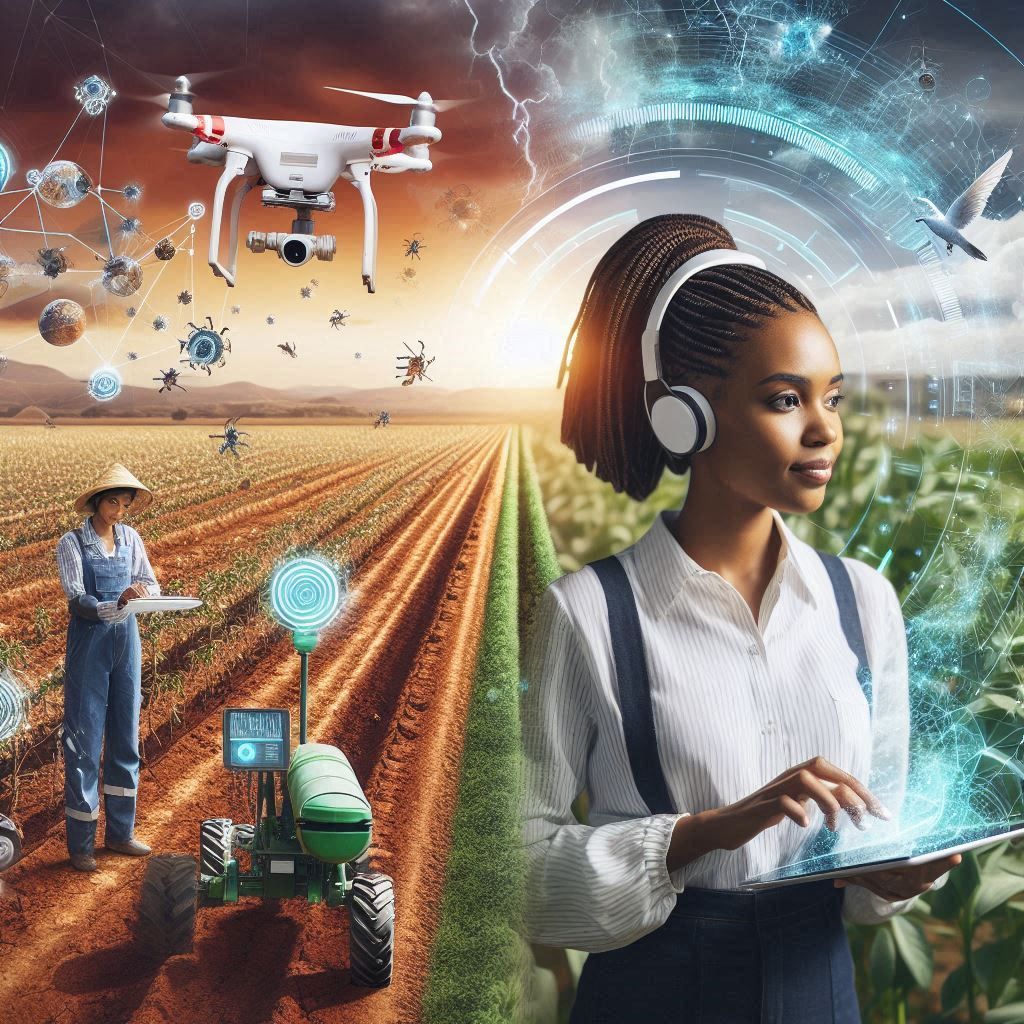
In a dusty corner of Johannesburg, a young engineer named Naledi stares intently at a screen. Drones buzz overhead collecting agricultural data from drought-ridden farmland. Thousands of miles away in São Paulo, a team of developers fine-tune an AI model to predict public health trends in favelas. In Moscow, quantum labs hum with algorithms designed to bolster cybersecurity infrastructure. Meanwhile, in Mumbai, students train machine learning models on vernacular languages, and in Beijing, factories gleam under the glow of AI-driven robotics.
What ties these seemingly unconnected scenes together is a rising tide, a collective pivot by BRICS nations to harness the transformative power of Artificial Intelligence. Brazil, Russia, India, China, and South Africa are no longer just emerging economies; they are now emerging AI ecosystems with ambitions to rewrite the global rulebook.
Welcome to the new era of development where AI is not merely a tool, but a geopolitical strategy.
The AI Awakening Among BRICS Nations
For years, the conversation around Artificial Intelligence has been dominated by the United States and the European Union. But quietly, and now more loudly, the BRICS nations are redefining their technological identities with AI at the core. This shift isn’t just about keeping up — it’s about leapfrogging.
Each BRICS country brings a unique challenge and opportunity to the AI table:
- Brazil leverages AI for sustainable development and healthcare.
- Russia focuses on defense, cybersecurity, and language processing.
- India prioritizes AI for agriculture, education, and multilingual models.
- China leads in scale with its massive AI infrastructure and exports.
- South Africa aims to use AI to address inequality and improve service delivery.
Together, they are building a multipolar AI world, moving away from dependence on Western models and creating alternative, culturally sensitive, and economically tailored solutions.
Why AI? Why Now?
There are three driving forces behind this BRICS AI surge:
- Development Gaps and Population Needs
With over 40 percent of the world’s population, BRICS countries face vast disparities in education, healthcare, infrastructure, and resource distribution. AI offers scalable and cost-effective solutions to close these gaps fast. - Strategic Independence
By investing in AI, BRICS nations aim to reduce reliance on Western tech giants. This includes developing indigenous cloud infrastructure, open-source AI models, and sovereign data policies. - Global Influence
AI is the new oil — a commodity that brings power, control, and negotiation leverage. BRICS understands that AI leadership translates to geopolitical relevance in trade, diplomacy, and digital governance.
Read More: How Europe’s Bold Tech Fund Could Finally Close the Innovation Gap with the US and China
Key Projects and Initiatives
- China’s AI Blueprint
China’s “New Generation AI Development Plan” outlines goals for global AI leadership by 2030. The country already boasts smart cities, facial recognition systems, and AI exports to Africa and Southeast Asia. - India’s National AI Portal
India’s “AI for All” initiative promotes inclusive AI, with major strides in agriculture tech, language models like Bhashini, and AI-enabled healthcare diagnostics. - Brazil’s AI Strategy
Brazil emphasizes ethical AI and climate-based applications, such as wildfire monitoring and Amazon rainforest protection using predictive AI. - Russia’s Defense AI
Russia focuses on AI for military tech, data security, and language processing tools that challenge dominant Western language models. - South Africa’s Inclusive AI
South Africa invests in AI research hubs at universities and startups targeting inequality, job creation, and public service reform.
Collaboration over Competition
What sets BRICS apart is their willingness to collaborate. The BRICS AI Forum, proposed in 2023, seeks to standardize AI ethics, share open-source frameworks, and create cross-border development pipelines. By pooling resources, these nations hope to sidestep the fragmented, competitive approach seen in the West.
Joint ventures are already taking shape:
- India and Russia are co-developing AI tools for space research.
- Brazil and China are working on climate change models.
- South Africa and India are collaborating on AI education programs for underserved youth.
Challenges Ahead
Despite the momentum, BRICS nations face significant hurdles:
- Infrastructure gaps especially in rural and underserved regions.
- Data governance issues including surveillance concerns and lack of unified privacy laws.
- Talent migration as skilled professionals often move to more lucrative Western markets.
- Ethical AI frameworks still in early stages of development.
But even these challenges provide fuel for innovation. Startups across BRICS are finding ways to innovate with low bandwidth models, federated learning systems, and mobile-first platforms tailored to their contexts.
FAQs
What makes BRICS’ approach to AI different from the West?
BRICS nations focus on localized problems, affordability, and inclusivity. While the West often builds for high-income, urban environments, BRICS AI addresses rural challenges, multilingual populations, and resource constraints.
Are BRICS nations collaborating on AI research?
Yes. There are ongoing efforts to create a shared AI research platform, collaborative datasets, and common ethical guidelines, especially through the BRICS AI Forum.
How is AI helping with sustainable development in BRICS countries?
From climate modeling in Brazil to precision farming in India, AI is being deployed to manage natural resources, reduce waste, and improve disaster response.
Will BRICS AI efforts challenge Silicon Valley’s dominance?
In some domains, yes. China is already leading in facial recognition and robotics. India is making waves in affordable AI. The collective effort could present a strong counterbalance to Western dominance.
Conclusion: Rewriting the Playbook
BRICS nations are not just catching up, they are reinventing the roadmap. By rooting AI in their own development needs, governance models, and cultural ecosystems, they are creating a parallel AI universe that speaks their languages, solves their problems, and tells their stories.
This isn’t just a technological shift. It’s a philosophical one. AI in the BRICS world is not about replacing people. It’s about empowering them.
As Naledi in Johannesburg watches real-time data improve crop yields, she becomes a symbol of this tectonic shift. One where the global south doesn’t follow the AI narrative but writes a new one.
And that narrative might just redefine the future of global development.


Pingback: The Birth of the Internet – From ARPANET to World Wide Web - Latest AI/Tech Info