
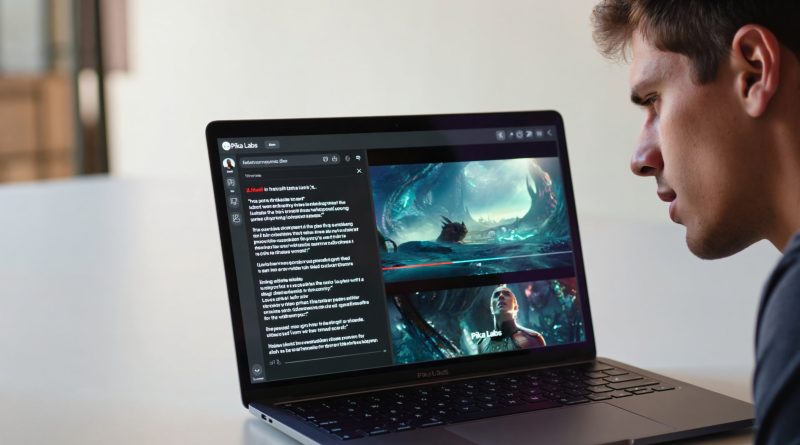
How to Create Short AI Movies From Text Prompts Using Pika Labs
Introduction
Not long ago, creating a short movie required cameras, actors, editing software, and a full production team. For many creators, filmmaking felt like a distant dream because of the cost and technical demands involved. Even producing a simple video often meant long hours of planning and execution.
Today, that reality is changing rapidly. Artificial intelligence has introduced a new way to tell stories visually. With just a simple idea written in text, creators can now generate short cinematic clips within minutes.
Tools like Pika Labs are at the forefront of this transformation. They are making it possible for anyone, regardless of skill level, to turn imagination into engaging visual content without traditional production barriers.
Understanding How Pika Labs Works
Pika Labs is built to convert written prompts into short video clips using artificial intelligence. Instead of filming scenes manually, users describe what they want to see, and the system generates a visual representation of that idea.
This process relies on advanced AI models that interpret language and translate it into motion, visuals, and cinematic effects. The platform focuses on simplicity, allowing users to create content without needing deep technical knowledge.
What makes this tool stand out is its ability to combine storytelling with automation. It does not just create random visuals; it attempts to match the mood, setting, and action described in the prompt. This makes it particularly useful for creators who want quick results without sacrificing creativity.
Read More: How to Create a Powerful Business Website Chatbot Using Botpress AI
Turning Text Prompts Into Visual Stories
Creating a short movie with Pika Labs starts with a clear idea. The quality of the output often depends on how detailed and descriptive the prompt is. A simple sentence may produce a basic clip, while a more detailed description can generate richer and more engaging visuals.
When users input a prompt, the AI processes elements such as environment, characters, movement, and style. It then generates a short video that reflects these details. This means creators can experiment with different storytelling styles by simply adjusting their words.
The ability to refine prompts is also important. If the first result does not match expectations, users can tweak their descriptions and generate improved versions. This iterative process allows for creative control without the need for complex editing tools.
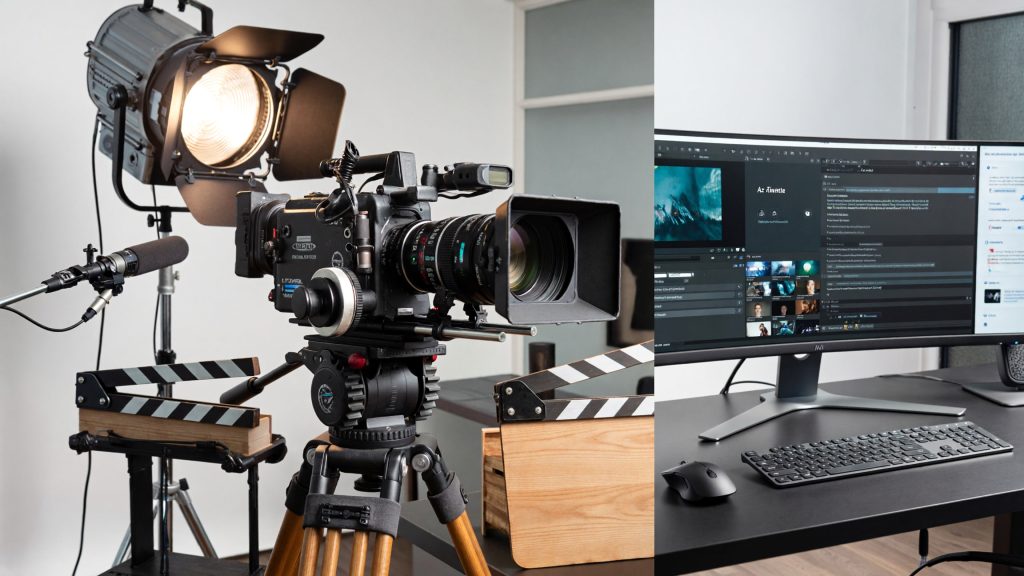
Table: AI Video Creation vs Traditional Filmmaking
| Method | Key Difference |
|---|---|
| Pika Labs AI | Fast text-to-video generation |
| Traditional Filmmaking | Requires equipment and crew |
| Pika Labs AI | Low cost and accessible |
| Traditional Filmmaking | High production cost |
The Creative Advantages of AI Video Tools
One of the biggest advantages of using Pika Labs is speed. What once took days or weeks can now be done in minutes. This allows creators to focus more on ideas rather than technical execution.
Another benefit is accessibility. Anyone with an internet connection can start creating videos. There is no need for expensive cameras or editing software. This opens up opportunities for individuals who may not have had access to traditional filmmaking resources.
The platform also encourages experimentation. Creators can test different concepts, styles, and narratives quickly. This flexibility is especially valuable for marketers, educators, and content creators who need to produce engaging visuals regularly.
Read More: How to Transform Written Notes Into Stunning Presentations Using Tome AI
Real World Applications of AI Generated Videos
The impact of tools like Pika Labs can already be seen across different industries. Content creators use it to produce short videos for social media, helping them keep up with the demand for frequent and engaging posts.
Marketers rely on AI-generated videos to create promotional content quickly, reducing production costs while maintaining quality. Educators use these tools to develop visual learning materials that make lessons more engaging and easier to understand.
Filmmakers are also exploring AI for concept development and storyboarding. By generating quick visual drafts, they can experiment with ideas before committing to full production.
The Future of AI-Driven Filmmaking
The development of platforms like Pika Labs signals a major shift in how video content is created. As AI continues to improve, we can expect longer videos, better character consistency, and more control over visual details.
Future advancements may allow creators to generate entire scenes with complex narratives, making AI an essential tool in filmmaking. Integration with other technologies, such as virtual reality, could also enhance the immersive experience of AI-generated content.
This evolution will likely blur the line between traditional filmmaking and digital creation, giving rise to new forms of storytelling.
Read More: Step-by-Step Guide to Creating Studio-Quality YouTube Voiceovers Using Murf AI
Frequently Asked Questions
Can Pika Labs create full-length movies?
Currently, Pika Labs focuses on short video clips, but creators can combine multiple clips to form longer stories.
Do I need professional skills to use Pika Labs?
No, the platform is designed for beginners and professionals alike, making it easy to start creating immediately.
How important is the text prompt?
The prompt is very important because it determines the quality and accuracy of the generated video. More detailed prompts usually produce better results.
Can AI videos be used for business purposes?
Yes, many creators and businesses use AI-generated videos for marketing, education, and content creation.
Conclusion
The ability to turn text prompts into short movies represents a major breakthrough in digital creativity. With tools like Pika Labs, the barriers to video production are being removed, allowing more people to bring their ideas to life.
This technology is not just about convenience. It is about expanding creative possibilities and making storytelling more accessible than ever before. As AI continues to evolve, the future of video creation will become even more dynamic, opening doors to innovations we are only beginning to imagine.



Pingback: How to Create Engaging AI Social Media Posts Using Canva Magic Write - Latest AI/Tech Info
Pingback: How to Conduct Faster and Smarter Online Research Using Perplexity AI - Latest AI/Tech Info