
Elon Musk Merges SpaceX with xAI to Create a Trillion-Dollar AI Powerhouse
Introduction
Elon Musk has never been one to think small. From electric cars to reusable rockets, his ventures have consistently reshaped entire industries. Now, the billionaire entrepreneur is pushing boundaries again with a bold move that blends artificial intelligence with space technology.
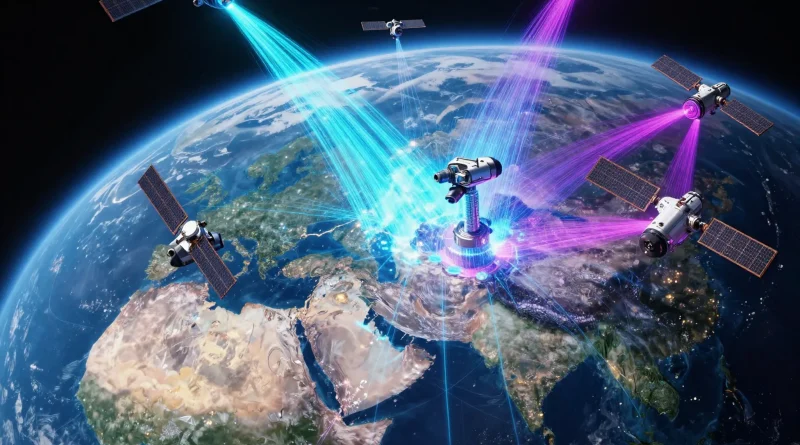
In a landmark decision, Musk has merged SpaceX with his artificial intelligence startup xAI, creating a combined entity valued at approximately $1.25 trillion. The merger signals a future where AI, satellite networks, and global communications operate as one powerful ecosystem. Industry analysts believe this could redefine how AI infrastructure is deployed across the world.
The SpaceX–xAI Merger Explained
The merger brings together two of Musk’s most ambitious companies. SpaceX provides unmatched satellite and aerospace capabilities, while xAI contributes advanced artificial intelligence models designed to compete with OpenAI, Google DeepMind, and Anthropic.
By uniting both companies, Musk aims to accelerate innovation across multiple sectors, including communications, defense, enterprise AI, and real-time data processing.
Read More: Sunway iLabs and Alibaba Partner to Strengthen AI Startup Ecosystem Across Asia
Key Highlights of the Merger
| Component | Role in the Merger | Strategic Value |
|---|---|---|
| SpaceX | Satellite launch and Starlink infrastructure | Global connectivity and data transmission |
| xAI | Advanced AI models and research | Intelligence, automation, and decision-making |
| Starlink | Low-latency satellite internet | Edge AI and real-time processing |
| Combined Entity | Unified AI and aerospace platform | Trillion-dollar valuation and scale |
Why This Merger Matters for the AI Industry
This move positions Musk’s new venture as a serious challenger in the global AI race. Unlike competitors that rely solely on cloud infrastructure, the combined SpaceX–xAI model integrates AI directly with satellite networks.
This could enable AI systems that operate in remote regions, support real-time decision-making, and function independently of traditional data centers.
Major Industry Impacts
- Faster deployment of AI tools worldwide
- Reduced dependence on ground-based infrastructure
- Improved AI performance in low-connectivity regions
- New competition for cloud giants like AWS, Azure, and Google Cloud
What This Means for AI Infrastructure Tools
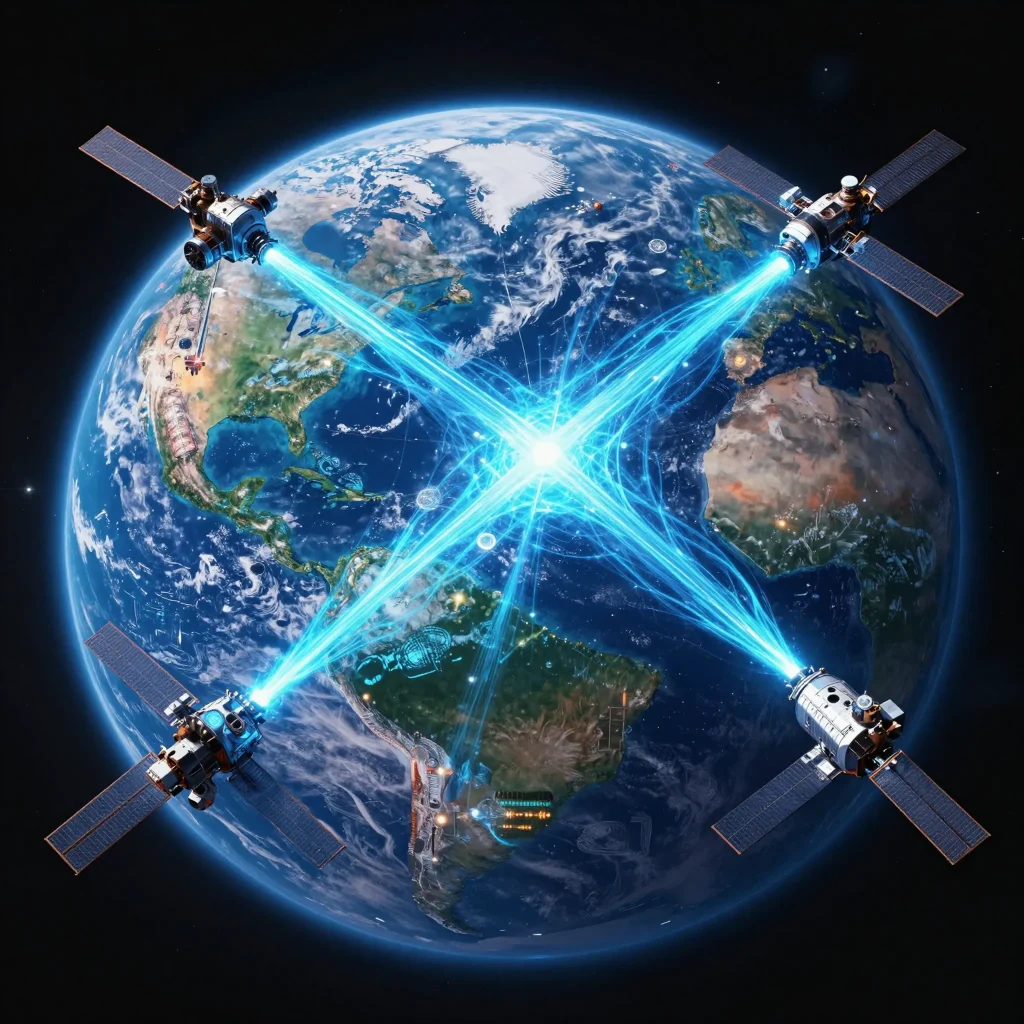
One of the most significant outcomes of the merger is its impact on AI infrastructure tools. By combining satellite connectivity with AI models, the venture opens the door to satellite-supported edge AI deployments.
Edge AI allows data to be processed closer to where it is generated, reducing latency and improving reliability.
Potential Use Cases
| Use Case | How It Works | Benefit |
|---|---|---|
| Edge AI via Satellites | AI models run on satellite-linked devices | Low latency and global reach |
| Smart Communications | AI optimizes bandwidth and routing | Faster and cheaper data transfer |
| Defense and Security | Real-time AI analysis from space | Improved surveillance and response |
| Global IoT Networks | AI manages billions of connected devices | Scalability and efficiency |
Read More: Fusemachines and RentRedi Partner to Introduce AI-Powered Real Estate Tools for Landlords
Implications for Global Connectivity Services
With Starlink already providing internet to millions, integrating xAI’s intelligence could transform connectivity into a smart, adaptive network. AI-driven satellites may optimize traffic, predict outages, and improve service quality automatically.
This could be especially valuable in developing regions, disaster zones, and remote industrial operations.
Competitive Landscape and Market Reactions
The announcement has sparked reactions across the tech industry. Investors see the merger as a long-term play that could reshape AI economics, while competitors are reassessing their infrastructure strategies.
Cloud providers may now face pressure to integrate AI more deeply with hardware and connectivity, rather than relying purely on centralized data centers.
Challenges and Risks to Watch
Despite its promise, the merger is not without risks.
- Regulatory scrutiny across multiple countries
- High capital and operational costs
- Ethical concerns around AI surveillance
- Integration complexity between aerospace and AI systems
How Musk navigates these challenges will determine the venture’s long-term success.
Read More: Stellantis and Mistral AI Expand Their Partnership to Scale AI Adoption Across Global Operations
Frequently Asked Questions (FAQ)
Why did Elon Musk merge SpaceX with xAI?
The merger aims to combine satellite infrastructure with advanced AI to create globally scalable intelligence systems.
How much is the combined company worth?
The new entity is valued at approximately $1.25 trillion.
What role does Starlink play in this merger?
Starlink provides low-latency global internet, enabling AI models to run closer to users worldwide.
Could this challenge existing AI companies?
Yes. The integration of AI with space-based infrastructure gives Musk’s venture a unique competitive advantage.
Will this affect everyday internet users?
Over time, users may benefit from faster, smarter, and more reliable internet services.
Conclusion
Elon Musk’s decision to merge SpaceX with xAI marks a defining moment in the evolution of artificial intelligence and global connectivity. By uniting space infrastructure with cutting-edge AI models, the new trillion-dollar powerhouse could change how intelligence is deployed across the planet.
If successful, this venture may usher in an era where AI is not confined to data centers but operates seamlessly from orbit, powering communication, automation, and innovation at an unprecedented scale.


Pingback: The Fall of WeWork: How Aggressive Expansion Led to a Tech-Startup Meltdown - Latest AI/Tech Info
Pingback: The Decline of Skype: How Zoom and Microsoft Teams Took Over Video Communication - Latest AI/Tech Info