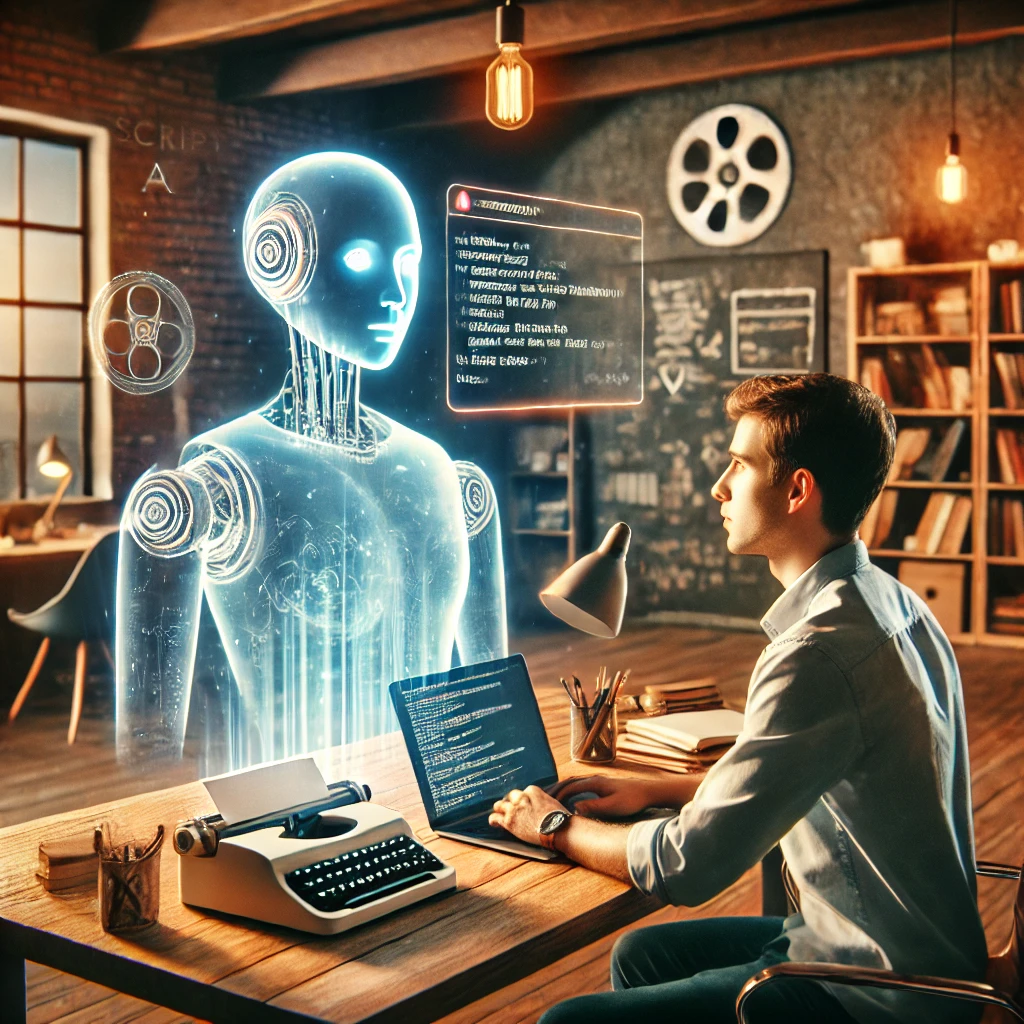

Can AI take your order?
It was a rainy Thursday when I walked into a small neighborhood diner and found a tablet at every table. The waitress smiled and pointed to one of the tablets while she wiped a glass. A man at the counter was chatting with a voice assistant built into a small kiosk and laughing at something the assistant had said. By the time my coffee arrived the tablet had suggested a meal based on my previous visits my phone had logged and the kiosk had already asked the man at the counter whether he wanted extra fries.
That scene felt like a gentle nudge from the future. It also felt a little strange. Who was ordering? The person eating or the machine helping them decide? That question is the heart of this story and of many heated conversations in restaurants and tech circles today. Can artificial intelligence actually take your restaurant order and do it well? Let us walk through the technology the promise and the pitfalls and leave you with a clear picture of where this is heading.
Read More: GPS and Satellite Tech – Mapping the Modern World
The big idea in plain English
Artificial intelligence is the set of computer methods that let machines listen learn and decide. In restaurants AI can listen to voice orders read menus suggest dishes learn tastes remember allergies and even manage the flow of orders to the kitchen. The goal is simple. Make ordering faster more accurate and more personal while freeing staff to do the human parts of hospitality.
But the reality is layered. Some AI systems already take orders in limited ways. Others only assist staff. And many technologies are being tested that could transform every table into a smart ordering point. This article explains how these systems work where they shine where they fail and what it means for diners workers and restaurant owners.
How AI can take an order
AI ordering is not one single thing. It is a collection of technologies working together. Here are the main pieces
- Voice recognition and natural language understanding
Systems convert spoken words into text and then interpret intent. That lets a customer say I want the grilled salmon with no butter and the system understand the dish the modification and the request to avoid a specific ingredient. - Menu mapping and context awareness
The AI maps casual language to menu items. If a customer says I want something light it can suggest a salad. If the system knows the time of day it might suggest a breakfast option. - Personalization and memory
With permission AI can remember past orders dietary preferences and favorite modifications. That shortens repeat visits and can suggest add ons the customer is likely to enjoy. - Order routing and kitchen coordination
Once the order is confirmed AI translates it into the exact format the kitchen needs and can prioritize items to reduce wait time or prevent bottlenecks. - Payment and loyalty integration
Many AI systems include payment options or integrate with loyalty programs so checkout is seamless. - Multimodal inputs
Beyond voice the system can accept taps on a tablet scans of QR codes photos of menu items or even gestures in advanced setups.
What works well right now
AI excels when tasks are repetitive structured or when large amounts of data help guide decisions. In restaurants that means
- Fast simple orders such as coffee pickup or pizza with set options
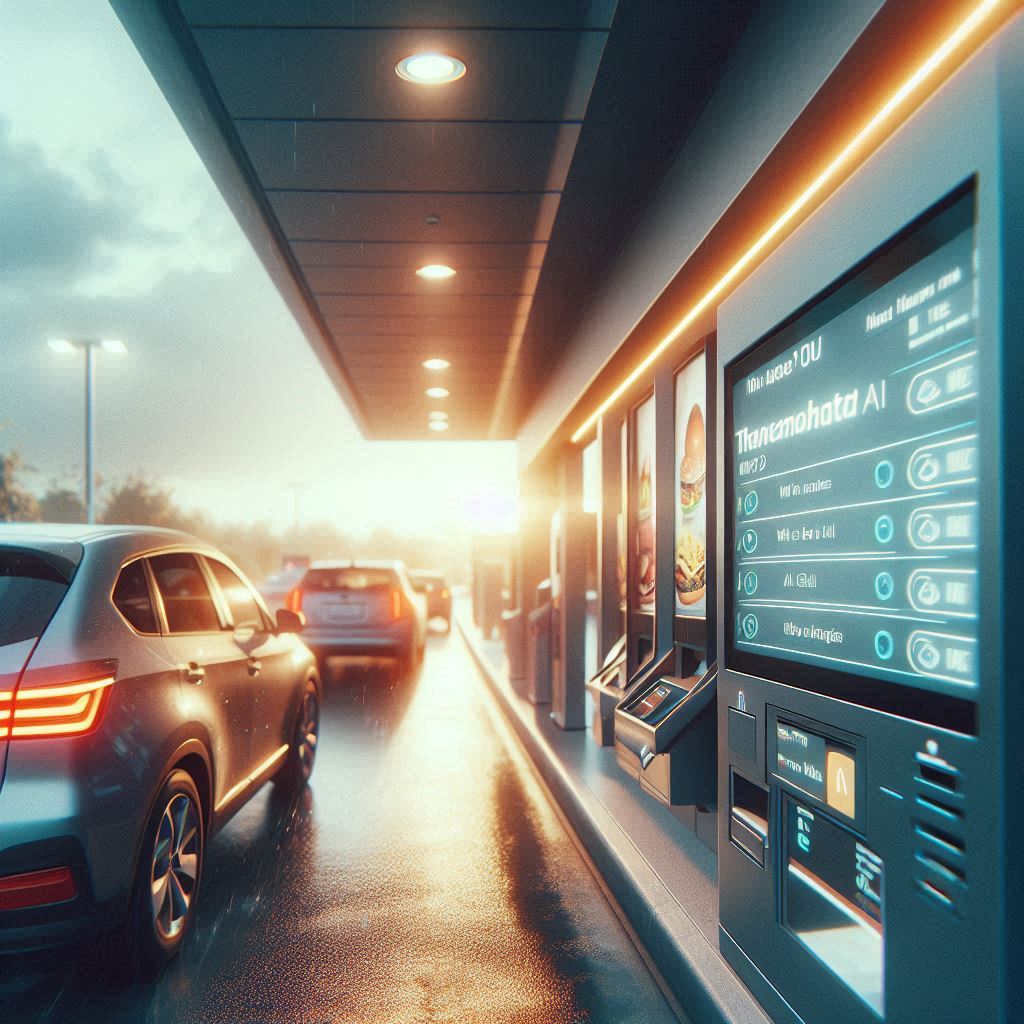
- Drive through lanes where accuracy and speed matter most
- Suggesting popular add ons like fries or a drink based on the main item chosen
- Managing digital menus that update availability or specials in real time
- Assisting staff by taking initial orders so servers can focus on service
These are real use cases you can find in many cities today. The technology improves speed reduces some errors and often increases average check size because of smart suggestions.
Where AI still struggles
Real world human conversations are messy and food can be a sensitive topic. AI systems struggle with
- Heavy accents or loud background noise in busy dining rooms
- Complex custom requests that do not map neatly to menu items
- Subtle human signals like a hesitant tone that might mean dietary concern or allergy fear
- Trust issues where customers prefer a human to handle special requests or social interaction
- Edge cases such as split bills or last minute ingredient swaps
In short AI can do a lot but it does not yet replace the judgment flexibility and empathy of a skilled server.
The human cost and the human gain
When discussing AI in restaurants people often worry about job loss. The truth is complicated. AI can automate tasks which may reduce routine workloads. At the same time it can create new jobs such as system maintenance data analysis and customer experience design. The best outcomes come when AI handles repetitive tasks and staff do more hospitality work that requires judgment empathy and creativity.
For customers the gain is convenience consistency and speed. For workers the gain can be less drudgery and more time to craft memorable experiences when restaurants intentionally redesign roles rather than simply remove them.
Privacy ethics and consent
Any system that remembers past orders or links to a phone needs clear consent policies. Restaurants must be transparent about what data they collect how long they keep it and how they protect it. Customers should always have the option to opt out and to use anonymous ordering. Trust matters more than features when it comes to personal data.
Implementation checklist for restaurant owners
If you run a restaurant and want to explore AI for ordering consider this checklist
- Define the problem
Do you want faster drive through orders simpler dine in upselling or reduced errors - Start small
Pilot with a simple use case such as order taking at the pickup counter - Train staff
Train employees to work with the technology and to focus on guest experience - Focus on accuracy and empathy
Design fallback flows to involve a human when the AI is unsure - Ensure data privacy
Have clear consent and data deletion policies - Measure outcomes
Track speed accuracy average check and customer satisfaction
Read More: BRICS Nations Bet Big on AI to Rewire Global Development
Real life scenarios
- A small cafe uses a voice kiosk for coffee orders in a busy morning rush. Accuracy improved and staff focused on drink quality.
- A casual chain rolled out tablets for table ordering. Upsell rates rose and wait staff used saved time to check on guests.
- A fine dining restaurant tested AI for initial menu suggestions but kept servers for final confirmation because of the complexity of substitutions and allergies.
Each case shows that AI fits some workflows better than others.
veryday customers. The structure helps readers find the information they need quickly and take action.
FAQ
Can AI understand regional accents and slang
Some systems perform well with a range of accents but noisy environments and heavy slang can still cause errors. Choose vendors that provide ongoing training and local tuning.
Will AI take away jobs in restaurants
AI may change job tasks but it does not necessarily remove roles entirely. The best approach is to redesign positions so staff do more high value customer service work while machines handle repetitive tasks.
Is using AI safe for customers with allergies
AI can flag and enforce allergy restrictions if the menu data is accurate. Always include a human verification step for serious allergy concerns.
How much does it cost to implement AI ordering
Costs vary widely based on the chosen solution from simple tablets to fully integrated voice systems. Start with a pilot to measure return on investment before a full rollout.
Can AI handle special requests and custom orders
AI can handle many customizations but complex ad hoc requests may still require human intervention. Good systems provide a clear way to escalate to staff when needed.
Will AI make ordering more personal or more robotic
It can do both. With the right design AI can make recommendations feel personal by remembering preferences. Without careful design it can feel pushy or robotic. Balance is key.
Conclusion
Can AI take your restaurant order? The short answer is yes in many cases. AI already handles countless simple orders speeds up drive through lanes and powers table tablets. The longer answer is that AI is best when it augments human staff rather than replaces them. When restaurants choose the right use cases design with empathy and protect customer data they can unlock faster service higher accuracy and more personalized recommendations while preserving the human warmth that makes dining out special.
The future will likely be a mix. Some orders will be handled by voice assistants or tablets and others by smiling servers who know your name and your favorite dish. If you care about speed you will love AI. If you care about human connection you will find ways to keep it at the center. The smartest restaurants will do both.