

What Happened to Vine: How Instagram and TikTok Replaced a Short-Video Pioneer
Introduction
Before TikTok trends and Instagram Reels dominated our screens, there was Vine.
Six-second looping videos sparked viral moments, launched internet celebrities, and redefined short-form entertainment. Vine felt fresh, chaotic, and wildly creative. It shaped internet humor and gave birth to a new generation of digital creators.
But just as quickly as it rose, it disappeared.
What happened to Vine? And how did Instagram and TikTok replace a platform that once pioneered short-form video?
The Birth of Vine
Vine launched in 2013 after being acquired by Twitter.
Its concept was simple: record and share six-second looping videos. The limitation became its superpower. Creators were forced to be concise, clever, and creative.
Within months, Vine exploded in popularity, especially among younger audiences.
Why Vine Became So Popular
Vine’s success was driven by several key factors:
- Short, addictive looping videos
- Easy mobile creation tools
- A strong creator community
- Viral shareability
- Meme-friendly format
It introduced early internet stars and influencers who later became major digital personalities.
The Platform’s Growth and Challenges
Despite its popularity, Vine struggled with long-term strategy and monetization.
Key challenges included:
- Limited revenue opportunities for creators
- Poor creator monetization model
- Internal leadership instability
- Slow feature innovation
- Rising competition
Creators began looking for platforms where they could earn income and build sustainable careers.
The Rise of Instagram Video
Meanwhile, Instagram was rapidly evolving. Initially focused on photos, Instagram introduced video features and later Stories.
Backed by Meta Platforms, Instagram had strong financial support and product development capabilities.
It offered:
- Longer video formats
- Brand partnerships
- Better discovery tools
- Built-in advertising infrastructure
Many Vine creators migrated to Instagram for monetization opportunities.
The Emergence of TikTok
Then came TikTok.
Launched globally by ByteDance, TikTok built a powerful algorithm that prioritized content discovery over follower count. Unlike Vine’s follower-heavy structure, TikTok’s “For You” page enabled rapid viral growth for new creators.
TikTok improved on Vine’s concept by offering:
- Longer short-form videos
- Advanced editing tools
- Music integration
- AI-powered content recommendations
- Strong creator monetization programs
The platform scaled globally and dominated the short-video market.
Read More: The Fall of WeWork: How Aggressive Expansion Led to a Tech-Startup Meltdown
Why Vine Shut Down
In 2016, Twitter announced Vine would be discontinued.
The decision was influenced by:
- Financial struggles at Twitter
- Lack of a monetization strategy
- Declining user growth
- Competition from Instagram and emerging TikTok alternatives
Without a sustainable revenue model or product innovation roadmap, Vine could not compete.
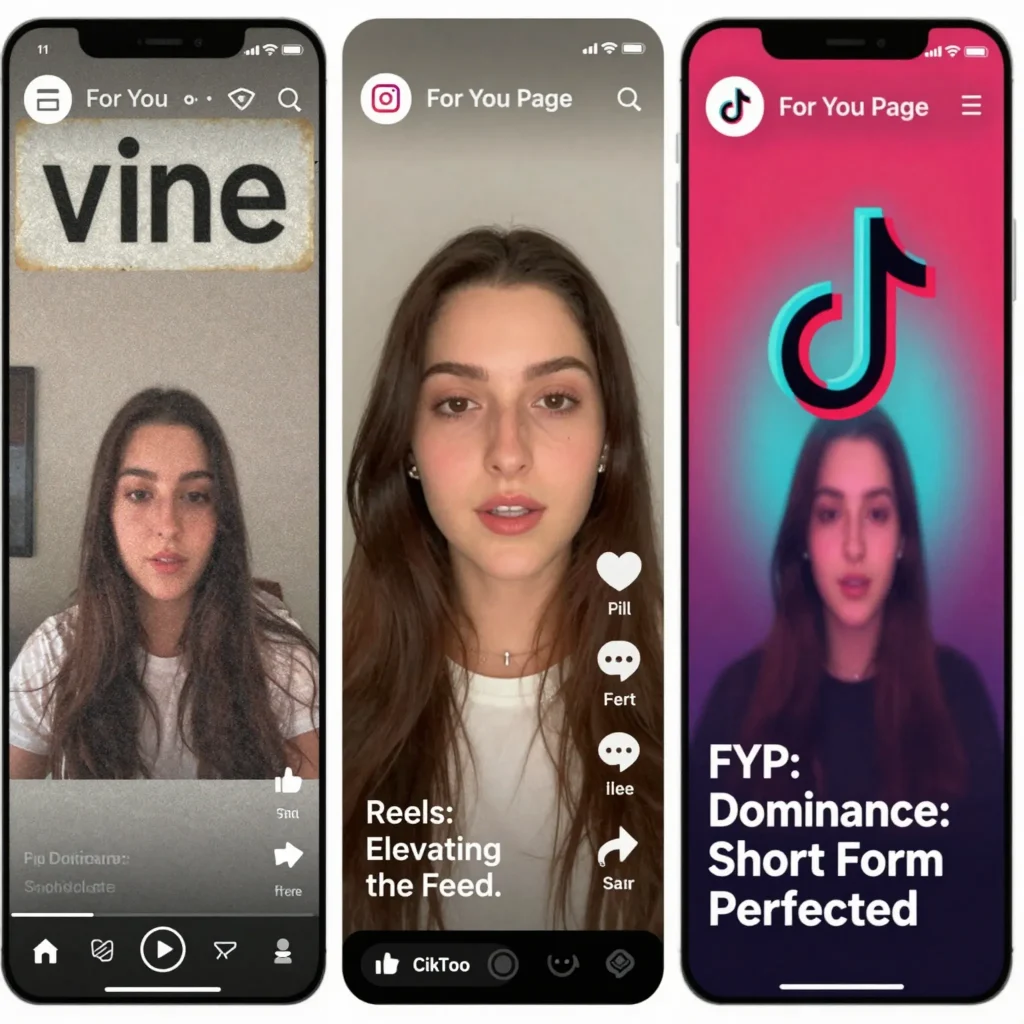
Table: Vine vs Instagram vs TikTok
| Feature | Vine | Instagram Video/Reels | TikTok |
|---|---|---|---|
| Launch Year | 2013 | Video (2013), Reels (2020) | Global launch 2017 |
| Video Length | 6 seconds | Up to 90+ seconds (Reels evolving) | 15 seconds to 10+ minutes |
| Monetization | Limited | Brand partnerships & ads | Creator funds & ads |
| Algorithm | Follower-based | Mixed discovery | AI-driven discovery |
| Editing Tools | Basic | Moderate | Advanced in-app tools |
| Global Scale | Moderate | Massive | Massive |
Read More: Elon Musk Merges SpaceX with xAI to Create a Trillion-Dollar AI Powerhouse
Key Lessons from Vine’s Decline
Vine’s story highlights important lessons for tech platforms:
- Innovation must continue even after early success
- Creators need sustainable income models
- Algorithms shape user engagement
- Platform backing and financial strength matter
- Timing in product evolution is critical
Vine pioneered the format but failed to adapt quickly enough.
The Cultural Legacy of Vine
Even years after its shutdown, Vine remains culturally relevant. Many internet memes, catchphrases, and creators originated there.
Several former Vine stars successfully transitioned to YouTube, Instagram, and TikTok, proving that creator brands can outlive platforms.
Read More: Sunway iLabs and Alibaba Partner to Strengthen AI Startup Ecosystem Across Asia
Frequently Asked Questions
Why did Vine shut down?
Vine shut down due to monetization challenges, declining growth, leadership issues, and increasing competition from Instagram and TikTok.
Who owned Vine?
Vine was acquired and owned by Twitter before its closure.
Did TikTok replace Vine?
TikTok improved and expanded on Vine’s short-video concept with stronger algorithms and monetization features.
Could Vine return?
While discussions have surfaced over the years, Vine has not been relaunched as a mainstream platform.
Conclusion
Vine was a pioneer that changed how we consume short-form video. It proved that six seconds were enough to entertain millions. However, innovation without a sustainable business strategy proved fatal.
Instagram refined the format. TikTok perfected the algorithm.
The fall of Vine reminds us that in tech, being first isn’t enough. The platforms that survive are the ones that evolve.


Pingback: The Decline of Skype: How Zoom and Microsoft Teams Took Over Video Communication - Latest AI/Tech Info
Pingback: Why AOL Failed to Survive the Modern Internet Era - Latest AI/Tech Info