
China EV is Something to Behold — And Honestly, Elon Should Be Worried
Introduction: A Moment on the Shanghai Morning
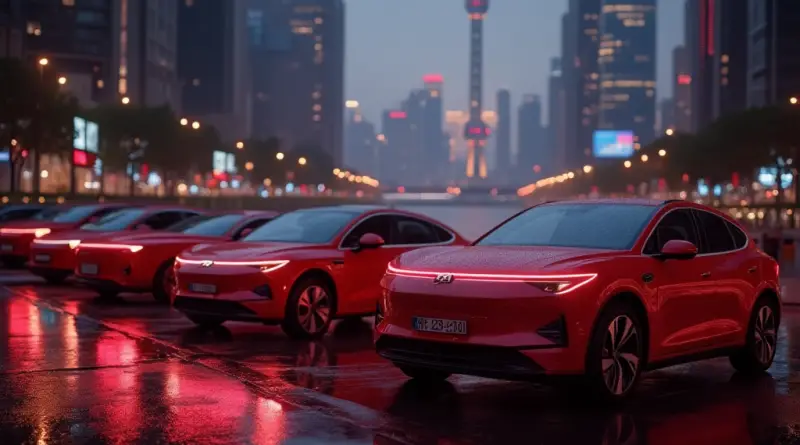
Just before sunrise in Shanghai you can feel the city waking up. A silent stream of sleek vehicles glides along the Bund waterfront. No roar of an engine only the soft hum of electric motors carrying hundreds of commuters to work. Among them a young engineer named Li Wei watches a gleaming sedan from Nio slip past with barely a whisper. She remembers reading about Tesla’s rise and dreaming of working on cutting edge technology. Now she realizes that the future she imagined is happening here in her own backyard and that her nation may well define what electric mobility means in the decades to come.
That moment changed everything for Li Wei and countless others building China’s electric vehicle story. It is a tale of rapid innovation of bold investment and of a market hungry for sustainable change. And for Elon Musk and Tesla this new frontier presents a challenge like no other.
Read More: Let’s Talk About Tesla’s Optimus Because Your New Coworker Might Be a Robot with Abs
The Rise of China Electric Vehicles
China’s shift from gasoline engines to battery powered vehicles has been nothing short of dramatic. Over the last few years the world’s largest auto market has catapulted to the forefront of clean mobility.
- Immense domestic demand Urban air quality concerns government incentives and supportive charging infrastructure have created fertile ground for EV adoption in every tier of city.
- Government backing Subsidies tax breaks and local regulations favoring zero emission vehicles have fueled investment from state owned enterprises and private startups alike.
- Economies of scale Domestic battery cell manufacturing and local supply chains have driven down production costs and sped up time to market.
The result is a vibrant ecosystem where established automakers and fresh challengers race to outdo one another and claim leadership in electric driving.
Innovation at Scale
China’s EV revolution is powered by innovation on multiple fronts
Next Generation Batteries
Battery technology is crucial for range cost and charging speed. Chinese firms are pursuing high nickel chemistry solid state prototypes and even silicon anode research. These breakthroughs promise lighter batteries longer range and faster charging times.
Smart Connected Vehicles
Integration of artificial intelligence and 5G has given rise to smart cockpits voice activated controls and advanced driver assist systems that rival top tier luxury sedans. Over the air updates keep vehicles relevant and add new features long after purchase.
Manufacturing Flexibility
Modular platforms and gigafactories built at lightning pace allow new models to roll off the line in months rather than years. Startups leverage contract manufacturing and share components to minimize capital costs.
Read More: Why are tech stocks so volatile?
What Makes China Electric Vehicles Stand Out
When you compare a handful of the most talked about models from China with vehicles from other regions you see clear patterns
- Affordability Aggressive cost management allows prices that undercut imported EVs by thousands of dollars while still offering rich feature sets.
- Local Customization Models are tailored to regional tastes with vibrant color palettes interior layouts designed for family life and apps that integrate seamlessly with popular super apps.
- Rapid Iteration Short product cycles let manufacturers respond quickly to feedback and refine design performance or software on the fly.
Those qualities create an environment where consumers feel empowered to choose homegrown brands and where global automakers must rethink pricing strategies.
Implications for Elon Musk and Tesla
Elon Musk built Tesla into a synonym for electric vehicles. Yet the China EV wave offers both challenge and opportunity
- Competitive Pressure Lower priced rivals with aggressive feature sets may draw demand away from higher margin models unless Tesla adjusts pricing or value proposition.
- Innovation Arms Race Tesla’s lead in battery tech and autonomous driving faces fresh competition as Chinese firms pour resources into rival technologies.
- Partnership Potential Chinese manufacturers and technology companies could become partners in supply chain expansion advanced materials or software development for Tesla.
- Market Access Tesla’s Shanghai Gigafactory is a strategic anchor but evolving regulations and local contenders mean ongoing adaptation is vital.
Musk has already shown willingness to adapt by opening up Tesla’s patents building factories abroad and embracing new battery formats. Still the Chinese EV surge demands vigilance creativity and nimble decision making.
Read More:10 AI Skills You Must Have to Become Rich in 2025
Frequently Asked Questions
Why are Chinese electric vehicles so affordable
China’s large scale battery cell production local supply chains and government incentives slash manufacturing costs. Combined with streamlined platforms and shared components this enables aggressive pricing that undercuts many imported models.
Are Chinese EVs as reliable as established brands
Reliability depends on brand and model but many Chinese automakers work with tier one suppliers and global partners to meet rigorous quality standards. Independent reviews often rate their build quality and performance alongside long established names.
Can Tesla maintain its lead in autonomous driving
Tesla’s Autopilot and Full Self Driving systems remain industry leaders. However Chinese firms are investing heavily in lidar machine learning and high definition mapping. The race for level four autonomy will be fierce and success will depend on data regulatory approval and consumer trust.
Will Chinese EV brands enter markets outside Asia
Many Chinese EV makers already export to Europe Australia Latin America and parts of Africa. As charging infrastructure grows and trade agreements evolve expect their presence to expand across new regions especially where price sensitivity is high.
How can Elon Musk respond to this competition
Strategy options include local partnerships lowering price points accelerating new battery development expanding software features and exploring joint ventures in emerging markets. Maintaining a reputation for cutting edge innovation and brand prestige will also be key.
Conclusion
China’s electric vehicle movement blends vision capital and technical prowess into a powerhouse driving sustainable mobility forward. For engineers like Li Wei and consumers around the globe this transformation feels dynamic inspiring and inevitable. For Elon Musk and Tesla it presents a call to action to innovate adapt and collaborate.
The story of China EVs is still unfolding. Batteries will get lighter charging will get faster and smart features more intuitive. One thing is certain: this chapter in the electric revolution demands attention respect and curiosity from industry leaders everywhere. The hum along the Shanghai streets is a preview of the electric future and it is nothing short of something to behold.


Pingback: Intel and Softtek Forge Future-Ready Alliance to Supercharge AI Innovation - Newline Tech