
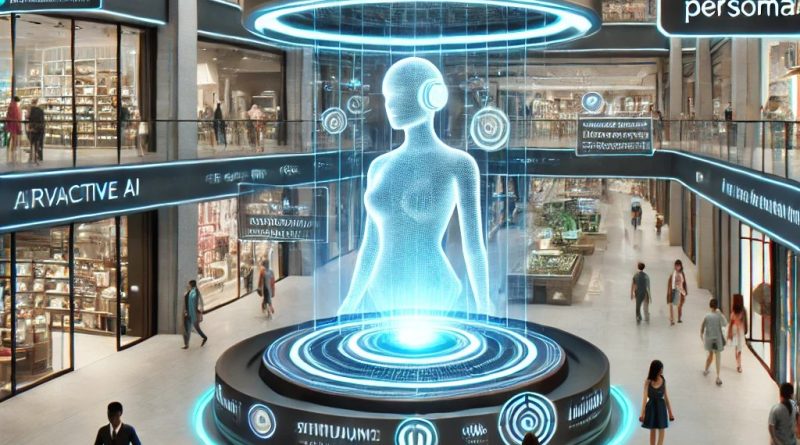
AI: The Future Unveiled or Just Another Tech Hype?
Introduction: A Glimpse Into the AI Revolution
In a dimly lit garage in the late 20th century, a group of engineers huddled around a clunky computer, feeding it data, hoping it would learn. Fast forward to today, AI has evolved into a global phenomenon, shaping industries and daily lives. From self-driving cars to AI-generated art, the question arises: Is AI truly the future, or is it just another overhyped technology destined to disappoint?
To answer this, we must dive into the evolution, applications, promises, and challenges of AI, unraveling whether it is a groundbreaking innovation or merely another tech buzzword.
Historical Context: The Evolution of AI
Artificial Intelligence (AI) is not a new concept. Its origins trace back to ancient myths of automatons—machines built to imitate human intelligence. However, AI as we know it began in the 1950s when Alan Turing proposed the idea that machines could “think.”
Key Milestones in AI Development:
• 1956: The term “Artificial Intelligence” was coined at the Dartmouth Conference, marking AI’s official birth.
• 1960s-70s: Early AI programs like ELIZA (a chatbot) and Shakey the Robot (an autonomous machine) demonstrated AI’s potential.
• 1980s: The rise of machine learning and neural networks fueled AI research.
• 1997: IBM’s Deep Blue defeated chess champion Garry Kasparov, proving machines could outthink humans in specific domains.
• 2010s: The AI boom began with deep learning, powering voice assistants, facial recognition, and self-driving technology.
AI has transitioned from theoretical concepts to real-world applications, raising both excitement and skepticism.
Current Applications of AI
AI is no longer a futuristic fantasy; it is embedded in our daily lives and industries.
1. Healthcare:
AI-driven algorithms diagnose diseases faster and more accurately than humans. IBM Watson and Google’s DeepMind assist doctors in detecting cancer, predicting outbreaks, and personalizing treatment plans.
2. Finance:
Banks and financial institutions use AI for fraud detection, risk assessment, and automated trading. AI-powered robo-advisors help investors manage portfolios with minimal human intervention.
3. Transportation:
Self-driving cars, led by Tesla, Waymo, and Uber, are redefining mobility. AI optimizes traffic management systems, reducing congestion and fuel consumption.
4. Entertainment & Media:
Streaming platforms like Netflix and Spotify use AI to personalize recommendations, while AI-generated content is revolutionizing music, writing, and filmmaking.
5. Manufacturing & Automation:
Factories use AI-driven robots for precision manufacturing, minimizing human error and increasing efficiency.
The integration of AI across industries demonstrates its transformative power, but how does AI development vary across the world?
Read More: How to Monetize AI Agents: A Step-by-Step Guide
Different countries have taken distinct approaches to AI development.
1. United States:
Home to tech giants like Google, Microsoft, and OpenAI, the U.S. leads AI research and innovation. Silicon Valley remains the hub for AI-driven startups.
2. China:
With heavy government investment, China aims to dominate AI by 2030. Companies like Baidu, Alibaba, and Tencent spearhead AI advancements in surveillance, facial recognition, and automation.
3. Europe:
The EU prioritizes ethical AI, focusing on regulations to ensure responsible AI use while advancing research in robotics and automation.
4. Japan & South Korea:
Known for robotics innovation, Japan and South Korea develop AI-powered humanoid robots for healthcare and service industries.
5. Developing Nations:
Countries like India and Brazil leverage AI for agriculture, education, and finance, using AI to bridge economic gaps.
AI development varies globally, but its promises remain universal.
The Promise of AI
AI offers numerous benefits that could redefine society:
1. Increased Efficiency & Productivity
AI automates repetitive tasks, freeing up human creativity for higher-value work.
2. Personalized Experiences
From AI doctors to smart assistants, AI tailors services to individual needs.
3. Scientific & Medical Breakthroughs
AI accelerates drug discovery, disease diagnosis, and climate change solutions.
4. Safer and Smarter Cities
AI-driven urban planning optimizes resources, enhances security, and improves quality of life.
Despite these promises, AI also presents significant challenges.
Read More: How The Application Of AI Can Be Used To Solve Insecurity In Nigeria
Challenges and Concerns
AI’s rise is not without ethical, social, and economic concerns.
1. Job Displacement:
Automation threatens traditional jobs, raising concerns about unemployment and economic disparity.
2. Ethical Dilemmas:
AI bias, surveillance, and privacy invasion challenge fundamental human rights.
3. Misinformation & Deepfakes:
AI-generated content can spread misinformation, manipulating public opinion.
4. Lack of Regulation:
Unchecked AI development raises concerns about misuse in warfare, cybersecurity, and politics.
These concerns fuel debates on whether AI is a true revolution or just another overhyped trend.
Is AI truly transformative, or is it just another tech bubble?
Signs of Genuine AI Innovation:
• AI-powered medical diagnosis saves lives.
• Autonomous vehicles reduce human error in driving.
• AI enhances cybersecurity against cyber threats.
Signs of Overhyped AI:
• Unrealistic promises of AI replacing all human jobs.
• Overreliance on AI without addressing ethical concerns.
• Exaggerated claims about AI achieving human-like consciousness.
AI is not magic—it is a tool that requires responsible use.
The Future of AI: What Lies Ahead?
Experts predict AI will shape the next decade through:
1. AI and Human Collaboration:
AI will enhance, not replace, human intelligence in fields like education, healthcare, and creativity.
2. Ethical AI Development:
Governments and organizations will enforce stricter AI regulations for responsible deployment.
3. General AI Progress:
While today’s AI is narrow (task-specific), researchers aim to develop General AI—machines capable of human-like reasoning.
4. AI for Sustainability:
AI will optimize energy use, combat climate change, and drive green innovations.
The future of AI is promising, but critical questions remain.
Read More: ai tools for study planning and organisation
FAQ
1. Will AI take over human jobs?
AI will automate repetitive jobs but create new opportunities requiring human creativity and problem-solving.
2. Can AI become conscious?
Current AI is far from achieving human-like consciousness; it functions as a sophisticated pattern recognition tool.
3. Is AI dangerous?
AI poses risks, but with proper regulations, it can be controlled and used ethically.
4. How can businesses leverage AI?
Companies can use AI for automation, customer insights, marketing personalization, and fraud detection.
5. What should individuals do to prepare for AI’s impact?
Learning AI-related skills, embracing digital literacy, and adapting to changing job landscapes are crucial.
Conclusion: AI—Revolution or Hype?
AI is neither a doomsday machine nor an overblown fantasy. It is a powerful technology with the potential to revolutionize industries, solve global challenges, and enhance human life. However, its responsible development is key to ensuring AI remains a tool for progress rather than a threat.
As we step into the future, AI’s true potential lies not in replacing humans but in augmenting our capabilities—reshaping our world for the better. The real question isn’t whether AI is the future, but rather: How will we shape AI’s role in our future?