

AI and Cybersecurity in Nigeria: Protecting Digital Assets in a Tech-Driven World
Introduction
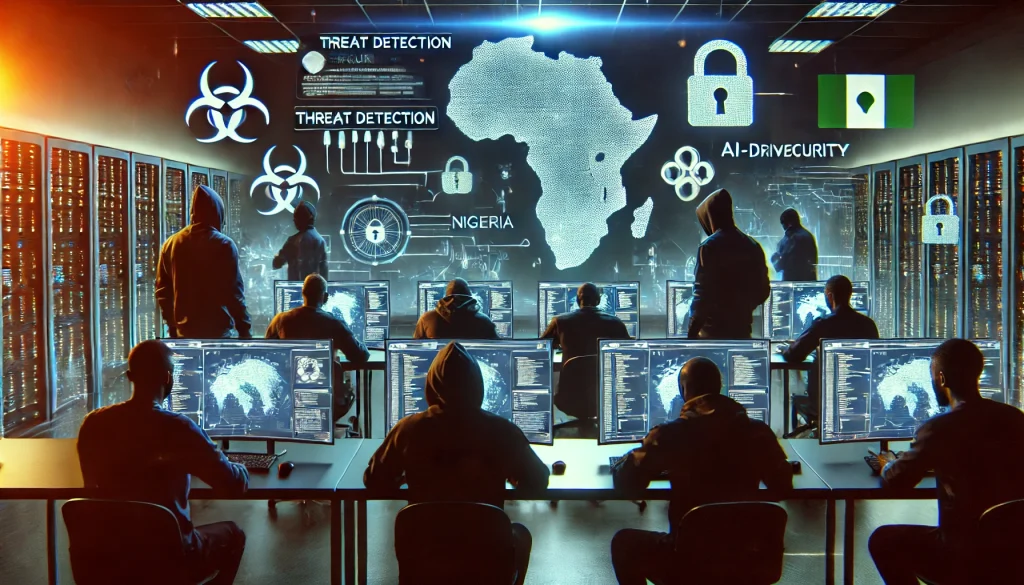
As Nigeria continues its rapid digital transformation, the country faces increasing cybersecurity threats. From financial fraud and data breaches to ransomware attacks, Nigerian businesses, government institutions, and individuals must safeguard their digital assets. Artificial Intelligence (AI) is emerging as a powerful tool in cybersecurity, offering advanced threat detection, automated response mechanisms, and enhanced risk management. This article explores the intersection of AI and cybersecurity in Nigeria, highlighting its significance, challenges, and the way forward.
The Growing Cybersecurity Threat in Nigeria
Nigeria’s digital economy is expanding rapidly, with sectors like fintech, e-commerce, and telecommunications driving growth. However, this digitalization has also made the country a target for cybercriminals. Some common cybersecurity threats in Nigeria include:
- Phishing Attacks: Cybercriminals use fake emails or websites to steal sensitive information, such as banking details and passwords.
- Ransomware: Malicious software encrypts user data, demanding ransom payments for its release.
- Financial Fraud: Nigeria has witnessed a rise in cyber fraud, especially in the banking and fintech sectors.
- Identity Theft: Criminals steal personal information to commit fraud or impersonation.
- Government Cyber Attacks: Hackers target government institutions, compromising sensitive data.
The National Information Technology Development Agency (NITDA) and the Central Bank of Nigeria (CBN) have issued cybersecurity regulations, but the rising volume and complexity of cyberattacks require a more sophisticated approach. This is where AI comes in.

How AI is Transforming Cybersecurity in Nigeria
AI enhances cybersecurity by providing intelligent, real-time threat detection and response. Here’s how AI is revolutionizing cybersecurity in Nigeria:
1. Threat Detection and Prevention
AI-powered systems analyze vast amounts of data to identify unusual patterns and potential threats. Unlike traditional cybersecurity tools that rely on pre-defined rules, AI-driven systems use machine learning to detect new and evolving cyber threats.
For example, Nigerian banks leverage AI to monitor transactions and flag suspicious activities in real time, helping prevent fraud.
2. Automated Incident Response
AI-driven cybersecurity tools can automatically respond to cyber threats, minimizing human intervention. These systems isolate infected devices, block malicious traffic, and contain security breaches before they escalate.
For instance, an AI-based security system in a Nigerian fintech company can detect unauthorized access and shut down compromised accounts before hackers cause damage.
3. Fraud Detection in Financial Services
The Nigerian financial sector is a major target for cybercriminals. AI-powered fraud detection systems use predictive analytics to identify fraudulent transactions by analyzing customer behavior and transaction history.
For example, if a Nigerian customer typically withdraws money in Lagos but suddenly makes multiple withdrawals in another country, the system flags the activity as suspicious and alerts the bank.
4. Enhancing Endpoint Security
With the rise of remote work and cloud-based services, protecting endpoints (such as computers, mobile devices, and servers) is crucial. AI-powered endpoint security solutions continuously scan devices for vulnerabilities and automatically apply security patches.
5. Cyber Threat Intelligence
AI collects and analyzes threat intelligence from multiple sources, such as security reports, social media, and dark web activities. This helps Nigerian organizations anticipate and prepare for potential cyber threats.
For instance, cybersecurity firms in Nigeria use AI to track cybercriminal activities on the dark web and prevent potential attacks on businesses.
6. Biometric Security and Identity Verification
AI-driven biometric authentication (such as facial recognition and fingerprint scanning) is increasingly used to verify identities securely. Nigerian banks and government agencies use biometric verification for secure transactions and national identity management.
7. AI-Powered Security Awareness Training
Human error is one of the leading causes of cybersecurity breaches. AI-driven cybersecurity awareness platforms train employees using simulated phishing attacks and personalized security education, helping Nigerian organizations strengthen their security culture.
Challenges of Implementing AI in Cybersecurity in Nigeria
Despite its benefits, the adoption of AI in cybersecurity faces several challenges in Nigeria:
1. High Implementation Costs
AI-driven cybersecurity solutions require significant investment in infrastructure, skilled personnel, and software. Many small and medium-sized businesses (SMEs) in Nigeria struggle to afford these solutions.
2. Lack of Skilled AI and Cybersecurity Professionals
Nigeria has a shortage of trained AI and cybersecurity experts. Universities and training institutions must expand programs in AI, machine learning, and cybersecurity to meet the growing demand for skilled professionals.
3. Data Privacy and Ethical Concerns
AI-powered security solutions rely on large amounts of data, raising concerns about data privacy and misuse. Nigeria’s Data Protection Act and other regulations must be enforced to ensure ethical AI use.
4. Cybercriminals Using AI
As organizations adopt AI for cybersecurity, cybercriminals are also using AI to launch sophisticated attacks, such as AI-generated phishing emails and deepfake scams. This creates an ongoing cybersecurity arms race.
5. Integration with Legacy Systems
Many Nigerian organizations still rely on outdated cybersecurity systems that may not integrate seamlessly with AI-driven solutions, making adoption challenging.
The Future of AI and Cybersecurity in Nigeria
To strengthen cybersecurity with AI, Nigeria must take the following steps:
1. Government and Industry Collaboration
The Nigerian government, financial institutions, and private sector must collaborate to develop AI-driven cybersecurity frameworks. Public-private partnerships can help fund AI research and deployment.
2. Investment in AI and Cybersecurity Education
Universities and training centers should introduce more AI and cybersecurity courses to build a skilled workforce. Tech hubs and incubators should also support startups developing AI-driven cybersecurity solutions.
3. Strengthening Cybersecurity Regulations
The Nigerian government should enforce cybersecurity laws and ensure organizations comply with data protection regulations. Stricter penalties for cybercriminals will also deter cybercrime.
4. Encouraging AI Adoption in SMEs
Government incentives, grants, and affordable AI-powered cybersecurity solutions should be made available to SMEs, ensuring they can protect their digital assets.
5. AI-Driven Threat Intelligence Sharing
A centralized AI-powered cyber threat intelligence platform should be established to help Nigerian organizations share real-time threat information and respond proactively.
Conclusion
AI is transforming cybersecurity in Nigeria, helping organizations detect threats, prevent cyberattacks, and safeguard digital assets. However, challenges such as high costs, skills shortages, and ethical concerns must be addressed for AI to reach its full potential. By investing in AI-driven cybersecurity measures, Nigeria can strengthen its digital economy, protect critical infrastructure, and ensure a safer cyberspace for businesses and individuals.
The future of cybersecurity in Nigeria depends on how effectively AI is integrated into national security strategies, business operations, and digital policies. With the right investments and regulatory frameworks, AI will play a crucial role in securing Nigeria’s digital future.