

Demystifying AI: Understanding Core Concepts Without Writing a Single Line of Code
Introduction
Artificial intelligence (AI) is rapidly transforming our world, but understanding its core concepts can seem daunting, especially if you don’t have a coding background.
However, AI is more than just lines of code; it’s a set of powerful ideas and techniques that can be grasped without programming knowledge.
This article will guide you through the fundamental AI concepts, providing clear explanations and real-world examples to help you demystify this exciting field.
Get ready to understand the language of AI without needing to write code.
Step 1: Breaking Down the Basics: What is AI?
Definition: AI is the simulation of human intelligence processes by machines, especially computer systems.
Key Goals:
- Automation: Automating tasks that typically require human intelligence.
- Problem-Solving: Developing systems that can solve complex problems.
- Learning: Enabling machines to learn from data and improve their performance.
Real-World Examples:
- Voice assistants (Siri, Alexa)
- Recommendation systems (Netflix, Amazon)
- Image recognition (facial recognition, medical imaging)
Step 2: Core AI Concepts Explained (No Code Required)
Machine Learning (ML):
- Concept: Machines learn from data without explicit programming.
- Analogy: A child learning to identify different types of animals by seeing many pictures.
- Examples: Spam filters, product recommendations.
Deep Learning (DL):
- Concept: A subset of ML that uses neural networks to analyze complex data.
- Analogy: Like the human brain, neural networks consist of interconnected nodes that process information.
- Examples: Image recognition, natural language processing.
Natural Language Processing (NLP):
- Concept: Enabling machines to understand and process human language.
- Analogy: Translating a sentence from one language to another.
- Examples: Chatbots, language translation tools.
Computer Vision (CV):
- Concept: Enabling machines to “see” and interpret images and videos.
- Analogy: Recognizing objects in a photograph.
- Examples: Self-driving cars, facial recognition.
Algorithms:
- Concept: A set of rules or instructions that a computer follows to solve a problem.
- Analogy: A recipe for baking a cake.
- Examples: Sorting lists, searching for information.
Data:
- Concept: The raw material that AI systems use to learn and make decisions.
- Analogy: The ingredients used to bake a cake.
- Examples: Customer data, sensor data, images.
Step 3: Understanding AI through Everyday Examples
Recommendation Systems:
How it Works: AI analyzes your past behavior (e.g., movies you’ve watched) to recommend similar items.
Example: Netflix suggesting movies based on your viewing history.
Voice Assistants:
How it Works: NLP enables voice assistants to understand your spoken commands and respond accordingly.
Example: Asking Alexa to play music or set a reminder.
Navigation Apps:
How it works: AI analyzes real time traffic data, and historical data to provide the fastest routes.
Example: Google maps providing directions and estimated arrival times.
Social Media Feeds:
How it works: AI algorithms analyze your interactions to show you content you are most likely to engage with.
Example: Facebook or twitter showing posts that the AI has determined you will like.
Step 4: Resources for Non-Coders
Online Courses (No Code Required):
- “AI for Everyone” by Andrew Ng (Coursera): Provides a non-technical overview of AI.
- “Elements of AI” by University of Helsinki: Covers fundamental AI concepts in a clear and accessible way.
Books:
- “Life 3.0” by Max Tegmark: Explores the impact of AI on society.
- “Superintelligence” by Nick Bostrom: Discusses the potential risks and benefits of advanced AI.
Documentaries and Videos:
- “The Social Dilemma” (Netflix): Explores the impact of AI-driven social media.
- Many educational youtube channels.
- Podcasts:
- Podcasts that discuss technology and AI often explain concepts in laymans terms.
Step 5: Key Takeaways
- AI is not magic; it’s a set of tools and techniques.
- Data is the foundation of AI.
- AI is used in many everyday applications.
- Understanding AI concepts can help you make informed decisions about technology.
Conclusion
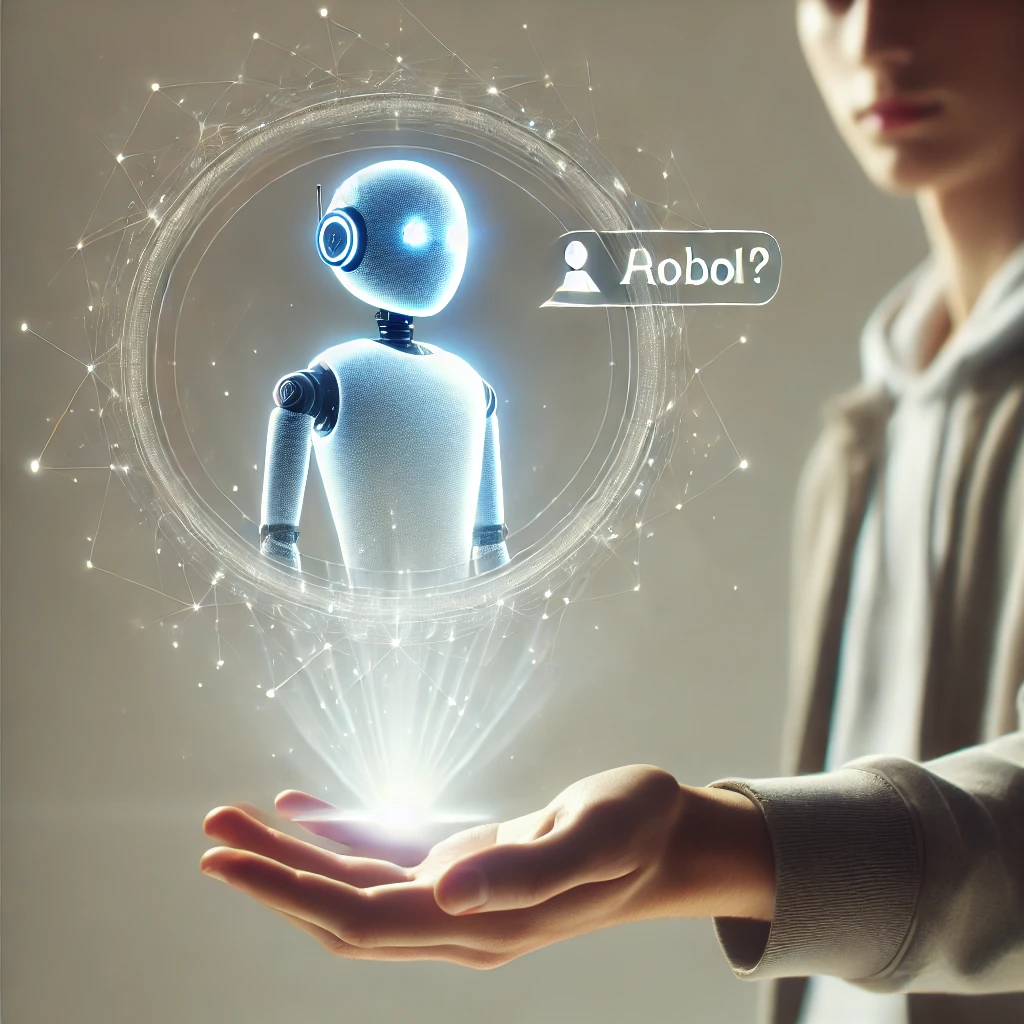
Understanding AI concepts is accessible to everyone, regardless of coding experience.
By grasping the fundamental ideas and exploring real-world examples, you can demystify AI and appreciate its transformative potential.
Start exploring AI concepts today! Check out the recommended resources and engage with AI-related content.
Don’t be afraid to ask questions and seek clarification.
Your journey to understanding AI starts now.


Pingback: GitHub Copilot Is the Coding Sidekick You Didn’t Know You Needed - Newline Tech
Thank you for your sharing. I am worried that I lack creative ideas. It is your article that makes me full of hope. Thank you. But, I have a question, can you help me? https://accounts.binance.com/da-DK/register-person?ref=V3MG69RO
Your point of view caught my eye and was very interesting. Thanks. I have a question for you.