How to Automatically Edit Podcasts and Remove Silence Using Descript AI
Introduction
Editing a podcast used to be one of the most time-consuming parts of content creation. Hours of raw audio had to be trimmed manually, pauses removed, and mistakes corrected. For many creators, this process slowed down production and made consistency difficult.
Today, artificial intelligence is transforming audio editing. With tools like Descript, you can automatically edit podcasts, remove silence, and polish your recordings in minutes.
This innovation is helping podcasters focus more on content creation and less on technical editing.
What Is Descript
Descript is an AI-powered editing platform that allows users to edit audio and video by editing text.
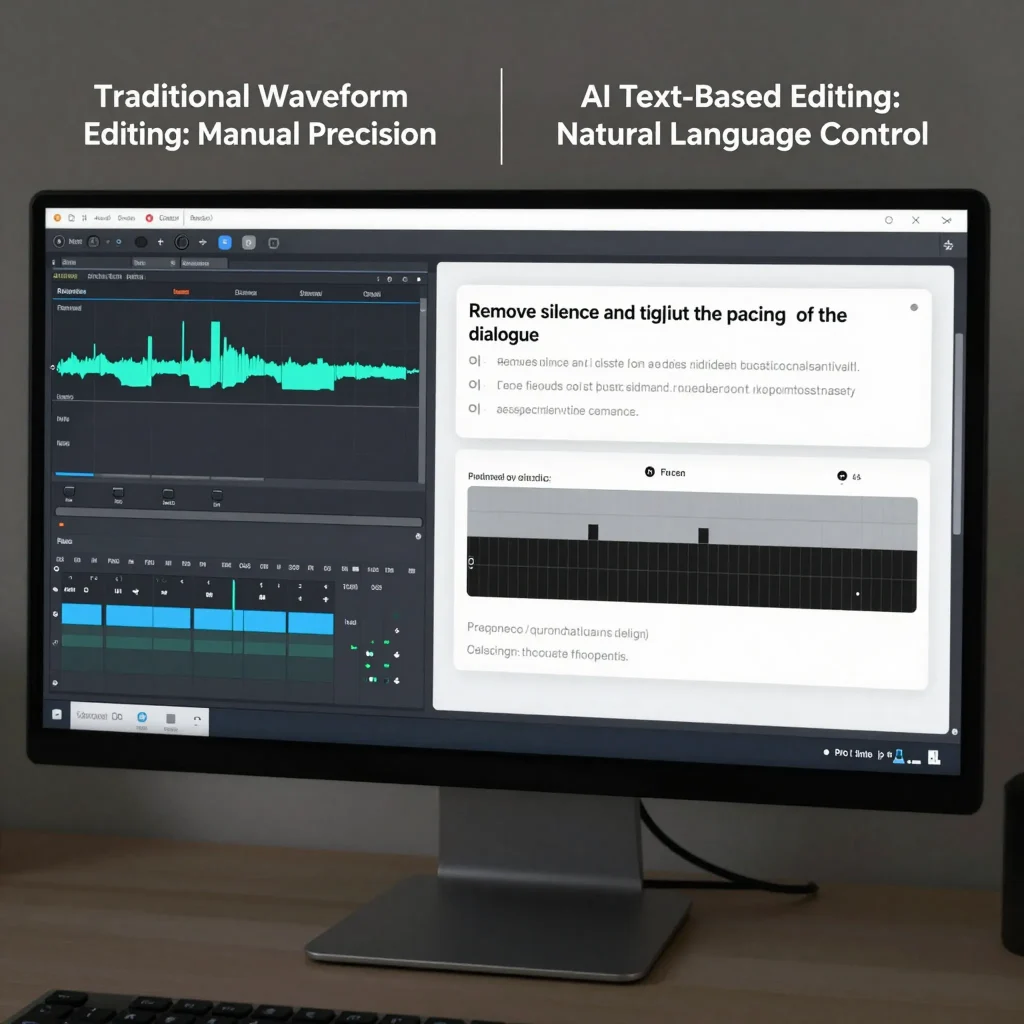
It transcribes your podcast into text, making it easy to cut, rearrange, or remove parts of your recording simply by editing the transcript.
The platform is widely used by podcasters, video creators, and marketers for fast and efficient editing.
Key Features for Podcast Editing
Descript offers several features that simplify podcast editing.
It includes automatic transcription, converting audio into editable text.
The “Remove Filler Words” feature eliminates words like um and ah instantly.
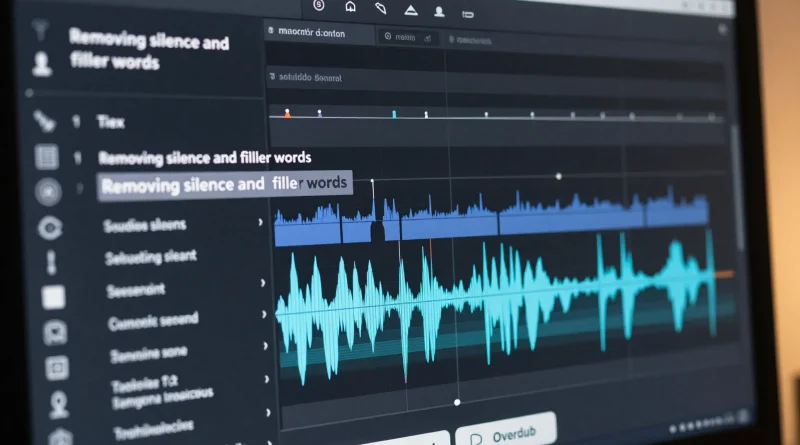
Silence detection allows users to remove long pauses automatically.
It also offers multitrack editing for handling multiple speakers.
Additionally, Descript includes audio enhancement tools to improve sound quality.
These features make it a powerful tool for podcast production.
Read More: How to Create a Powerful Business Website Chatbot Using Botpress AI
Step-by-Step Guide to Editing Podcasts
Editing your podcast with Descript is simple.
Start by uploading your audio file to the platform.
Allow Descript to transcribe the recording automatically.
Review the transcript and delete unwanted sections directly from the text.
Use the silence removal feature to eliminate long pauses.
Apply filler word removal to clean up the conversation.
Enhance audio quality using built-in tools.
Finally, export the edited podcast in your preferred format.
Table: Descript vs Traditional Audio Editing
| Time-consuming process | Key Difference |
|---|---|
| Descript AI | Text based editing and automation |
| Traditional Editing | Manual waveform editing |
| Descript AI | Fast silence and filler removal |
| Traditional Editing | Time consuming process |
Read More: How to Transform Written Notes Into Stunning Presentations Using Tome AI
Best Practices for Clean Podcast Audio
To get the best results, start with a clear recording. Good input improves AI output.
Keep your script or discussion structured to reduce editing time.
Use silence removal carefully to maintain natural flow.
Review the final audio to ensure it sounds natural and engaging.
Combine AI editing with manual tweaks for the best quality.
These practices help create professional-sounding podcasts.
Real World Use Cases
Podcasters use Descript to edit episodes quickly and consistently.
Content creators repurpose podcast audio into videos and social clips.
Marketing teams produce branded podcasts with minimal editing effort.
Educators create clean audio lessons for online courses.
These use cases highlight how AI is simplifying audio production.
Future of AI in Audio Editing
AI editing tools are evolving rapidly. Platforms like Descript will continue to improve in accuracy and automation.
Future updates may include real-time editing, advanced voice cloning, and smarter noise reduction.
As AI becomes more advanced, podcast production will become faster and more accessible to everyone.
Read More: Step-by-Step Guide to Creating Studio-Quality YouTube Voiceovers Using Murf AI
Frequently Asked Questions
Can Descript remove silence automatically?
Yes, Descript can detect and remove silence with just a few clicks.
Do I need editing experience to use Descript?
No, the platform is beginner-friendly and easy to use.
Can I edit audio by editing text?
Yes, Descript allows you to edit audio directly through its transcript feature.
Is Descript suitable for professional podcasts?
Yes, it is widely used for both beginner and professional podcast production.
Conclusion
Editing podcasts no longer needs to be a slow and complicated process. With tools like Descript, creators can automatically remove silence, clean up audio, and produce professional content quickly.
This technology allows podcasters to focus on storytelling and audience engagement while maintaining high production quality.
As AI continues to evolve, audio editing will become even more efficient and accessible.