
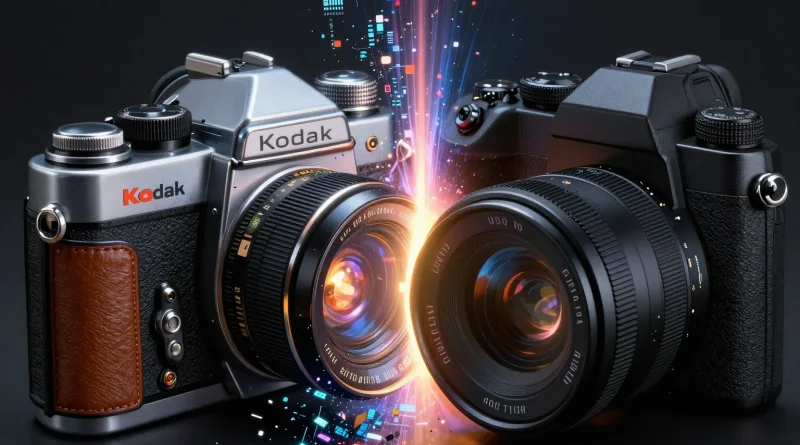
Kodak’s Downfall Explained How a Photography Legend Was Killed by Digital Tech
Introduction
Kodak once defined photography. For decades, its yellow boxes and iconic film rolls captured birthdays, weddings, wars, and history itself. In fact, the word Kodak became almost interchangeable with photography. However, despite inventing the very technology that would shape the future, the company failed to survive it. This is the story of how Kodak created digital photography, feared it, and ultimately lost everything because of it.
In the late twentieth century, Kodak stood at the peak of global dominance. The company controlled most of the film market, earned massive profits from photo processing, and influenced how memories were preserved worldwide. Yet, as technology evolved, Kodak hesitated. That hesitation proved fatal.
How Kodak Became a Global Photography Giant
Kodak was founded in 1888 by George Eastman with a simple mission. You press the button, we do the rest. This idea democratized photography and made it accessible to everyday people. Over time, Kodak built a powerful ecosystem around film, cameras, chemicals, and printing.
By the 1970s and 1980s, Kodak had become one of America’s most valuable companies. It dominated consumer film with products like Kodachrome, and Fujifilm lagged far behind in market share. Most importantly, Kodak’s profits did not come from cameras. Instead, they came from film sales and photo development, a recurring revenue model that worked flawlessly for decades.
The Ironic Invention That Changed Everything
In 1975, a Kodak engineer named Steven Sasson invented the world’s first digital camera. The prototype was bulky, slow, and stored images on a cassette tape. Even so, it worked. This invention should have secured Kodak’s future. Instead, it terrified executives.
Kodak leadership realized that digital photography would eliminate film sales and processing revenue. As a result, they chose to suppress the technology rather than embrace it. Although Kodak continued internal digital research, it never fully committed to leading the digital transition.
Fear of Disruption and Internal Resistance
Kodak’s biggest mistake was not a lack of innovation. It was fear. Executives worried that digital cameras would destroy their core business. Therefore, instead of aggressively pushing digital products, Kodak tried to protect film for as long as possible.
Meanwhile, competitors moved faster. Sony launched the Mavica digital camera. Canon and Nikon invested heavily in digital sensors and professional digital cameras. Later, smartphone makers like Apple and Samsung transformed photography into a software-driven experience.
Kodak, on the other hand, attempted half measures. It released digital cameras but priced them poorly. It invested in printers but failed to differentiate them. Most importantly, it never built a strong digital ecosystem.
Read More: Updates on WhatsApp, Instagram, and TikTok That Will Shock You
How Competitors Overtook Kodak
As digital photography gained traction, Kodak lost relevance rapidly. Canon and Nikon dominated professional photography. Sony pushed sensor technology forward. Apple revolutionized mobile photography with the iPhone, combining hardware, software, and user experience.
While Kodak still focused on hardware, others focused on platforms. Software, image sharing, cloud storage, and mobile integration became the new battlefield. Kodak simply did not adapt fast enough.
Key Strategic Differences Between Kodak and Rivals
| Software-driven photography | Strategy Focus | Outcome |
|---|---|---|
| Kodak | Protect film revenue | Decline and bankruptcy |
| Canon | Invest in digital cameras early | Market leadership |
| Nikon | Focus on professional digital imaging | Long term relevance |
| Sony | Sensor innovation and electronics | Dominant sensor supplier |
| Apple | Software driven photography | Global smartphone dominance |

The Financial Collapse of Kodak
By the early 2000s, film sales began to collapse. Digital cameras became affordable and widespread. Kodak’s revenue dropped sharply. Despite layoffs, restructuring, and asset sales, losses continued to grow.
In 2012, Kodak filed for Chapter 11 bankruptcy protection. The company sold many of its patents, exited consumer photography, and restructured as a smaller business focused on printing and imaging services. The Kodak most people remembered was gone.
Lessons Modern Tech Companies Can Learn From Kodak
Kodak’s downfall offers powerful lessons for today’s startups and tech giants. First, innovation must be embraced even when it threatens existing revenue. Second, timing matters. Being early means nothing if you hesitate. Third, technology shifts often favor platforms over products.
Most importantly, companies must be willing to disrupt themselves before competitors do it for them.
Read More: The Rise and Fall of BlackBerry: How a Smartphone Giant Lost Everything
Frequently Asked Questions
Did Kodak really invent the digital camera
Yes. Kodak engineer Steven Sasson invented the first digital camera in 1975 while working at Kodak.
Why didn’t Kodak dominate digital photography
Kodak feared that digital photography would destroy its film business. As a result, it delayed full adoption and lost market leadership.
Is Kodak still in business today
Yes. Kodak still exists but operates mainly in commercial printing, imaging solutions, and licensing, not consumer photography.
Who replaced Kodak as photography leaders
Companies like Canon, Nikon, Sony, and Apple became the dominant forces in digital photography and imaging.
Could Kodak have survived
Yes. If Kodak had fully embraced digital photography early and built strong software platforms, it could have remained a global leader.
Conclusion
Kodak’s collapse was not caused by ignorance or lack of innovation. Instead, it was caused by fear, hesitation, and loyalty to an outdated business model. The company saw the future clearly but chose not to lead it. In the fast-moving world of technology, standing still can be more dangerous than moving too fast. Kodak learned this lesson too late, and its story remains a warning for every tech company today.


Pingback: Nokia’s Collapse: Inside the Decisions That Cost It the Smartphone War - Latest AI/Tech Info