

Healing in the Digital Age: When AI Listens and Humans Heal
A Quiet Cry in the Night
Samantha sat alone on her bed, the room cloaked in silence except for the hum of her laptop. Her fingers hovered above the keyboard. She had typed, erased, and retyped a single sentence for the last ten minutes: I don’t know what’s wrong with me.
It had been a rough year. The pandemic had robbed her of the closeness she once took for granted. Anxiety crept in quietly, then took root. Talking to friends felt hard. Reaching out to family felt harder. And therapy… well, that felt impossible.
But tonight, she opened a mental health app. A gentle voice greeted her. It wasn’t a human. It was an AI.
To her surprise, it didn’t offer quick-fix advice. It didn’t push her to smile more or remind her to be grateful. It asked thoughtful questions. It listened, patiently. It responded with empathy and logic. For the first time in weeks, Samantha felt seen.
And that’s when the healing began.
The Rise of Digital Healing
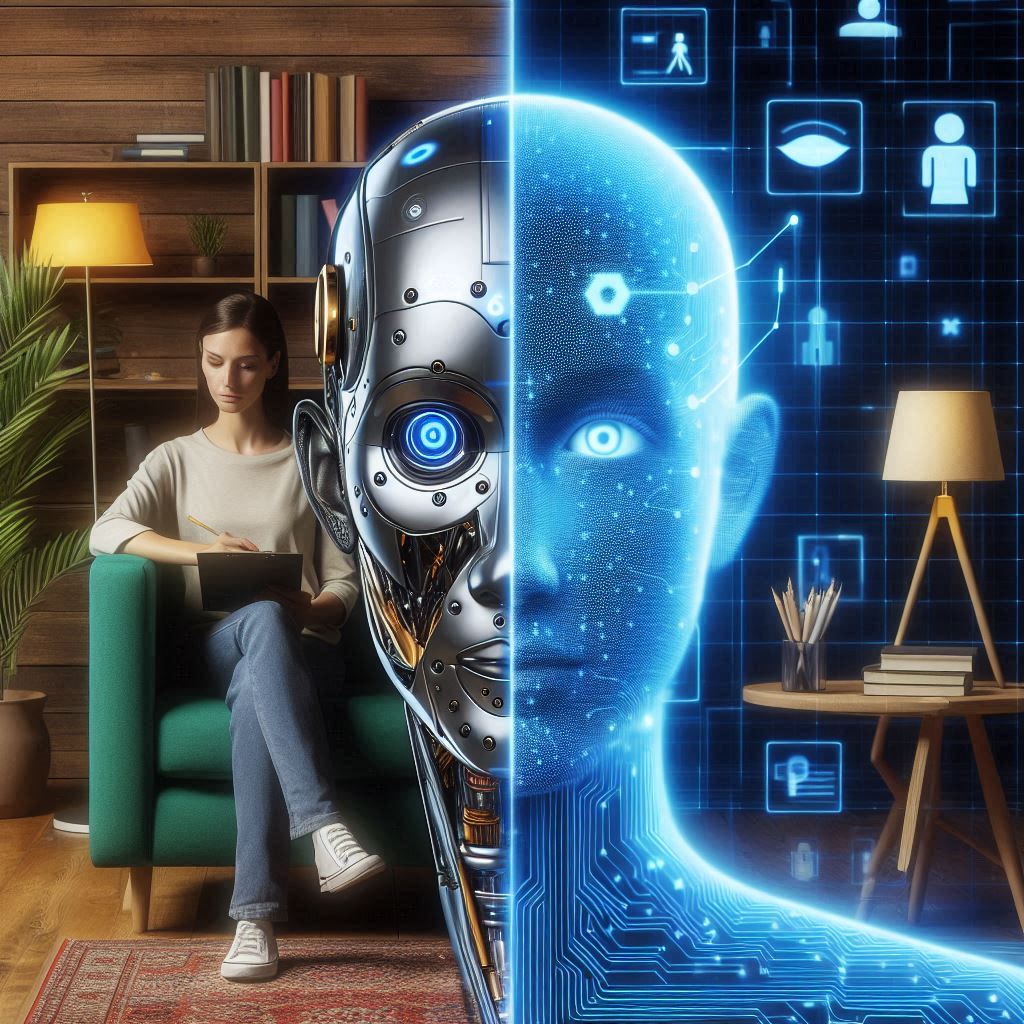
We live in an era where technology shapes how we work, play, learn and increasingly how we heal. The digital age has given rise to a new kind of listener. Artificial Intelligence, once the domain of science fiction, is now showing up in our most human moments. From mental health chatbots to virtual therapists, AI is beginning to play a surprising role in emotional care.
But can a machine truly understand our pain? Can a line of code replace a human shoulder?
The answer is nuanced. AI isn’t here to replace therapists or caregivers. Instead, it’s offering something previously impossible—access, consistency, and comfort when humans aren’t available. And more importantly, it listens. Not with ears, but with intention.
Read More: How to Fund Your Tech Startup in Nigeria
How AI is Revolutionizing Emotional Care
Let’s take a look at some of the real ways AI is stepping into the healing space:
1. AI Chatbots and Mental Health Apps
Apps like Woebot, Wysa, and Youper offer on-demand emotional support. These AI-powered platforms use Natural Language Processing to understand and respond to users in a conversational tone. They can detect signs of depression, anxiety, or stress and offer Cognitive Behavioral Therapy (CBT) exercises based on the user’s needs.
They are not therapists. But they are always available. That makes a difference at 2 a.m. when traditional support is sleeping.
2. AI-Powered Journaling and Emotion Tracking
AI tools now help users track their mood over time. Apps can analyze text entries, tone, and frequency of words to flag concerns or offer trends. Over time, this digital reflection helps individuals gain insight into patterns and triggers.
Imagine a diary that doesn’t just hold your secrets but helps you understand them.
3. Smart Scheduling and Therapeutic Matching
AI also helps match patients to therapists. Using algorithms that analyze personality, history, and therapy styles, these systems improve compatibility and boost therapy outcomes. It’s like a dating app but for healing.
The Power of Listening: When AI Becomes a Mirror
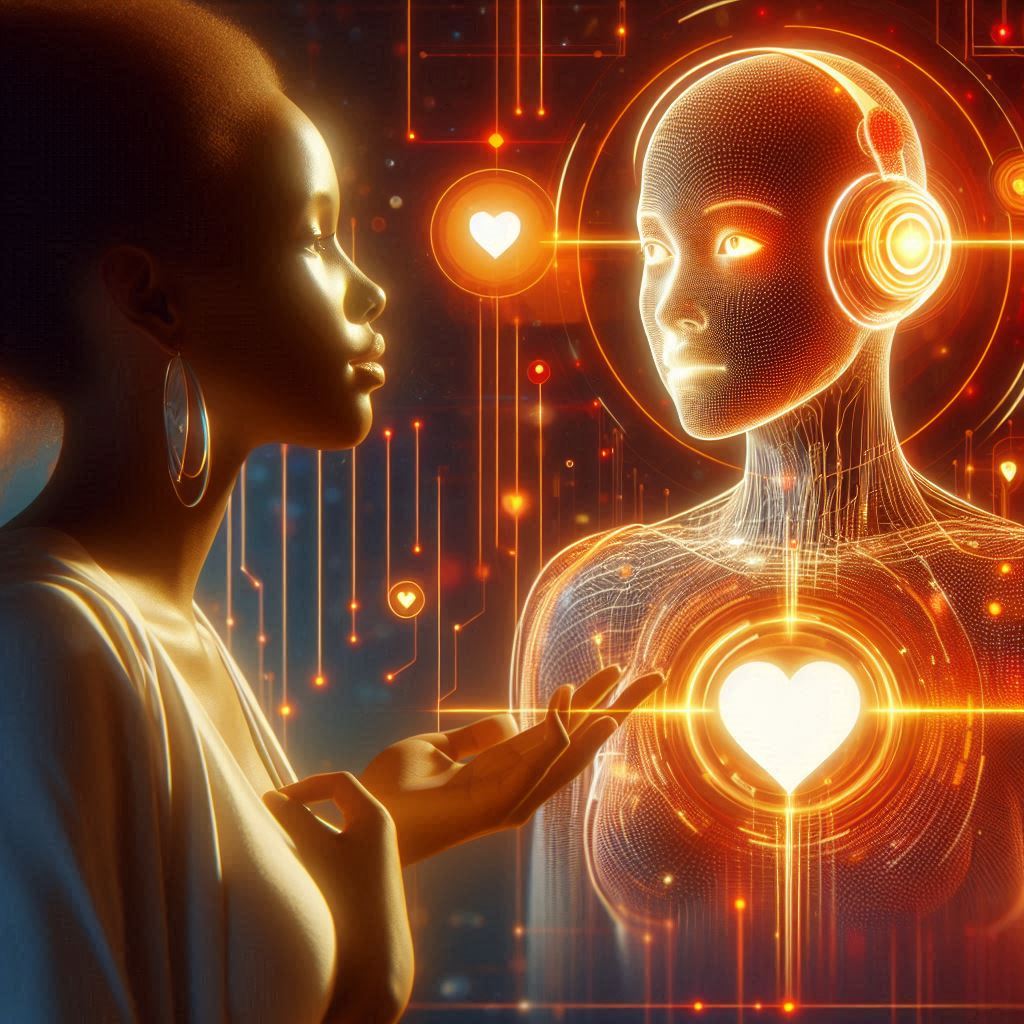
Listening is often the most healing thing we can offer another person. It’s why therapists spend years mastering the art of reflective silence and validating responses. AI cannot replace the warmth of a human being. But it can mimic the structure of good listening.
In fact, many users report feeling a strange comfort talking to a nonjudgmental machine. There’s no fear of stigma. No concern about burdening someone. Just space to speak.
When AI listens, it creates a mirror one that reflects without bias or interruption. That’s powerful, especially for people hesitant to speak aloud their truths.
A Bridge, Not a Replacement
Let’s be clear. AI is not the end goal in healing. It’s the bridge.
In rural areas with a shortage of mental health professionals, AI can step in. For young people who fear judgment, an app might be their first step toward help. For overwhelmed parents, busy professionals, or those navigating trauma, AI can be the support structure they need until human care is available.
AI makes healing more accessible. But healing still belongs to humans.
Read More: Why Tabnine Might Be Your New Favorite Coding Partner in 2025
FAQs
Q: Can AI really understand emotions?
AI doesn’t feel emotions the way humans do, but it can recognize patterns in language that suggest emotional states. Advanced models are trained to respond empathetically and supportively.
Q: Are mental health AI apps safe?
Most reputable apps are built with clinical psychologists and follow data privacy regulations. However, they should never be used as a substitute for emergency or long-term therapy care.
Q: Will AI replace therapists?
No. AI is a tool, not a replacement. It enhances care by providing support between sessions or where care is otherwise inaccessible.
Q: Can I talk to an AI about serious mental health concerns?
If you’re in crisis, it’s best to reach out to a licensed professional or a crisis hotline. AI can support general well-being but isn’t equipped to handle emergencies.
The Future is Empathetic—And Augmented
Healing in the digital age is a tapestry woven with code and compassion. It’s not about AI versus humans. It’s about AI with humans. It’s about technology holding space until we are ready to speak. It’s about the quiet comfort of being heard by something, by anything when the world feels too loud.
In the story of Samantha, and in the stories of millions of users around the globe, we see a glimpse of what’s possible. Not perfection. Not a cure-all. But a step. A breath. A conversation.
In this new age, healing doesn’t start with a prescription. It starts with a whisper.
And sometimes, even when it’s AI that’s listening, that whisper is enough.


Pingback: The Apple, the Alchemist, and the Truth: What Isaac Newton Actually Invented - Newline Tech