

AI in Banking: Transforming Finance with Smart Innovation
Introduction
The banking industry is undergoing a seismic shift, driven by artificial intelligence (AI). What was once a sector defined by human expertise, paper-based processes, and long queues is now being transformed by AI-powered automation, predictive analytics, and advanced customer experiences.
AI in banking is not just about chatbots and fraud detection; it is revolutionizing financial services at every level, from personalized banking to risk assessment and regulatory compliance. This article explores how AI is reshaping the banking landscape, its key applications, benefits, and the challenges that come with its adoption.
The Role of AI in Banking
AI is redefining the banking experience by improving efficiency, security, and decision-making. Banks leverage AI to streamline operations, analyze massive amounts of data, and provide smarter financial solutions. Here’s how AI is making an impact:
1. Automated Customer Service & Chatbots
Traditional banking customer service often involves long wait times and human limitations. AI-powered chatbots and virtual assistants are changing that by providing 24/7 support. Advanced AI systems, such as Natural Language Processing (NLP)-enabled chatbots, can:
- Answer customer queries in real-time
- Assist with transactions and account management
- Provide financial advice based on customer spending habits
Popular AI-driven banking assistants like Erica (Bank of America) and Eno (Capital One) have set new standards for customer interaction.
2. Fraud Detection & Cybersecurity
Banks deal with billions of transactions daily, making them prime targets for cybercriminals. AI enhances security through:
- Real-time fraud detection: AI algorithms analyze patterns and flag suspicious activities instantly.
- Biometric authentication: Facial recognition and voice authentication reduce identity fraud.
- Predictive security measures: AI forecasts potential security threats before they occur.
AI-driven fraud detection systems, like Mastercard’s Decision Intelligence, help prevent financial crime and protect customers.
3. Personalized Banking & Financial Planning
AI empowers banks to offer hyper-personalized services based on user behavior. By analyzing transaction history, spending patterns, and financial goals, AI-driven platforms can:
- Recommend investment opportunities
- Create personalized saving plans
- Send proactive spending alerts
Robo-advisors, such as Betterment and Wealthfront, use AI to provide tailored financial planning without the need for human intervention.
4. Loan & Credit Risk Assessment
Traditionally, loan approvals involved tedious paperwork and manual credit evaluations. AI is now streamlining this process by:
- Analyzing alternative data sources (social media activity, utility bill payments)
- Assessing creditworthiness with machine learning models
- Reducing bias in lending decisions
AI-powered credit scoring models, like those used by Upstart and Zest AI, offer faster and fairer loan approvals.
5. Algorithmic Trading & Investment Banking
Financial institutions rely on AI-driven trading algorithms to execute trades with precision and speed. AI helps by:
- Analyzing vast amounts of market data
- Predicting stock movements
- Automating trading decisions based on real-time insights
Firms like JPMorgan Chase and Goldman Sachs have integrated AI into their trading desks to gain a competitive edge.
6. Regulatory Compliance & Risk Management
Regulatory compliance is a major challenge for banks, with strict guidelines and ever-evolving regulations. AI simplifies compliance by:
- Automating document verification and regulatory reporting
- Identifying potential compliance risks through AI-driven audits
- Enhancing Anti-Money Laundering (AML) processes
RegTech (Regulatory Technology) firms, such as Ayasdi and Feedzai, use AI to help banks stay compliant and avoid hefty fines.
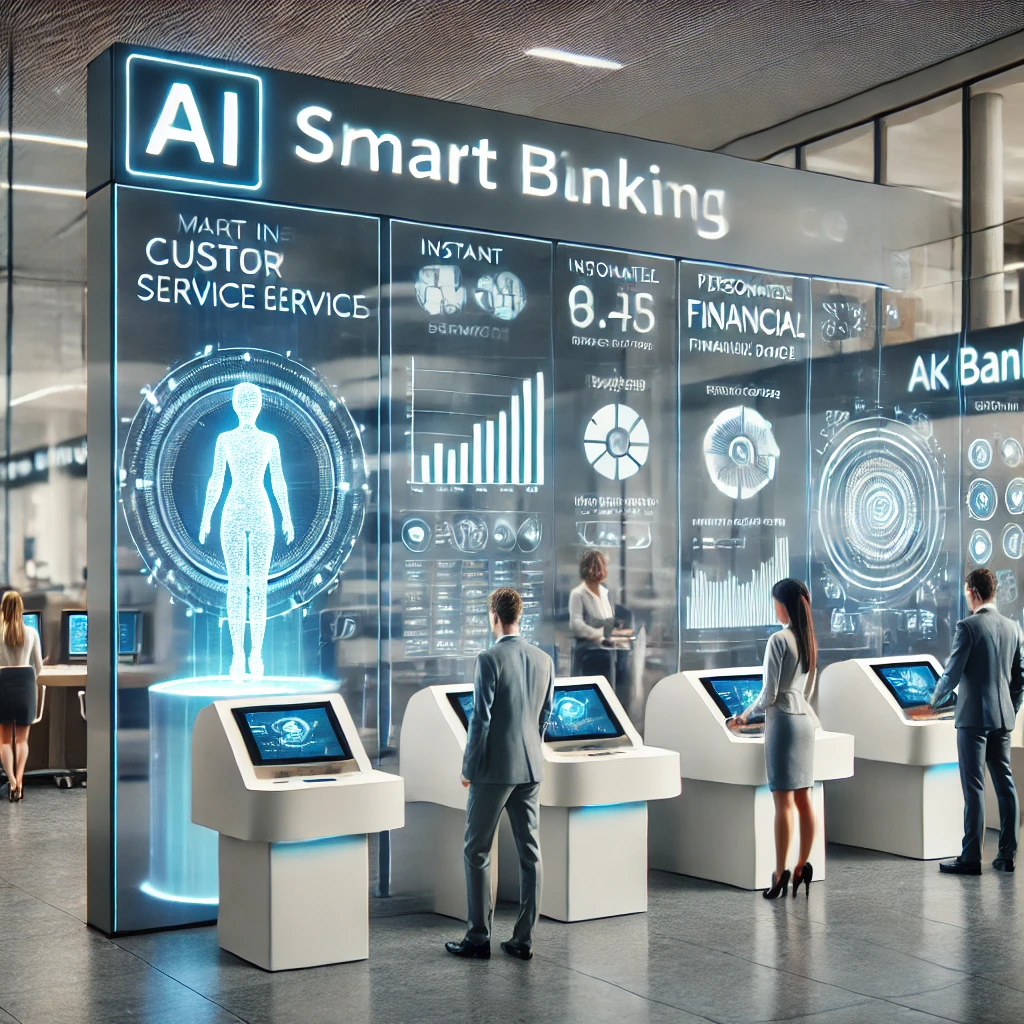
Benefits of AI in Banking
The integration of AI into banking offers numerous advantages:
Enhanced Efficiency: AI automates repetitive tasks, reducing operational costs and improving service speed.
Improved Security: AI-driven fraud detection minimizes financial losses and strengthens cybersecurity.
Better Customer Experience: AI chatbots and personalized banking create a more engaging customer journey.
Smarter Decision-Making: Predictive analytics helps banks make data-driven financial decisions.
Cost Savings: AI reduces the need for manual processing, lowering overhead costs for banks.
Greater Financial Inclusion: AI-driven lending models provide credit access to underbanked populations.
Challenges & Risks of AI in Banking
Despite its advantages, AI in banking comes with challenges:
Data Privacy Concerns: AI relies on vast amounts of data, raising concerns about data security and privacy breaches.
Bias in AI Models: Poorly trained AI models can perpetuate biases, leading to unfair loan approvals and credit scoring.
Regulatory Uncertainty: As AI adoption grows, governments are still catching up with appropriate regulations.
Job Displacement: Automation in banking may lead to workforce reductions, impacting employees in traditional roles.
High Implementation Costs: AI adoption requires significant investment in infrastructure and expertise.
Banks must address these challenges through ethical AI practices, transparent algorithms, and compliance with global data regulations.
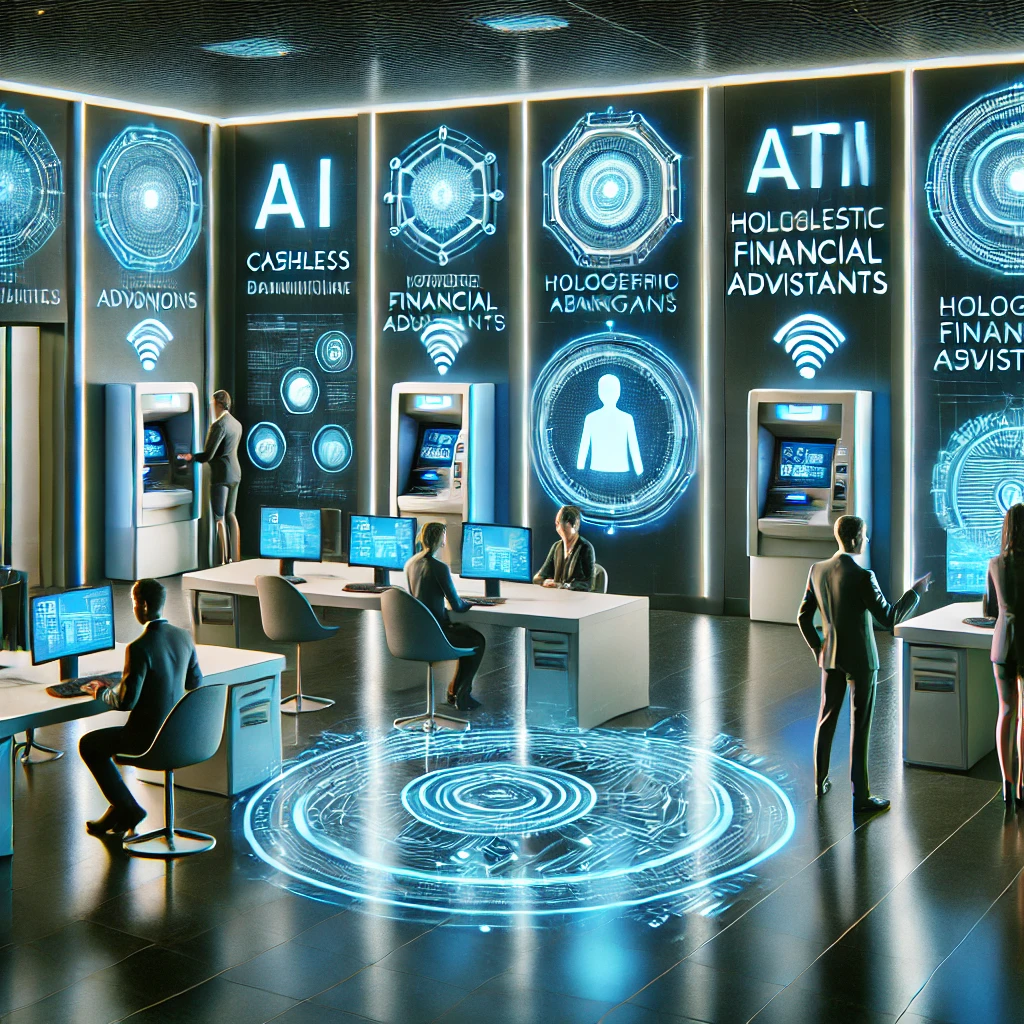
The Future of AI in Banking
The future of banking will be shaped by AI-driven innovation. Emerging trends include:
➡ AI-Powered Voice Banking: Voice recognition will allow customers to perform transactions through voice commands.
➡ Quantum Computing & AI: Advanced AI models using quantum computing will enhance risk analysis and fraud detection.
➡ Decentralized Finance (DeFi) & AI: AI will integrate with blockchain-based financial services, creating smart contracts and automated transactions.
➡ AI-Driven Hyper-Personalization: Banks will use AI to create even more tailored financial solutions based on real-time customer behavior.
As AI technology advances, banks that embrace innovation will thrive, offering smarter, safer, and more efficient financial services.
Conclusion
AI is revolutionizing the banking industry, driving efficiency, security, and personalization in financial services. From fraud detection and automated trading to personalized banking and regulatory compliance, AI is reshaping the way banks operate.
However, challenges like data privacy, AI bias, and regulatory concerns must be addressed to ensure ethical and responsible AI implementation.
As AI continues to evolve, banks that leverage its potential will gain a competitive edge, providing customers with seamless, secure, and intelligent banking experiences.
The future of banking is AI-driven—smarter, faster, and more customer-centric than ever before.
Is Your Bank Ready for the AI Revolution?
As AI reshapes the financial industry, banks must embrace innovation to stay ahead. Whether you’re a banking professional, investor, or customer, understanding AI’s impact is crucial for navigating the future of finance.
What are your thoughts on AI in banking? Share your insights in the comments!



Pingback: Free AI Tools for Generating Website Design Mockups Quickly: From Idea to Interface in Minutes - Newline Tech