
How Netflix Leveraged Data and Technology to Become a Global Streaming Giant
Introduction
In the early 2000s, renting movies meant trips to local video stores and flipping through dusty shelves. Few could imagine a future where every film or series would be available at the click of a button. That future arrived with Netflix.
What started as a DVD rental service quickly evolved into a streaming powerhouse. Behind its meteoric rise lies not just clever marketing but a deep reliance on data and cutting-edge technology. Every recommendation, every original series, and every viewing experience is powered by analytics designed to captivate audiences worldwide.
Netflix’s story is a blueprint for how technology and data can transform an industry and create a global entertainment empire.
The Role of Data in Netflix’s Growth
Data is the backbone of Netflix’s strategy. Every click, pause, and rewind is collected and analyzed to understand user behavior.
By studying viewing habits, Netflix identifies what genres, actors, or formats resonate with specific audiences. This insight guides decisions on which shows to produce or license.
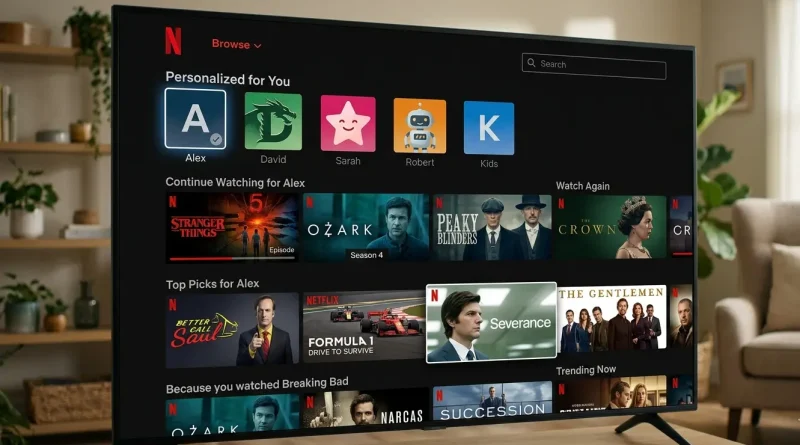
The recommendation engine, arguably Netflix’s most famous tool, uses sophisticated algorithms to personalize content for each user. This keeps viewers engaged longer and reduces churn.
Data is also used in marketing campaigns. Ads, notifications, and suggestions are tailored based on viewing patterns, increasing the likelihood of user engagement.
Technology That Powers Netflix
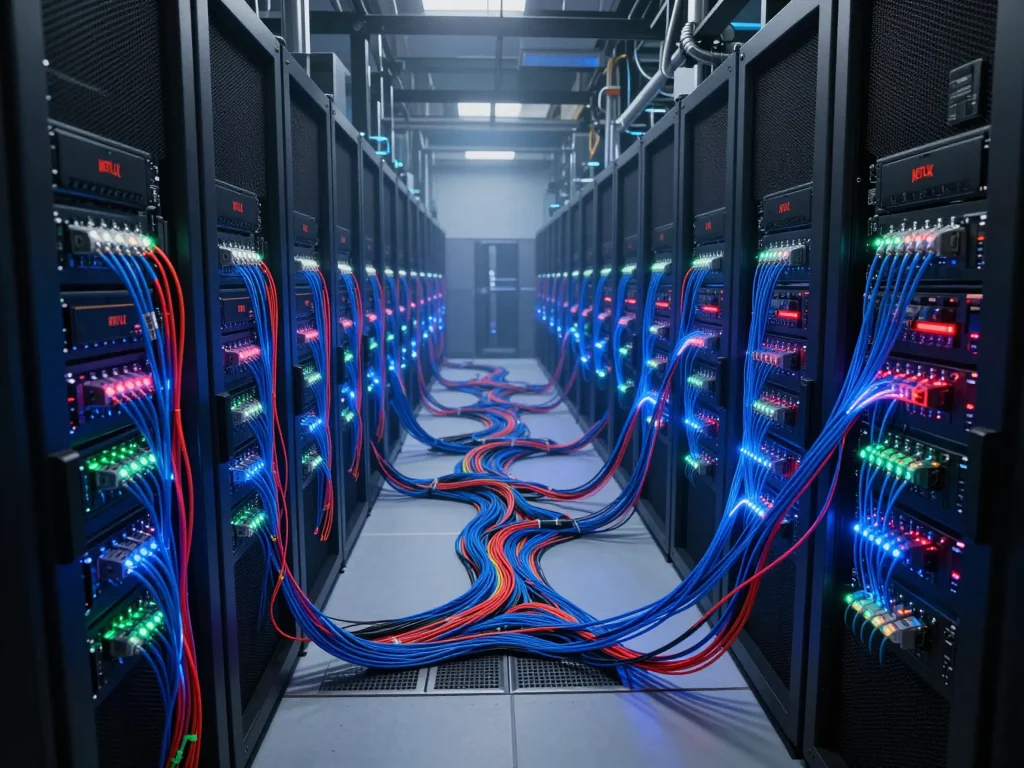
Netflix relies on advanced technology to deliver content reliably to millions of users. Its cloud infrastructure allows seamless streaming across devices, whether smartphones, smart TVs, or tablets.
The company also invests heavily in compression algorithms and adaptive streaming technology. This ensures high-quality video even in areas with limited internet speed.
On the production side, Netflix uses AI and machine learning to analyze scripts, forecast success, and optimize release strategies. Data-driven production helps reduce risk and focus investment on content likely to perform well.
Read More: Why Nokia Dominated Mobile Phones Before the Smartphone Era
Table: Key Netflix Technologies and Their Functions
| Technology | Function |
|---|---|
| Recommendation Algorithm | Personalized content suggestions |
| Cloud Infrastructure | Reliable global streaming |
| Adaptive Streaming | High-quality video on varying bandwidth |
| AI Analytics | Forecasting content success |
| Data Tracking | Understanding user preferences and behavior |
Read More: Why AOL Failed to Survive the Modern Internet Era
Data-Driven Content Decisions
Netflix’s approach to content is highly analytical. For instance, the decision to invest in shows like “Stranger Things” or “The Crown” involved analyzing potential audience interest, viewing habits, and global trends.
Beyond original content, data helps determine licensing priorities. Shows and movies that appeal to specific demographics or regions are identified through viewing data, ensuring the catalog aligns with audience demand.
By combining analytics with creative insights, Netflix produces content that feels both unique and universally appealing.
Global Expansion and Personalization
Netflix’s global reach depends on both technological infrastructure and cultural data insights. Each market receives localized recommendations, subtitles, and dubbing options.
Data also informs regional content creation. Shows like “Money Heist” or “Squid Game” were produced with insights into local and global audience preferences. The combination of local appeal and international accessibility drives subscriber growth worldwide.
Streaming metrics guide release timing, episode length, and even marketing messages tailored to regional preferences. This precision gives Netflix a competitive edge in global entertainment.
Read More: The Decline of Skype: How Zoom and Microsoft Teams Took Over Video Communication
Frequently Asked Questions
How does Netflix’s recommendation engine work
Netflix uses machine learning algorithms to analyze user behavior. It predicts what each individual is likely to watch next and tailors suggestions accordingly.
Why is data so important to Netflix
Data informs every decision, from content creation to marketing. It reduces risk and ensures viewers see content they are likely to enjoy.
How does Netflix maintain high streaming quality
Netflix relies on cloud infrastructure, adaptive streaming, and advanced compression technology to provide smooth playback across devices and bandwidth conditions.
Can Netflix’s model be replicated by other companies
While other companies can use similar technology, Netflix’s success comes from the combination of deep analytics, global strategy, and original content production.
Conclusion
Netflix’s global streaming empire was built not just on compelling shows but on the intelligent use of data and technology.
From personalized recommendations to strategic content creation and seamless global delivery, every decision is backed by insights and innovation.
For businesses and creators, Netflix demonstrates the power of combining analytics with creativity. Its model shows that understanding users deeply and investing in technology can transform an industry and achieve worldwide influence.



Pingback: How Amazon Uses Advanced Logistics Technology to Power One of the World’s Fastest Delivery Networks - Latest AI/Tech Info
Pingback: How SpaceX Is Revolutionizing Global Internet Access Through Starlink Satellite Technology - Latest AI/Tech Info