

New Tech Trends That Are Reshaping The Future
The World Tomorrow: A Journey Through Emerging Technologies with Obi
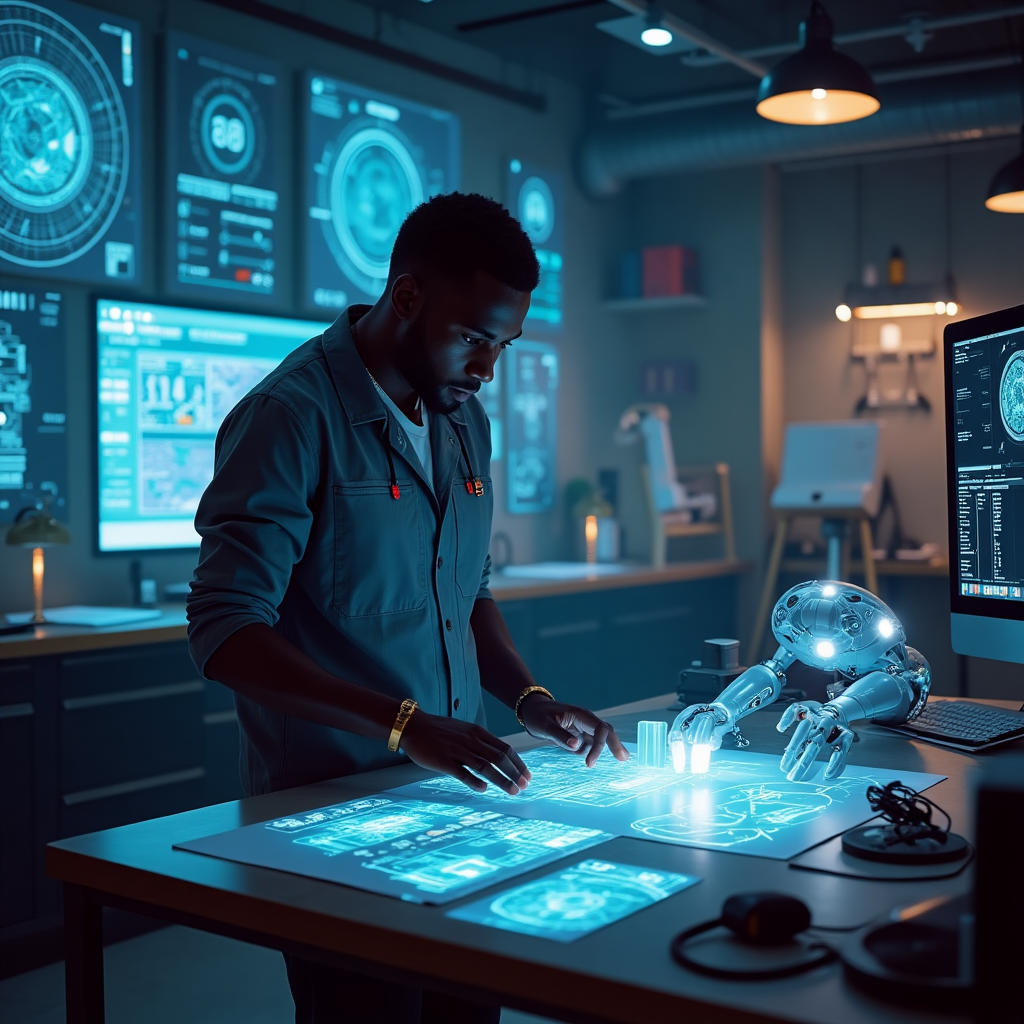
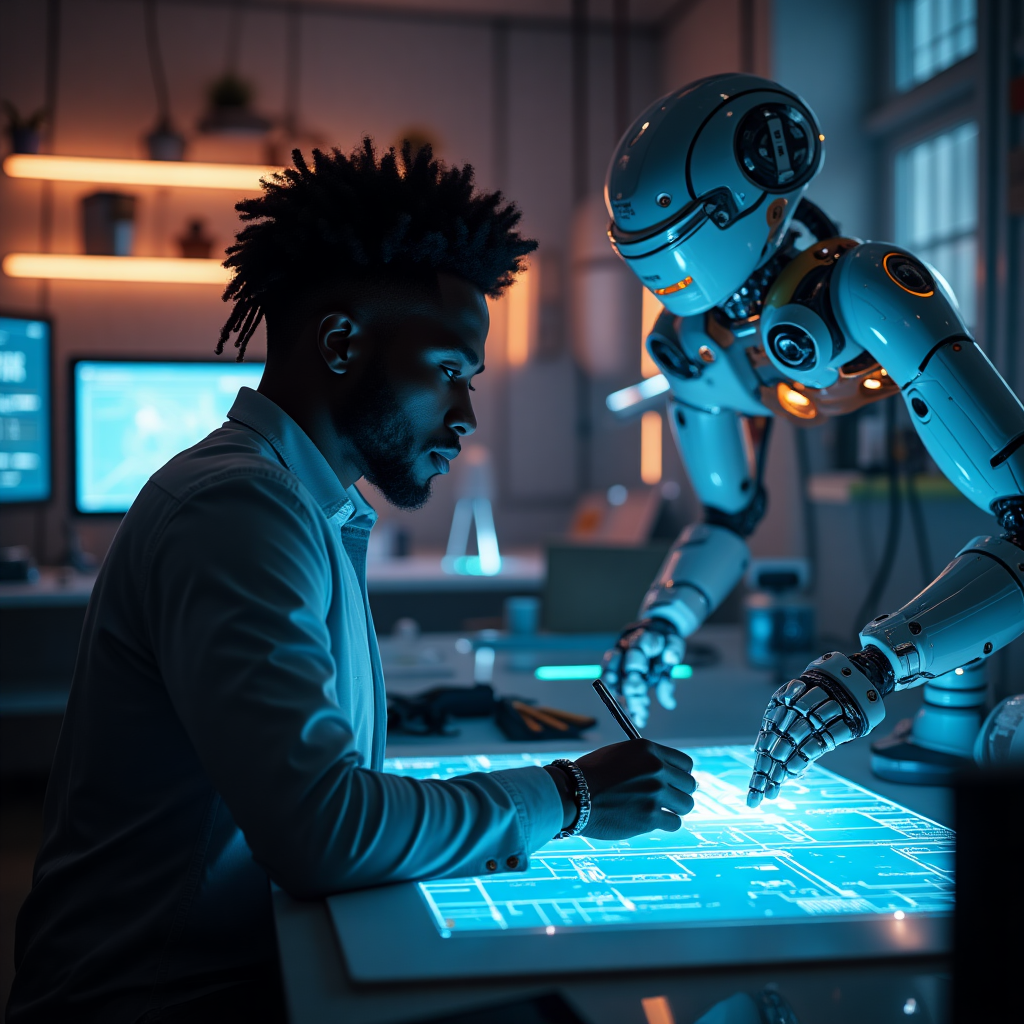
Once upon a time, in a bustling workshop nestled between glass towers and humming servers, a young inventor named Obi sketched his vision of the world fifty years from now. By the glow of his holographic desk lamp, he imagined cities powered by intelligent grids, doctors healing at the cellular level with nanobots, and explorers charting distant planets with autonomous fleets. That night, as neon lights danced on rain-slicked streets, Obi realized that tomorrow’s wonders are not born in a single moment. They emerge through steady innovation, each idea building upon the last, like threads in a vast tapestry of human ingenuity.
In this guide, we will journey through twenty groundbreaking technology trends that are shaping our future. Obi will be our storyteller and test pilot, exploring each innovation both in his workshop and beyond. Whether you are a curious reader, an industry leader, or a budding entrepreneur, prepare to discover the forces driving our next era of progress and see how Obi brings these visions to life, one experiment at a time.
Read More: How AI is Transforming the Hospitality Business
Quantum Computing
Obi observed qubits shifting states in his cryogenic chamber. Quantum computing holds the potential to solve problems that classical computers cannot handle. From unbreakable encryption to discovering new materials for solar panels, this technology is transformative. Obi’s experiments aim to simulate molecular structures in minutes, revolutionizing drug discovery.
Artificial General Intelligence
In his lab, Obi trained a prototype AGI to learn board games from scratch. This form of intelligence adapts to various tasks much like the human mind. Soon, his creation was writing simple stories and composing music. Obi envisions a future where AGI collaborates with engineers and artists, unlocking creativity on a new scale.
6G and Beyond
High atop a city tower, Obi tested a wearable 6G antenna that streamed holographic video without delay. This next-generation network will provide terabit speeds and near-zero latency. He imagines surgeons operating from miles away and students learning in lifelike virtual classrooms, all powered by these ultra-fast connections.
Internet of Everything
Back at his workbench, Obi connected everyday appliances—his coffee maker, air purifier, and recycling bin into a unified Internet of Everything system. By analyzing data from each device, he optimized energy usage and reduced waste. Scaling this concept, entire cities can become smarter and more efficient.
Edge and Fog Computing
Obi installed an edge processor in his autonomous rover, enabling it to navigate obstacles instantly. Edge and fog computing bring data processing closer to the source, reducing latency and bandwidth demands. This allows machines in factories or farms to make decisions without waiting on distant servers.
Extended Reality
Wearing a sleek headset, Obi entered a virtual lab where he assembled machinery using only gestures. Extended Reality blends augmented and virtual environments, revolutionizing training, design, and collaboration. His simulations let him refine ideas before any physical parts are built.
Digital Twins
Obi created a digital twin of his workshop, capturing real-time data from each machine. These virtual models allow engineers to run stress tests, predict maintenance, and simulate upgrades without halting operations.
Blockchain Evolution
He tracked each ordered component using an energy-efficient blockchain ledger. Today’s blockchain systems go beyond cryptocurrencies, offering speed, low power consumption, and seamless integration. Manufacturers can now verify parts and eliminate fraud across the supply chain.
Biotech and Synthetic Biology
Under sterile lab lights, Obi engineered microbes to produce biodegradable plastics. By leveraging gene editing tools like CRISPR, he explores ways to reduce pollution, develop new medicines, and create sustainable food sources.
Nanotechnology
Using atomic force microscopes, Obi tested nanoparticles that deliver medicine precisely to affected cells. Nanotechnology enables ultra-strong materials, miniature sensors, and therapies that reduce side effects by targeting only diseased areas.
Read More: 10 AI Skills You Must Have to Become Rich in 2025
Autonomous Mobility
One morning, Obi launched a self-driving shuttle onto the city streets. These systems promise safer travel, reduced traffic, and convenient, on-demand transit. His shuttle dynamically mapped neighborhoods and learned to navigate complex urban scenarios.
Brain-Computer Interfaces
Collaborating with neuroscientists, Obi experimented with a non-invasive interface allowing users to control robotic limbs with their thoughts. Such breakthroughs can restore mobility for patients and create new ways to interact with technology.
Green Hydrogen
Using rooftop solar panels, Obi powered an electrolysis unit to produce green hydrogen. This clean fuel, when used in fuel cells, releases only water. It offers a sustainable solution for powering heavy vehicles and industries.
Space Technologies
Working with peers, Obi designed a compact module for manufacturing in space. As launch costs fall and reusable rockets rise, space becomes a viable setting for research, asteroid mining, and habitat construction beyond Earth.
Zero Trust Security
To protect his connected systems, Obi implemented a zero trust model that continuously verifies all devices and users. With cyber threats growing, this security approach is vital for protecting digital infrastructure.
Decentralized Finance
Obi experimented with a DeFi protocol that allowed IoT devices to exchange computing power for small payments. Decentralized finance provides transparent, global access to services like lending and insurance, transforming traditional banking.
Metaverse Platforms
Obi hosted a virtual open house in his digital workshop. These immersive spaces are evolving into hubs for collaboration, education, and commerce, merging physical and digital realities.
Sustainable and Circular Tech
In a bid to eliminate waste, Obi designed modular gadgets that can be easily repaired or recycled. Circular technology extends product lifecycles and reduces environmental impact by rethinking design from the ground up.
Human Augmentation
Fitting a colleague with an exoskeleton prototype, Obi demonstrated how machines can enhance human strength. Human augmentation through robotics and advanced prosthetics offers improved mobility and new physical capabilities.
Adaptive and Generative Design
Obi used an AI system that generated thousands of design variations based on performance goals. Adaptive design tools help inventors discover the most efficient solutions faster than ever before.
Read More: The Best Tech Jobs for 2030
Frequently Asked Questions
What technology should businesses prioritize first?
Start with innovations that align with your industry and goals. For manufacturing, digital twins and edge computing can offer quick returns. Service sectors may benefit from AI-driven personalization and faster networks.
How can individuals prepare for the changing job market?
Focus on lifelong learning. Take online courses in data science, AI, and blockchain. Like Obi, building hands-on projects helps develop practical skills that are in high demand.
What are the main obstacles to adoption?
Challenges include high startup costs, unclear regulations, and a need for workforce training. Collaboration between governments, universities, and industries can help overcome these barriers and establish global standards.
How can we ensure ethical use of new technologies?
Develop clear, adaptable guidelines with input from experts across fields. Public engagement and transparent oversight are key to balancing innovation with safety, privacy, and fairness.
Conclusion
From Obi’s workshop to the frontiers of space, these twenty technologies reveal a future rich with opportunity. Each breakthrough builds on the last, weaving a dynamic story of progress. As Obi’s journey shows, turning vision into reality requires creativity, resilience, and shared effort. The question now is not whether the future will arrive, but how you will take part in shaping it.



Pingback: From Oil to Algorithms: UAE’s Vision to Become West Asia’s AI Powerhouse - Newline Tech