

India’s AI Sovereignty Vision: A Roadmap for the Future
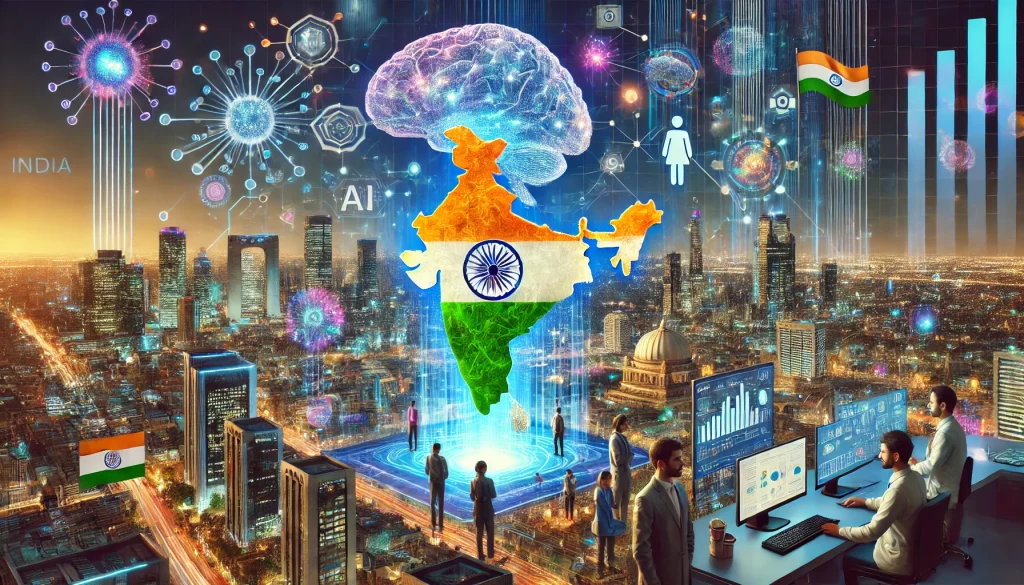
India, a nation poised on the cusp of technological ascendance, has embarked on an ambitious journey to establish its own “Sovereign AI” strategy. This vision, articulated by government officials and industry leaders, aims to not just participate in the global AI race, but to actively shape its trajectory, ensuring India’s technological independence and leveraging AI for national development and societal good.
The Genesis of Sovereign AI
The concept of “Sovereign AI” in India stems from a confluence of factors
- Geopolitical Shifts: The increasing dominance of a few global players in AI development and deployment has raised concerns about technological dependence and potential vulnerabilities.
- Data Sovereignty: Recognizing the critical role of data in AI development, India seeks to assert control over its own data resources, ensuring their ethical and responsible use.
- Economic Aspirations: India aims to leverage AI to drive economic growth, create high-skilled jobs, and address pressing societal challenges such as poverty, healthcare, and climate change.
- National Security: AI has significant implications for national security, from cybersecurity and defense to critical infrastructure protection. A robust domestic AI ecosystem is crucial for safeguarding national interests.
Key Pillars of India’s AI Sovereignty Vision
India’s pursuit of AI sovereignty is multifaceted and encompasses several key pillars
Research and Development
- Investing in AI Research: Significant investments are being made in AI research through initiatives like the National Program on AI, fostering cutting-edge research in areas such as machine learning, deep learning, and natural language processing.
- Building a Strong AI Talent Pool: India boasts a large pool of skilled IT professionals. The government is focused on nurturing AI talent through initiatives like promoting AI education in universities, fostering industry-academia collaborations, and attracting global AI talent to India.
Developing a Robust AI Infrastructure
- Building High-Performance Computing Infrastructure: Access to powerful computing resources is critical for AI development. India is investing in building high-performance computing facilities to support AI research and development.
- Developing AI-specific Hardware: Efforts are underway to develop indigenous AI chips and processors, reducing reliance on foreign technology.

Data Governance and Sovereignty
- Data Localization: Policies are being formulated to encourage data localization, ensuring that critical data is stored and processed within India.
- Data Access and Sharing: Establishing clear guidelines for data access and sharing, while ensuring data privacy and security, is crucial for fostering AI innovation.
Ethical AI Development
- Developing Ethical Guidelines: India is actively developing ethical guidelines for AI development and deployment, addressing issues such as bias, fairness, transparency, and accountability.
- Promoting Responsible AI: Efforts are underway to promote the responsible use of AI, ensuring that it is used for societal good and does not exacerbate existing inequalities.
Fostering an AI-Driven Ecosystem
- Supporting AI Startups: The government is actively supporting AI startups through initiatives like funding programs, incubation centers, and regulatory sandboxes.
- Encouraging Industry-Academia Collaboration: Fostering strong collaborations between academia, industry, and government is crucial for driving AI innovation and ensuring that research translates into real-world applications.
International Cooperation
- Engaging with Global AI Community: India is actively engaging with the global AI community, participating in international forums and collaborations to share knowledge and best practices.
- Building Global AI Partnerships: India is seeking to build strategic partnerships with other countries to advance AI research and development.
Challenges and Road Ahead
While India’s AI sovereignty vision is ambitious, several challenges remain:
- Competition: Competing with global AI giants like the US and China will require significant investment and sustained effort.
- Talent Acquisition and Retention: Attracting and retaining top AI talent will be crucial for success.
- Data Access and Quality: Ensuring access to high-quality data while maintaining data privacy and security is a critical challenge.
- Ethical Considerations: Navigating the ethical complexities of AI development and deployment requires careful consideration and ongoing dialogue.
Conclusion
India’s pursuit of AI sovereignty is a long-term endeavor that requires sustained effort and a multi-pronged approach. By investing in research and development, nurturing talent, and fostering a robust AI ecosystem, India can position itself as a global leader in AI, leveraging this transformative technology to drive economic growth, address societal challenges, and enhance national security.
To stay informed about the latest developments in India’s AI journey and the broader global AI landscape, subscribe to our newsletter. We will provide you with insights, analysis, and expert commentary on the evolving AI ecosystem.



Pingback: InVideo AI Explained: Turn Ideas into Viral Videos in Minutes - Newline Tech