
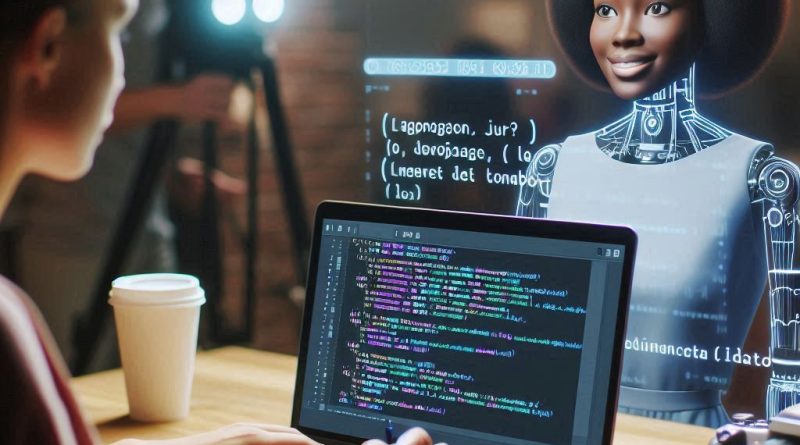
Synthesia is Creating Virtual Humans Who Might Just Take Your Job and Nail the Presentation
The Unexpected Star of the Quarterly Meeting
It started like any other quarterly meeting. The lights dimmed. The projector screen blinked awake. Everyone in the room settled in with their coffees and notebooks, expecting a familiar face to walk in and take center stage.
Instead, a polished figure appeared on the screen. A woman in a crisp blue blouse spoke with perfect diction. She smiled at the right moments. She made jokes that actually landed. Her delivery was flawless. Her cadence was timed to perfection. There were no stumbles, no filler words, no awkward pauses. She nailed the presentation.
When she finished, there was a beat of silence, followed by thunderous applause.
That presenter? She wasn’t real.
Her name was Ava, and she’s a virtual human created by Synthesia, an AI video generation company that is changing the future of business communication, training, marketing and perhaps even the job market itself.
Read More: Nigeria’s Tech Titans: The Top 10 Giants Shaping the Future
The Rise of Virtual Humans
Synthesia is at the forefront of a quiet revolution. While the world obsesses over humanoid robots and sci-fi androids, this London-based company has quietly built something far more practical and immediately impactful: AI avatars that can speak, move, emote, and present just like real humans.
With just a text input, users can create high-quality videos using these avatars. No need for cameras. No need for actors. No green screens or post-production headaches. You write the script, select your AI presenter, and within minutes, you have a professional-looking video presentation ready to be shared.
Why Businesses Are Lining Up
For years, companies have struggled to create engaging training content, onboarding videos, and global presentations. Hiring talent, renting equipment, booking studio time all of it eats up time and money.
Synthesia flips this model on its head. Imagine this:
- Your company has branches in ten countries.
- You need a consistent onboarding video in ten different languages.
- With Synthesia, you write the script once, hit a few buttons, and the same avatar delivers the message in ten languages with native-sounding pronunciation.
The implications are huge. Businesses save thousands of dollars and hundreds of hours. The message remains consistent. And the presentation? Spot on, every time.
The Human Touch—From a Machine
What makes Synthesia’s avatars so remarkable is their uncanny ability to feel human. Their facial expressions. The subtle movements of their hands. The warmth in their voice.
They do not just read your script. They perform it.
And unlike traditional AI voice-overs or text-to-speech tools, these avatars are visually engaging. They maintain eye contact. They smile. They react. You can almost forget that you’re watching code in action.
Job Threat or Creative Companion?
This is where things get interesting and maybe a little uncomfortable.
If an AI avatar can deliver a keynote better than your company’s VP of Sales, what does that mean for the VP?
If a virtual assistant can host a webinar in ten languages, do we still need a full content team to localize and re-record every version?
This isn’t some hypothetical future. It’s already happening.
Large enterprises are using Synthesia for internal communications, customer support training, and even public-facing ads. Startups are using it to create promotional videos on a shoestring budget. Educators are turning lectures into engaging video content with just a few clicks.
Some workers are adapting and collaborating with these virtual humans. Others are left wondering where they now fit in.
A New Skillset for a New Era
Rather than replacing human jobs outright, Synthesia might simply be reshaping them. In the past, you needed acting skills or camera presence to deliver a great video. Today, you need to write a killer script and know how to direct your AI avatar.
The power is shifting from performance to storytelling.
From delivery to design.
From speaking to scripting.
Those who learn to work with these tools will find themselves ahead of the curve. Those who don’t may find themselves watching their own role be replaced by someone who doesn’t need lunch breaks or vacation days.
Read More: AI in Brand Marketing: The Future of Smart and Personalized Advertising
Ethical Gray Zones and Deepfake Concerns
Of course, the rise of hyper-realistic avatars isn’t without its controversies.
What happens when someone creates a video of a politician saying something they never said?
What happens when deepfakes become indistinguishable from real humans?
Synthesia has guardrails in place. Users cannot create avatars of public figures without explicit permission. There are strict content moderation systems. But the tech is evolving fast, and so are the ethical questions.
Transparency will be key. So will education. People need to know when they’re watching AI and when they’re not.
The Future Is Already Speaking
The next time you sit in on a virtual meeting, attend an online training, or watch a product video, ask yourself: Is this real?
Because there’s a good chance it’s not.
There’s a good chance you’re watching an AI avatar. A virtual human. A creation of algorithms and data and digital performance.
And if you find yourself impressed, even inspired, you’re not alone.
This new generation of AI isn’t here to look like us. It’s here to communicate like us. To inform. To persuade. To inspire.
And yes maybe even to take your job.
But if you lean in, learn the tools, and embrace this new kind of creative storytelling, you might just find a more powerful role than ever before.
Because in a world of virtual humans, the real human who writes the story still holds the pen.


