
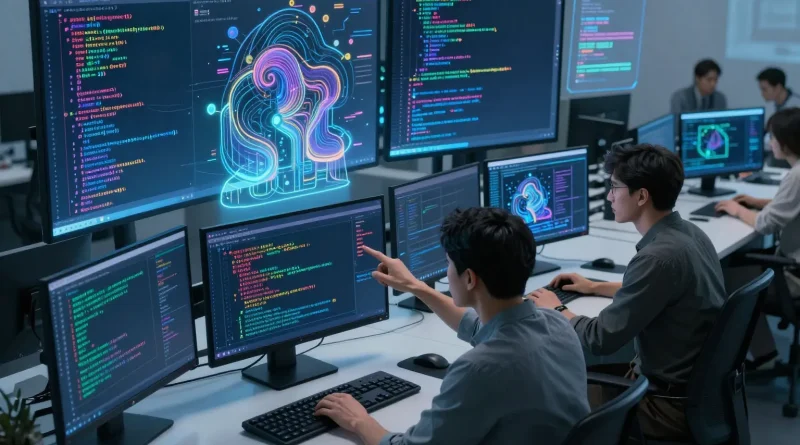
Microsoft Broadens Use of Anthropic’s Claude Code Across Its Engineering Teams
Introduction
Microsoft is deepening its use of AI inside software development workflows. This time, the company has expanded the deployment of Anthropic’s Claude Code across multiple engineering teams. The goal is simple but ambitious: help developers write, review, and maintain code faster without sacrificing quality.
As competition intensifies in enterprise software and cloud services, Microsoft is betting that AI-powered coding assistants will give its engineers a lasting productivity edge.
What Is Claude Code by Anthropic
Claude Code is an AI-powered coding assistant built on Anthropic’s Claude models. Unlike basic autocomplete tools, it focuses on understanding large codebases, explaining complex logic, and assisting with refactoring, debugging, and documentation.
Claude Code is designed to work alongside developers rather than replace them. It helps engineers reason through problems, catch errors earlier, and improve overall code clarity.
How Microsoft Is Using Claude Code
Microsoft is rolling out Claude Code across internal engineering teams working on major products. These include core platforms like Windows, collaboration tools such as Microsoft Teams, and cloud-based services.
Developers use Claude Code to review pull requests, generate test cases, explain legacy code, and suggest cleaner implementations. As a result, teams can ship features faster while maintaining internal coding standards.
Read More: Why Tech Giants Collapse: Common Mistakes That Kill Successful Companies
Key Benefits for Microsoft Engineers
| Area | Impact |
|---|---|
| Code Review | Faster detection of bugs and logic issues |
| Developer Productivity | Reduced time spent on repetitive coding tasks |
| Code Quality | Cleaner, more maintainable codebases |
| Knowledge Sharing | Easier onboarding for new engineers |
| Documentation | Automatic explanations for complex functions |
Because Microsoft manages massive and long-lived codebases, these improvements add up quickly across thousands of engineers.
Why Microsoft Chose Anthropic
Anthropic positions Claude as a safety-focused and enterprise-ready AI model. For Microsoft, this matters. Engineering teams need tools that respect internal security policies, handle sensitive code responsibly, and produce reliable outputs.
Claude Code’s strength in reasoning and long-context understanding also makes it suitable for complex products like operating systems and collaboration platforms.

Read More: Why So Many Dot-Com Startups Failed After Early Internet Hype
Impact on Products Like Windows and Teams
Large products such as Windows and Microsoft Teams evolve continuously. Engineers must work with legacy components while adding new features. Claude Code helps by explaining older code sections, suggesting safe updates, and reducing technical debt over time.
As a result, Microsoft can improve feature velocity while keeping systems stable and secure.
AI Coding Assistants and the Future of Software Development
Microsoft’s expanded use of Claude Code reflects a broader industry trend. AI is becoming a standard tool in modern software engineering. Instead of replacing developers, these tools act as intelligent collaborators.
As AI coding assistants mature, they will likely become deeply embedded in development environments, shaping how software is built across industries.
Read More: Nortel’s Crash: How a Telecom Giant Vanished From the Industry
Frequently Asked Questions
What is Claude Code used for at Microsoft?
It assists engineers with coding, code review, debugging, documentation, and refactoring.
Does Claude Code replace Microsoft developers?
No. It supports developers by automating repetitive tasks and improving reasoning during development.
Which Microsoft products benefit from Claude Code?
Engineering teams working on Windows, Microsoft Teams, and other internal platforms use the tool.
Why are AI coding tools important for large companies?
They help manage complex codebases, reduce errors, and improve development speed at scale.


Pingback: SoftBank and OpenAI Form Joint Venture to Accelerate Enterprise AI Solutions in Japan - Latest AI/Tech Info
Pingback: Stellantis and Mistral AI Expand Their Partnership to Scale AI Adoption Across Global Operations - Latest AI/Tech Info