
How Amazon Uses Advanced Logistics Technology to Power One of the World’s Fastest Delivery Networks
Introduction
Imagine ordering a product online and receiving it the same day. Just a decade ago, this level of speed felt impossible. Deliveries often took days or even weeks, especially across long distances.
Today, companies like Amazon have completely changed expectations. With a combination of smart logistics, automation, and data-driven systems, Amazon has built one of the fastest delivery networks in the world.
Behind every quick delivery is a complex system powered by cutting-edge technology. From warehouses to last-mile delivery, every step is optimized for speed and efficiency.
The Foundation of Amazon’s Logistics System
At the core of Amazon’s success is its logistics infrastructure. The company operates a vast network of fulfillment centers, sortation hubs, and delivery stations.
These facilities are strategically located to reduce shipping time. Products are stored closer to customers, which shortens delivery distances.
Amazon also uses predictive analytics to anticipate demand. By analyzing customer behavior, the company stocks items in locations where they are most likely to be ordered.
This proactive approach ensures that products are ready for immediate dispatch once an order is placed.
Key Technologies Behind Fast Delivery
Several technologies power Amazon’s delivery speed.
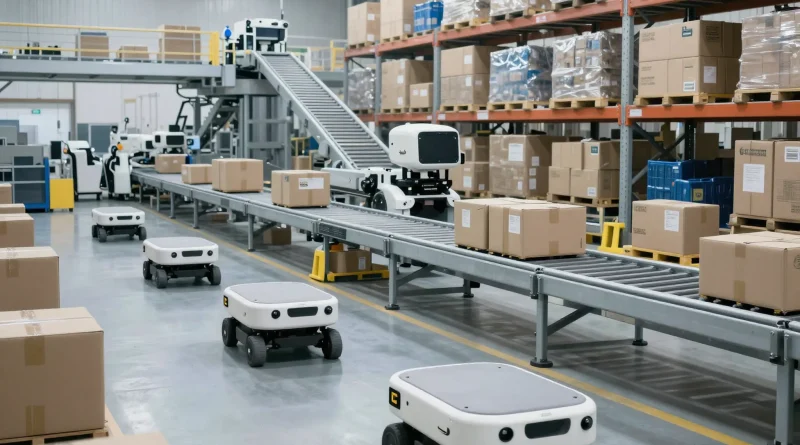
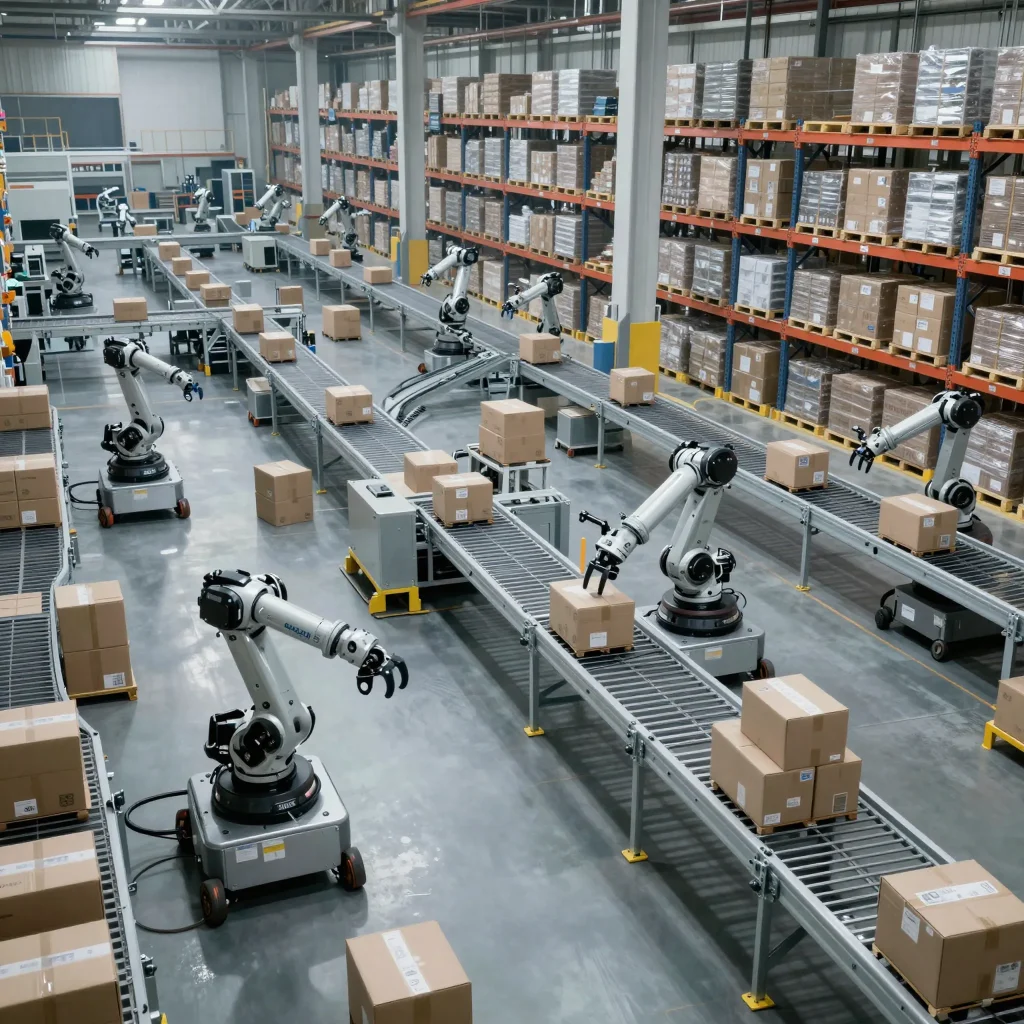
One major component is automation. Robots are used inside warehouses to move products quickly and accurately. These robots reduce human effort and speed up order processing.
Another key technology is route optimization. Advanced algorithms calculate the fastest delivery routes, taking into account traffic, weather, and distance.
Amazon also uses real-time tracking systems. Customers can monitor their orders from the warehouse to their doorstep.
Cloud computing plays a vital role as well. It supports massive data processing and coordination across the entire logistics network.
Read More: How Netflix Leveraged Data and Technology to Become a Global Streaming Giant
Table: Core Technologies in Amazon Logistics
| Technology | Function |
|---|---|
| Warehouse Robots | Speed up sorting and packaging |
| Route Optimization | Determines the fastest delivery paths |
| Predictive Analytics | Forecasts demand and stock placement |
| Real Time Tracking | Provides shipment visibility |
| Cloud Computing | Manages large-scale logistics data |
The Role of Last Mile Delivery
The last mile is often the most challenging part of delivery. It involves transporting packages from a local hub to the customer’s location.
Amazon has invested heavily in solving this challenge. The company uses a network of delivery drivers, independent contractors, and local partners to ensure fast drop-offs.
Innovations such as delivery lockers and pickup points also improve efficiency. Customers can choose convenient locations to receive their packages.
In some regions, Amazon is experimenting with drones and autonomous delivery vehicles. These technologies aim to reduce delivery time even further.
Read More: Why Nokia Dominated Mobile Phones Before the Smartphone Era
Real World Impact on Customers and Businesses
Amazon’s logistics technology has changed customer expectations worldwide. Fast delivery is no longer a luxury but a standard.
Customers enjoy convenience, reliability, and transparency. They can track orders and receive updates in real time.
For businesses, Amazon’s system provides opportunities to reach a global audience. Sellers can leverage Amazon’s infrastructure to deliver products efficiently.
However, this also increases competition. Companies must adopt similar technologies to meet rising expectations.
Future of Logistics Technology
The future of logistics is driven by innovation. Amazon continues to invest in new technologies to stay ahead.
Artificial intelligence will play a bigger role in predicting demand and optimizing operations.
Autonomous vehicles and drones may become more common, reducing delivery times and costs.
Sustainability is also becoming a priority. Electric delivery vehicles and eco-friendly packaging are part of Amazon’s long-term strategy.
As these technologies evolve, delivery networks will become faster, smarter, and more efficient.
Read More: Why AOL Failed to Survive the Modern Internet Era
Frequently Asked Questions
How does Amazon deliver packages so quickly?
Amazon uses advanced logistics technology, including automation, predictive analytics, and optimized delivery routes, to ensure fast shipping.
What is last-mile delivery?
Last-mile delivery refers to the final step of delivering a package from a local hub to the customer’s location. It is often the most complex part of the process.
Does Amazon use robots in warehouses?
Yes, Amazon uses robots to move products within warehouses. This speeds up sorting and packaging processes.
Will drones replace delivery drivers?
Drones may handle some deliveries in the future, especially for small packages. However, human drivers will still play a major role.
Conclusion
Amazon has built one of the fastest delivery networks in the world through advanced logistics technology.
From automated warehouses to optimized delivery routes, every part of the system is designed for speed and efficiency.
As technology continues to evolve, Amazon’s innovations will shape the future of global logistics. Businesses that adapt to these trends will be better positioned to compete in the fast-paced world of e-commerce.



Pingback: How SpaceX Is Revolutionizing Global Internet Access Through Starlink Satellite Technology - Latest AI/Tech Info
Pingback: A Deep Look Into Apple’s Highly Secretive Product Development Strategy - Latest AI/Tech Info